Acceptance Rate
63%
“Greenwich Village incubator for bold designers, performers, and social changemakers since 1919.”
New York, NY
Location
Large City
Campus Setting
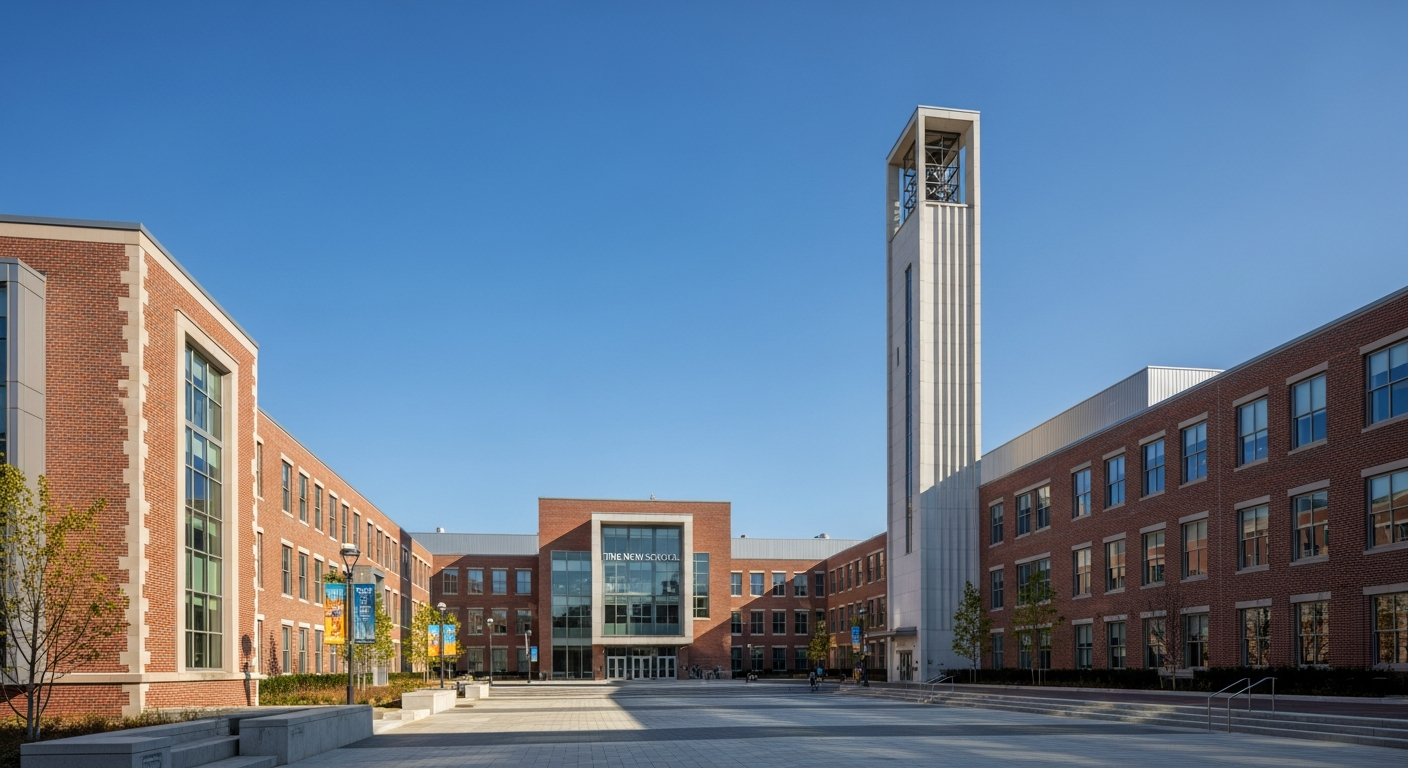
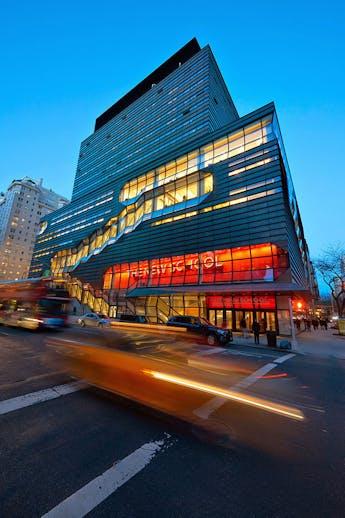
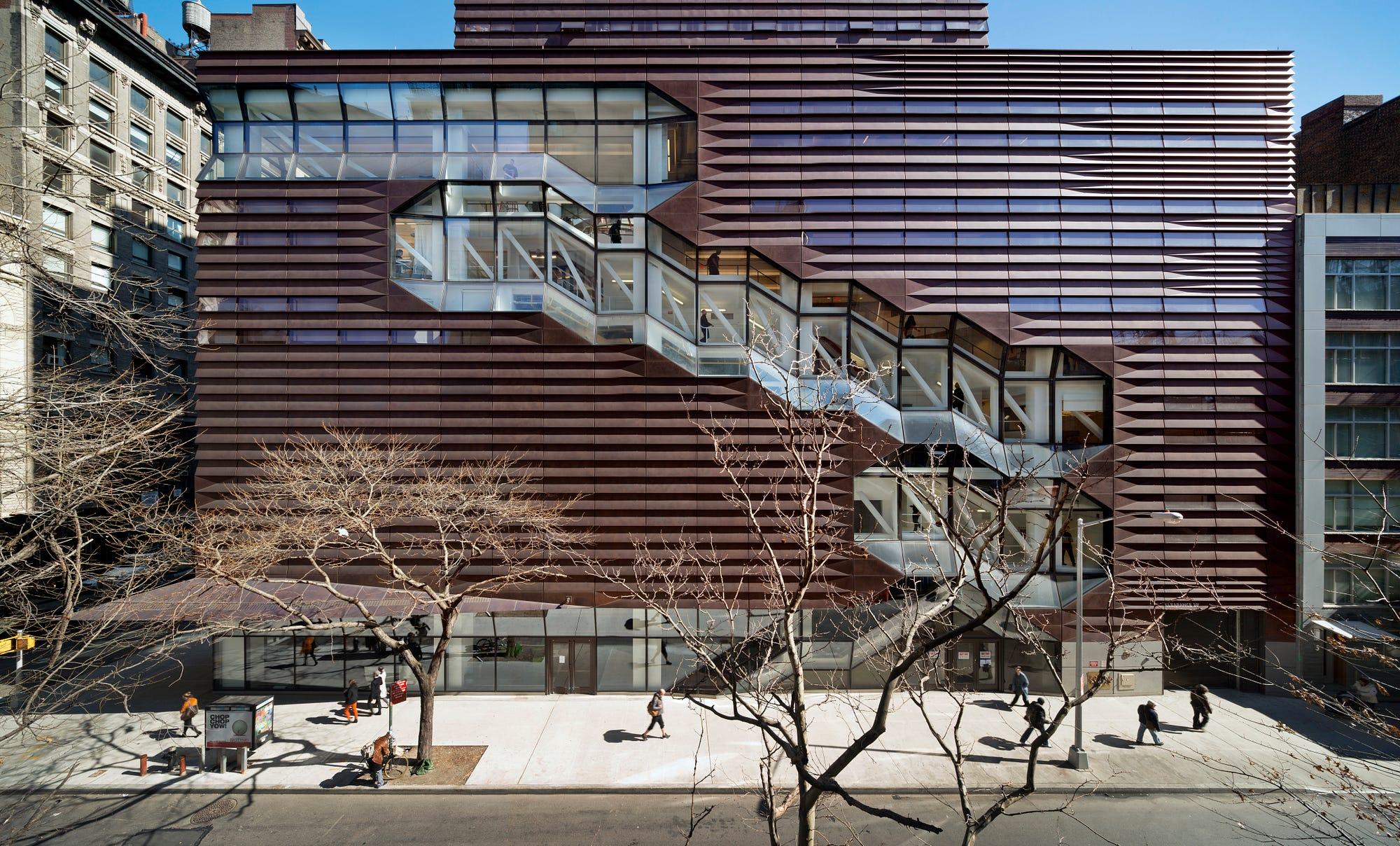
The New School emerged in 1919 when progressive thinkers like philosopher John Dewey and economist Thorstein Veblen broke away from academic conventions to create a space for open debate and adult education in Manhattan's Greenwich Village. Today it spans Parsons School of Design, Eugene Lang College of Liberal Arts, and schools focused on music, drama, and public engagement, drawing students who crave experimentation over tradition. Creative souls who thrive amid urban energy and interdisciplinary collaboration find their place here, while those seeking a leafy suburban campus or structured sports scene might feel adrift in its fragmented layout.
Photo Gallery
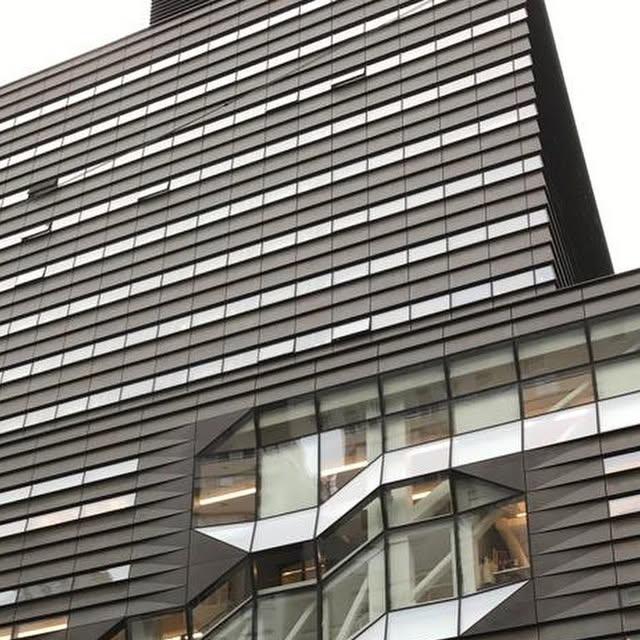
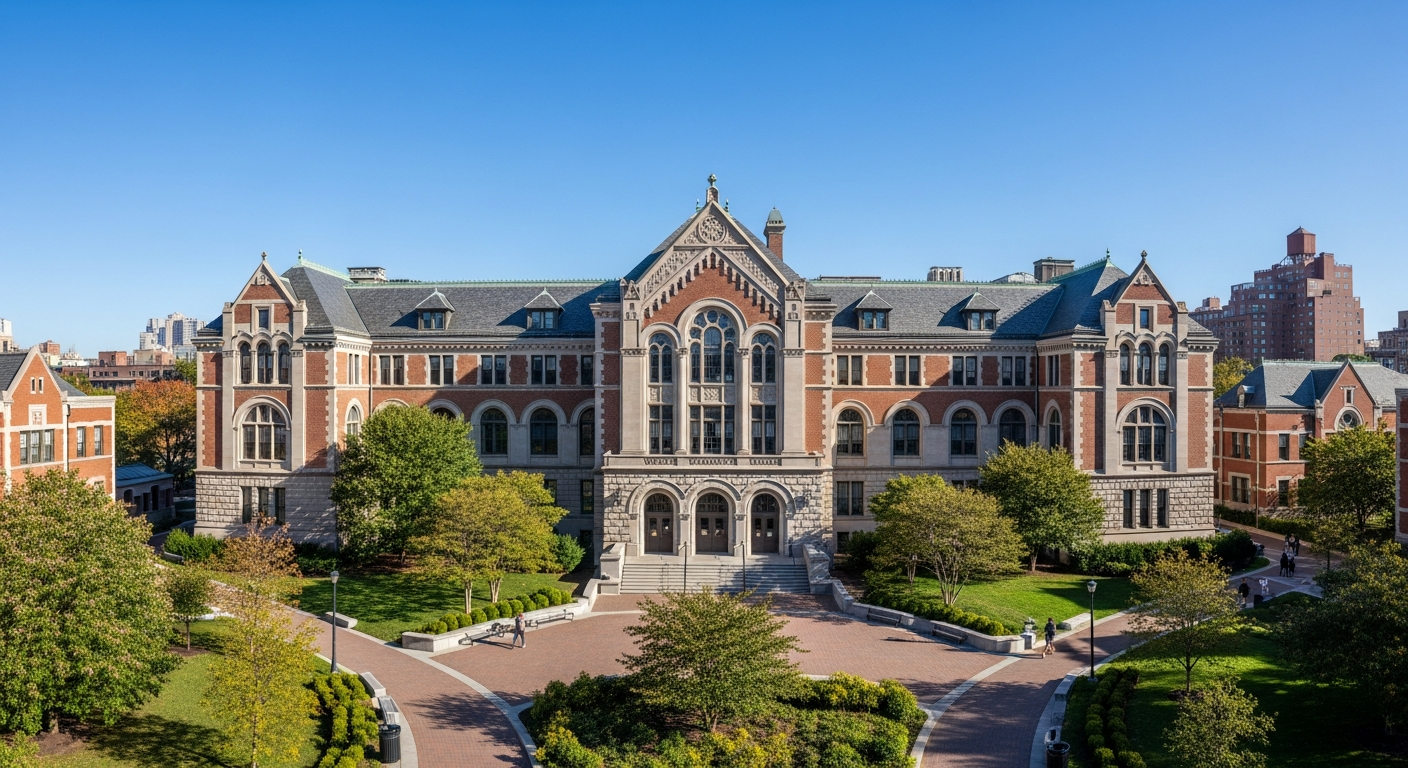
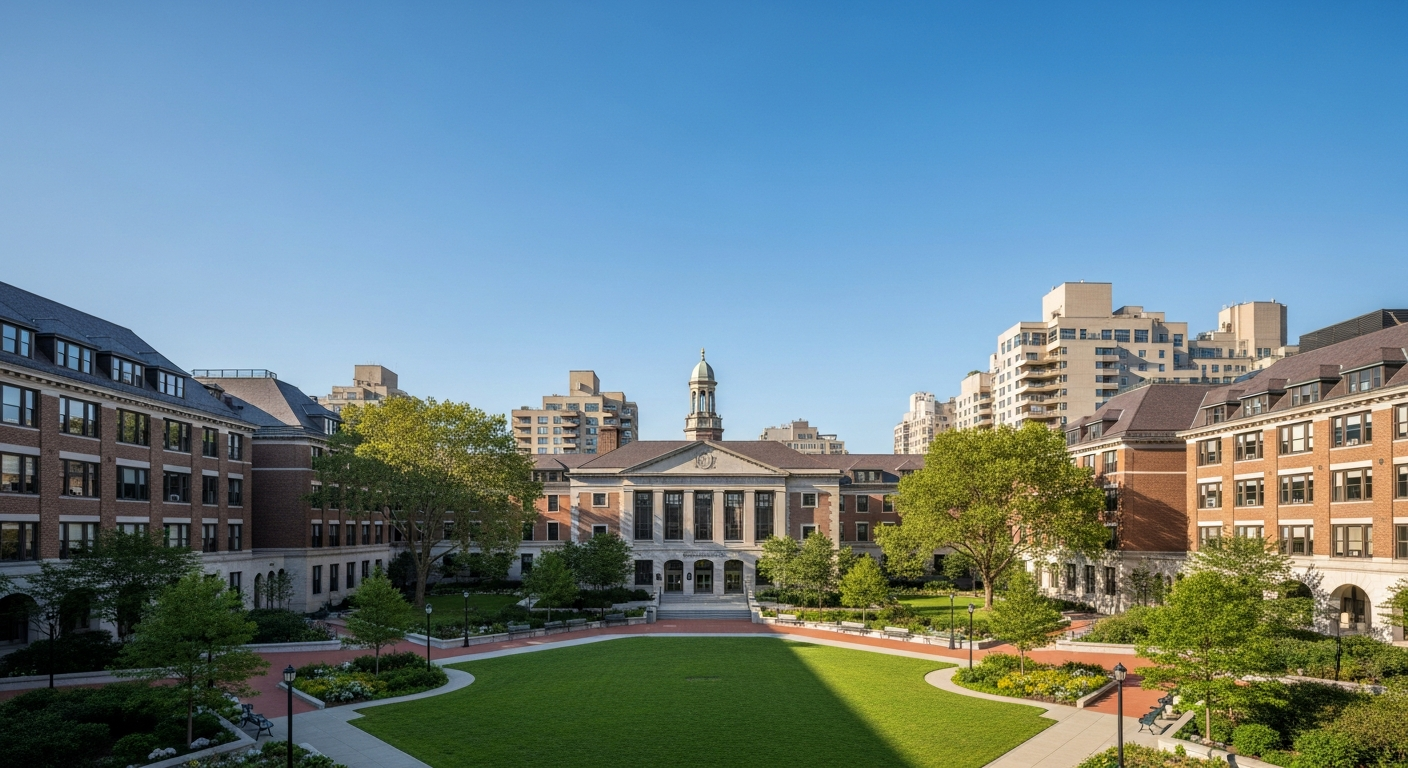
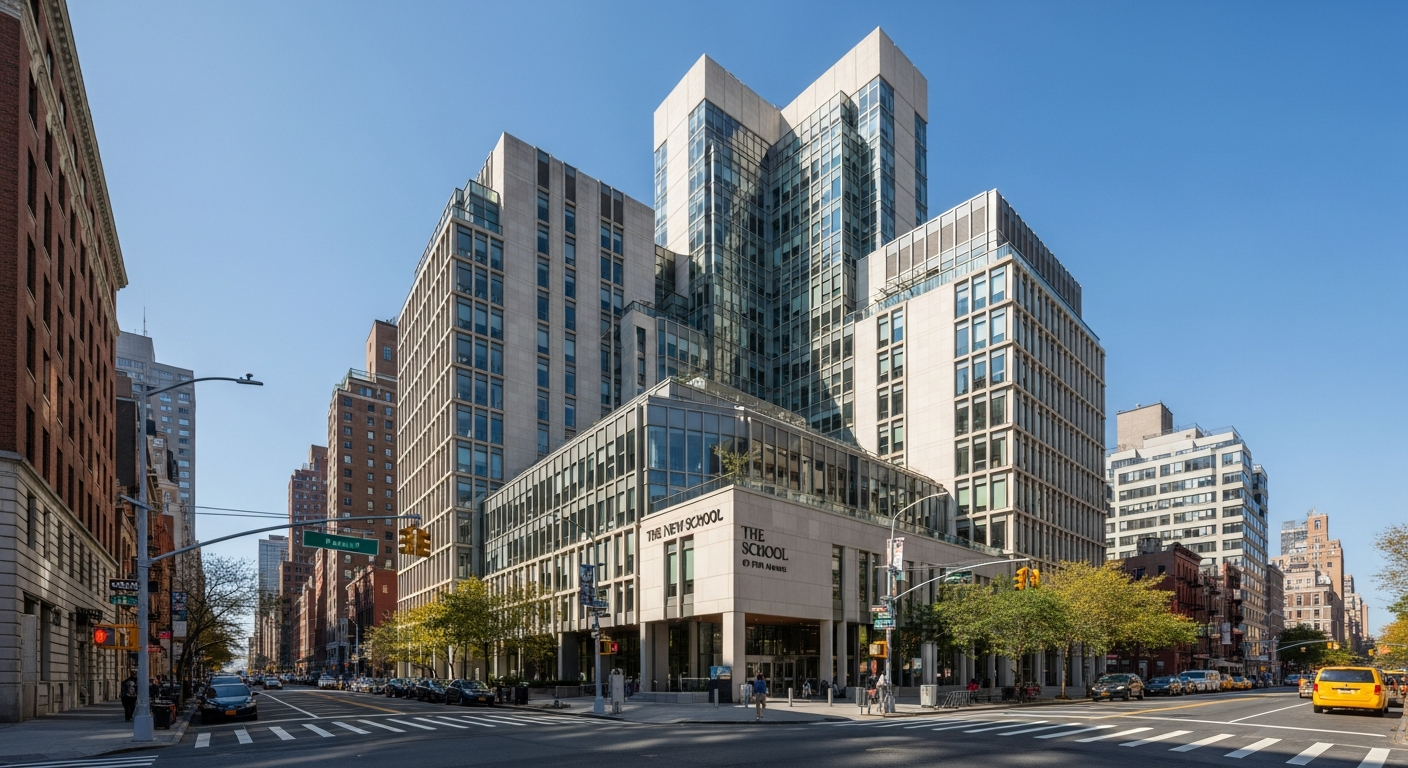
+12
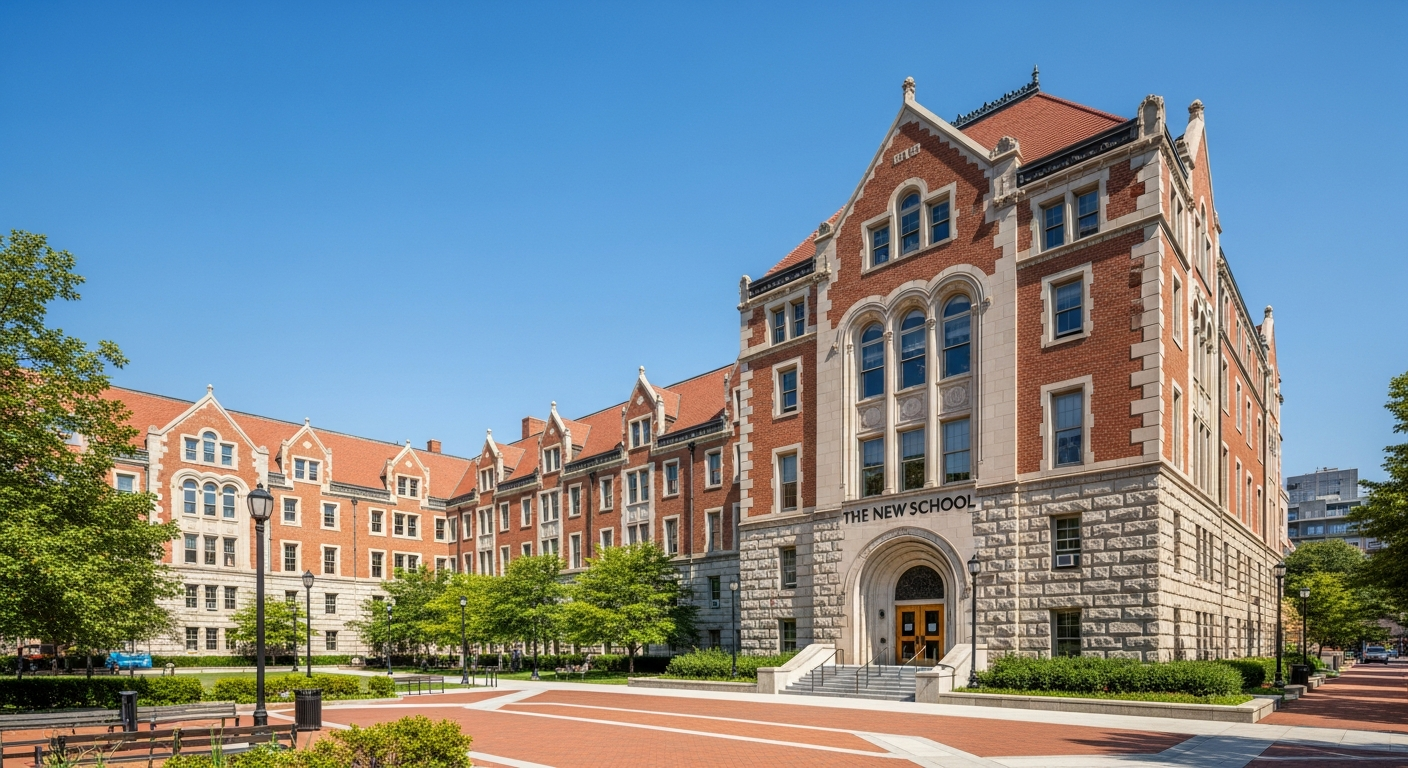

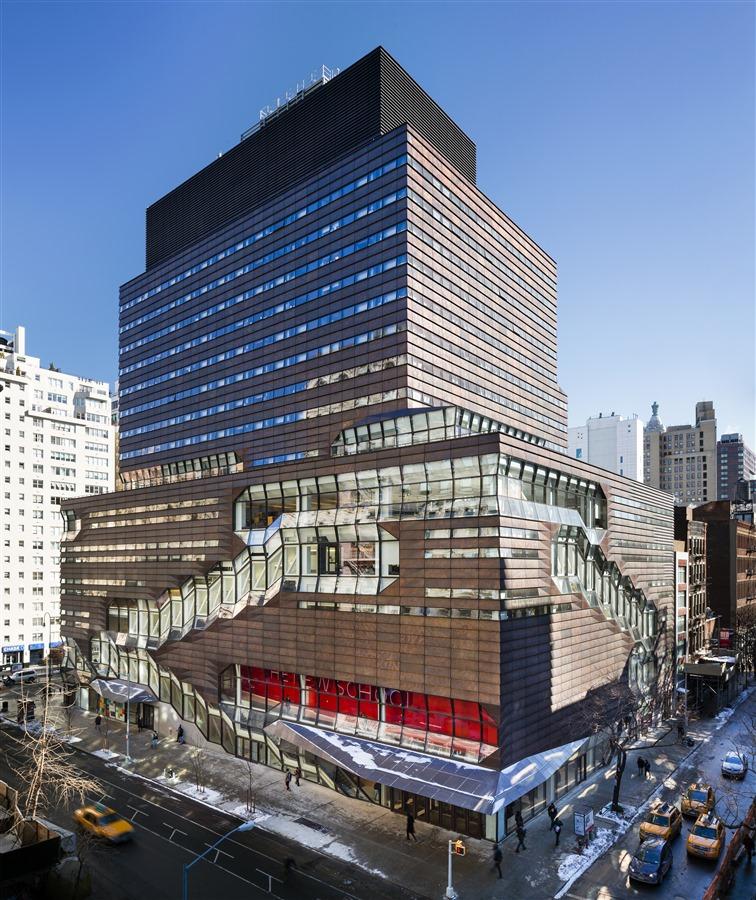
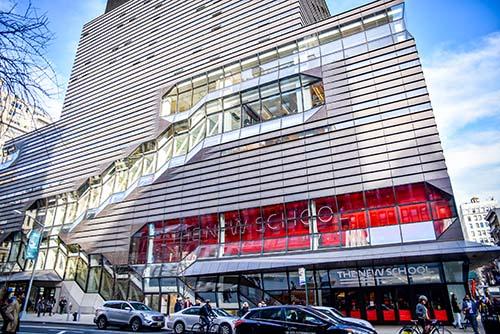
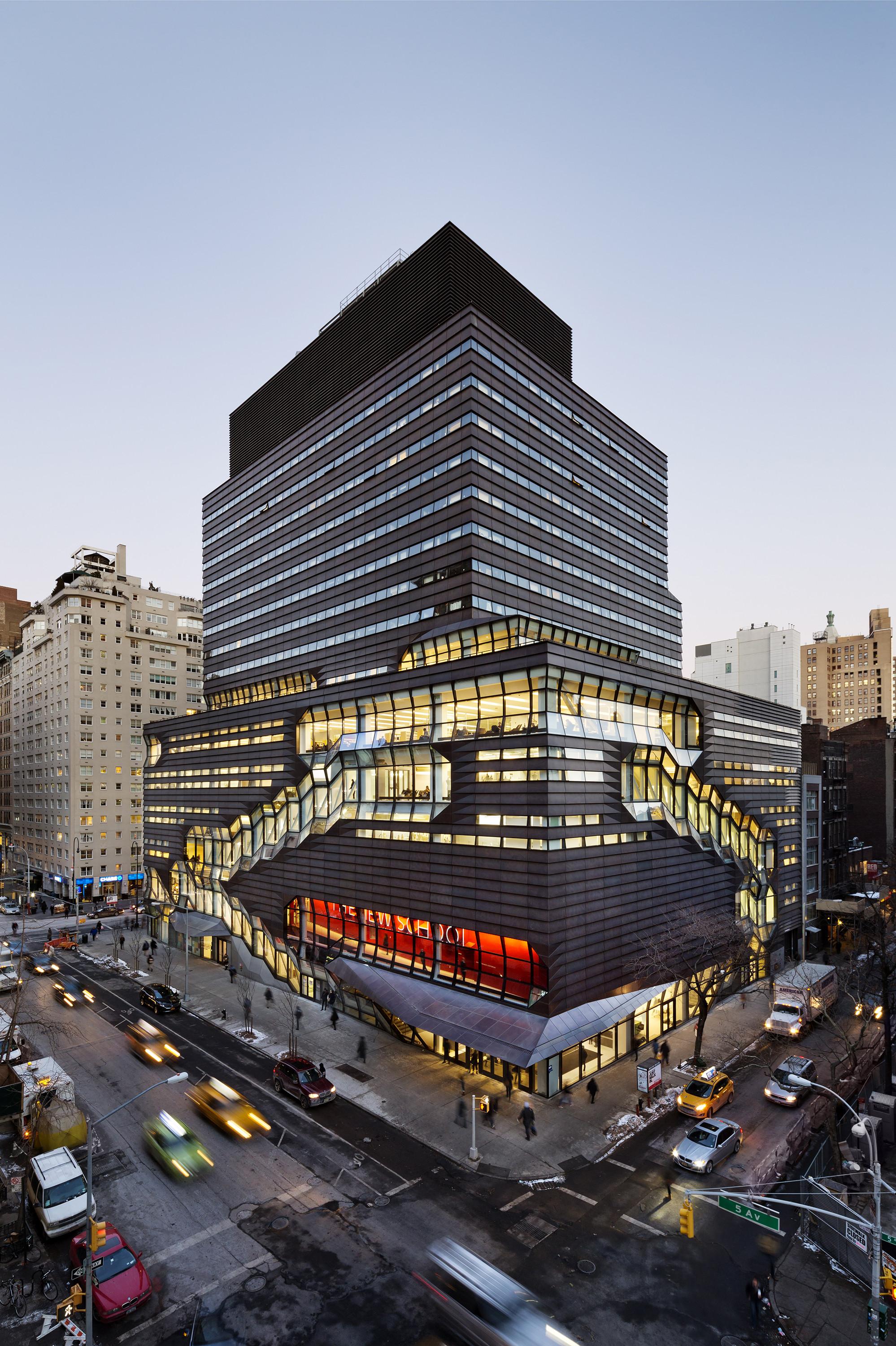
+4
Admissions
Acceptance Rate
Application Fee
Academics
Student-Faculty Ratio
Programs Offered
Full-Time Faculty
Women Faculty
Research Spending
Degree Levels Offered
Parsons leads with hands-on programs in fashion, product, and communication design, where you'll sketch prototypes in sunlit studios overlooking Washington Square and collaborate on real-world projects with industry pros. Eugene Lang College emphasizes seminars dissecting politics, media, and culture, fostering debates that spill into late-night Village cafes. Classes blend critique sessions and fieldwork, though popular design majors fill quickly and demand strong portfolios from day one, leaving some undergrads in oversized intro lectures before accessing core studios.
Student Body
Total Enrollment
6,591 undergrad • 2,477 grad
Undergraduate
Graduate
International
White
30%
Black / African American
4%
Hispanic / Latino
10%
Asian
10%
Other / Multi-racial
45%
Campus Life
Campus Setting
New York, NY
Varsity Athletics
A typical week mixes studio critiques, jazz improv at Mannes, and public lectures on activism, with evenings wandering Greenwich Village's indie bookstores and comedy clubs. Residential life clusters in high-rise dorms near Union Square, offering skyline views but pricey laundry and no central quad for casual hangs. The social pulse runs artistic and nocturnal, fueled by NYC's endless galleries and gigs, though the high cost of living demands budgeting for off-campus ramen runs.
Housing
On-Campus Housing
Housing Capacity
Meal Plan Available
Average Room & Board
Athletics
Athletic Association
NAIA
ROTC & Veteran Support
Veteran’s Programs Available
Yellow Ribbon Program (Post-9/11 GI Bill)
Yes
Credit for military training
Yes
Dedicated point of contact for veteran support services
Yes
Recognized student veteran organization
Yes
Member of DoD Voluntary Educational Partnership MOU
Yes
Cost & Aid
In-State Tuition
Out-of-State Tuition
Room & Board
Estimated Cost
Financial Aid
Students Receiving Aid
Receiving Pell Grants
Average Grant
Average Federal Loan
Net Annual Cost by Household Income
Household Income
Avg. Net Cost
$0 – $30K
$27,143
$30K – $48K
$37,137
$48K – $75K
$39,186
$75K – $110K
$40,923
$110K+
$39,453
Apply for Financial Aid
Complete the FAFSA to unlock grants, scholarships, and federal loans.
Costs shown are before financial aid. Most students receive some form of aid. Complete the FAFSA to see what you qualify for.
Outcomes & Earnings
Retention Rate
85%
4 Years Graduation Rate
62%
6 Years Graduation Rate
72%
Median 10-Year Earnings
$52,901
85% of first-time, full-time students complete their freshman year at The New School and return in the fall. 62% of first-time, full-time students graduate in 4 years, and 72% graduate within 6 years.
Graduation Rate
4-year grads
62%
4-5 years
10%
6-8 years
1%
Non-grad
27%
Let’s find your perfect tutor
Answer a few quick questions. We’ll recommend the right plan and match you with a top 5% tutor.
Key Statistics
Type
Private
Tuition
$53,105
Acceptance
63%
Undergrads
6,591
4-Year Grad Rate
62%
Endowment
$249M
New York, NY 10011
Explore More