Acceptance Rate
76%
Avg. SAT
1340
75th percentile
“Pace University blends New York City's electric energy with a practical, career-driven education right in the heart of Manhattan.”
New York, NY
Location
Large City
Campus Setting
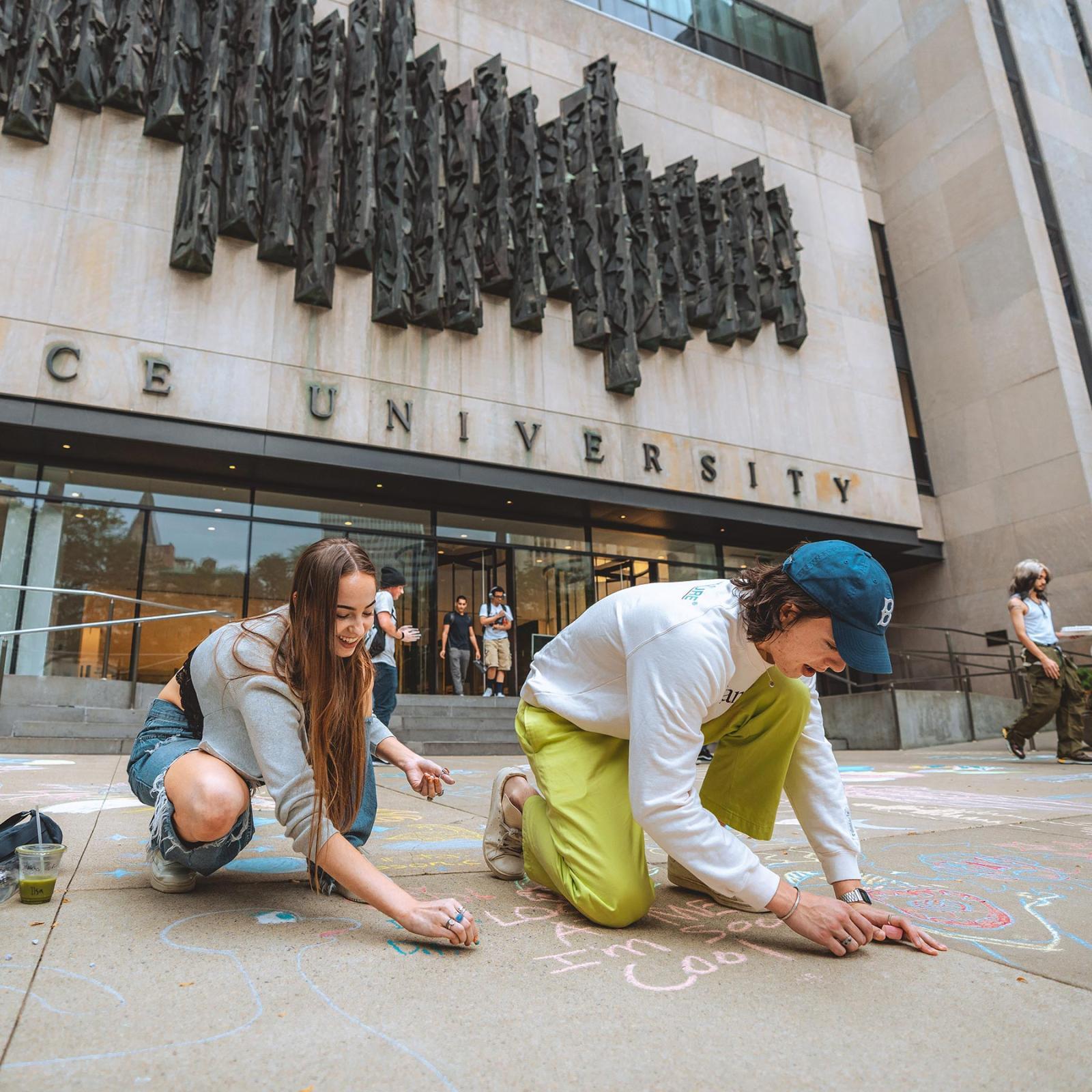
Nestled in the bustling Financial District of Lower Manhattan, Pace University has been shaping determined, hands-on learners since its founding in 1906 by brothers Homer and Charles Pace. Originally established as a business school to train accountants and bookkeepers, it has evolved into a comprehensive university with a gritty, urban edge, reflecting the relentless ambition of New York City itself. Pace draws students who are eager to dive into real-world experiences, often balancing internships or part-time jobs while studying, and who see the city as an extension of their campus.
The kind of student who thrives here is pragmatic, adaptable, and comfortable with a fast-paced environment—someone who’s ready to network on day one and isn’t fazed by the hustle of city life. You’ll find a diverse mix of dreamers and doers, many of whom are first-generation college students or come from working-class backgrounds, all chasing tangible career goals. However, if you’re looking for a traditional, secluded campus with sprawling lawns and a tight-knit bubble, Pace might feel disjointed—its urban setting means no defined campus borders, and student life can sometimes blend into the chaos of NYC.
Living and learning in Manhattan offers unparalleled access to cultural landmarks, corporate headquarters, and artistic hubs, but it comes with tradeoffs. The cost of living is high, even with on-campus housing, and navigating the city’s noise, crowds, and pace can be draining if you’re not used to urban intensity. Still, for those who feed off New York’s energy, Pace is a launchpad unlike any other, embedding you in a city that never slows down.
Photo Gallery
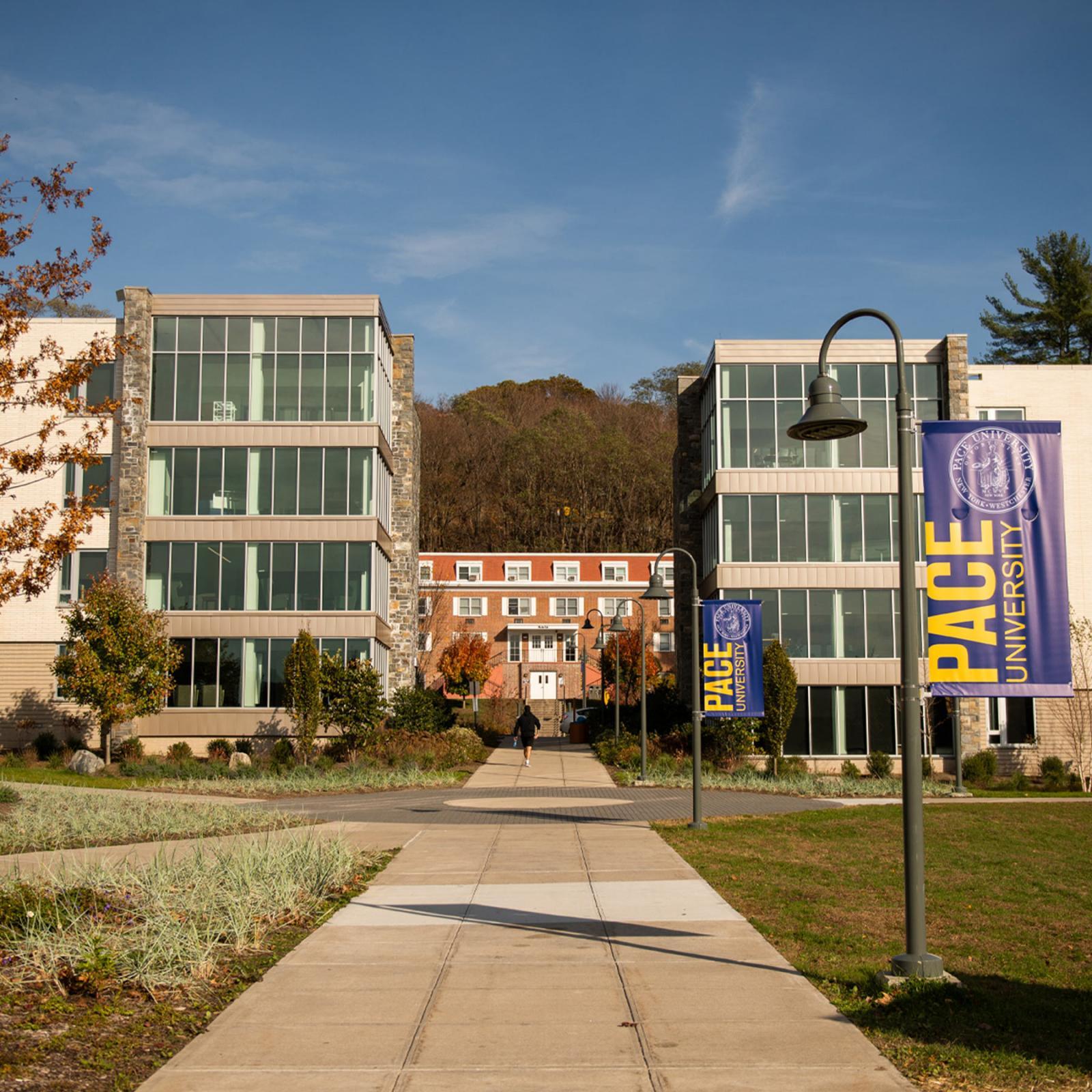
+10
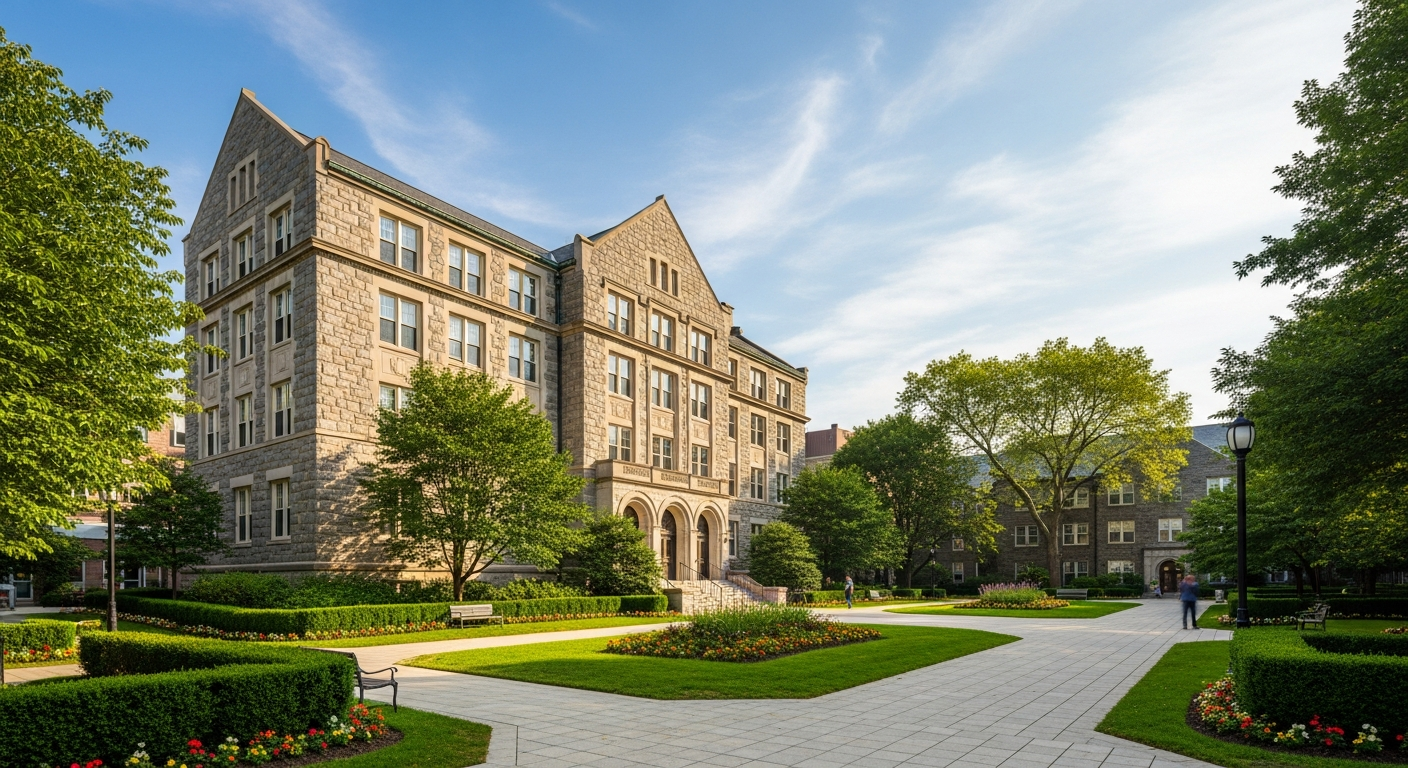



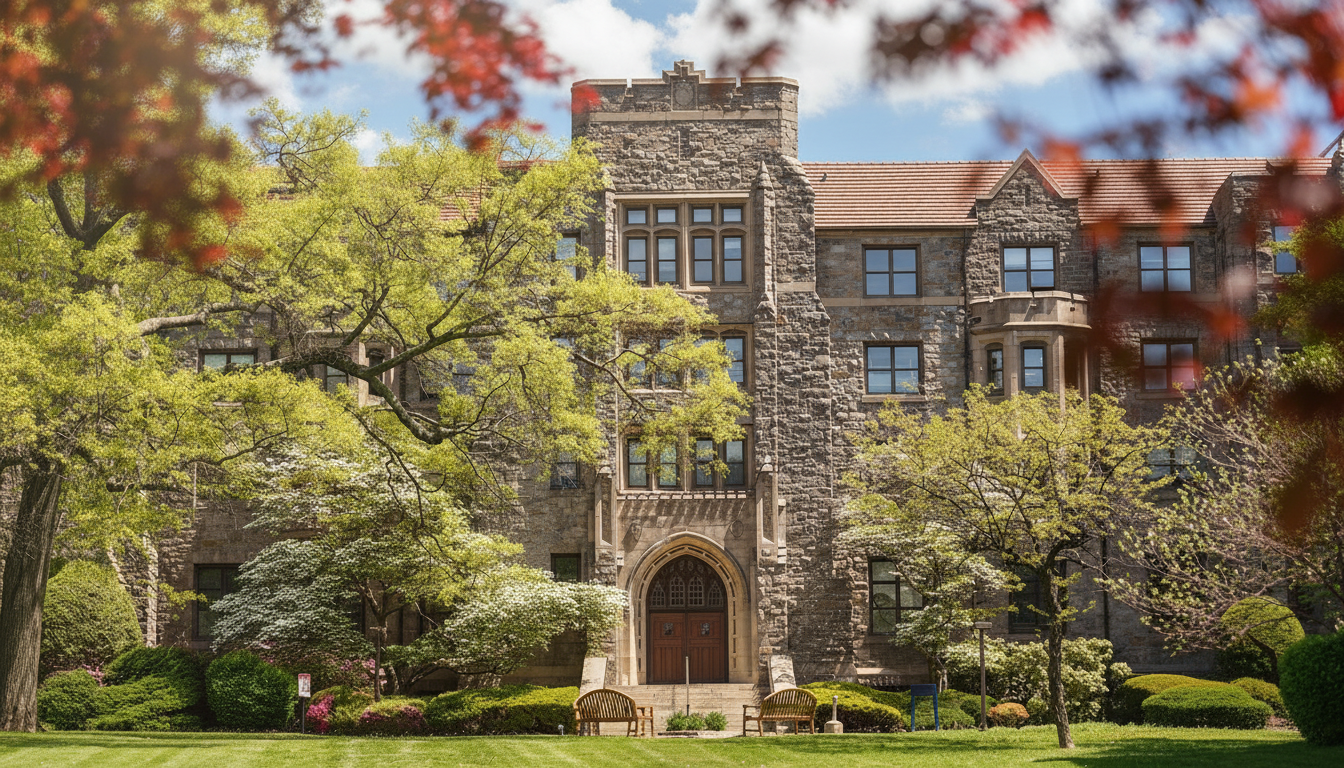


+2
Admissions
Acceptance Rate
Average GPA
Application Fee
Academics
Student-Faculty Ratio
Programs Offered
Full-Time Faculty
Women Faculty
Research Spending
Available Online
Degree Levels Offered
Pace University stands out for its career-focused approach, with strong programs in business, performing arts, and nursing that prioritize practical skills over abstract theory. The Lubin School of Business, rooted in the university’s founding mission, connects students directly with Wall Street firms through internships and alumni networks, while the Dyson College of Arts and Sciences offers a renowned acting program with real stage opportunities in the city. You can expect a mix of classroom learning and experiential projects—think business simulations or auditions for off-Broadway shows—designed to build your resume as much as your knowledge.
Classes often lean toward smaller, interactive settings in upper-level courses, though introductory lectures can feel crowded and less personal, especially in popular majors like finance or marketing. Research opportunities exist, particularly in fields like environmental studies or psychology, but they’re not the core focus—Pace is more about getting you job-ready than preparing you for a PhD. If you’re seeking a deeply theoretical or research-heavy education, or if you struggle without individualized attention from day one, you might find the pragmatic vibe and larger intro classes a bit of a mismatch.
Student Body
Total Enrollment
8,038 undergrad • 5,596 grad
Undergraduate
Graduate
International
White
38%
Black / African American
10%
Hispanic / Latino
17%
Asian
7%
Other / Multi-racial
28%
Campus Life
Campus Setting
New York, NY
Varsity Athletics
NCAA Athletics
Campus life at Pace University is shaped by its urban setting—there’s no central quad or classic college town feel, but you’ll find a vibrant, if fragmented, social scene woven into the fabric of New York City. Students often gather in dorm common areas or at events hosted by over 100 student organizations, ranging from cultural clubs to pre-professional groups, and many bond over late-night study sessions at local diners or coffee shops. Traditions like the annual Spirit Night, where students rally with performances and games, help create a sense of community despite the sprawling city backdrop.
Living on campus, mostly in residence halls near the Financial District, offers convenience, but space is tight, and not everyone is guaranteed housing after their first year, pushing some to navigate the pricey NYC rental market. The social pace mirrors the city—fast, eclectic, and sometimes impersonal—so making close friends can take extra effort if you’re not outgoing. Add in the challenges of cold winters trudging through slushy streets or sweltering summer commutes, and it’s clear Pace suits those who can roll with the unpredictability of urban life.
Housing
On-Campus Housing
Housing Capacity
Meal Plan Available
Average Room & Board
Athletics
Athletic Association
Northeast 10 Conference
ROTC & Veteran Support
Army
Yes
Navy
No
Air Force
No
Veteran’s Programs Available
Yellow Ribbon Program (Post-9/11 GI Bill)
Yes
Credit for military training
Yes
Dedicated point of contact for veteran support services
Yes
Recognized student veteran organization
Yes
Member of DoD Voluntary Educational Partnership MOU
Yes
Cost & Aid
In-State Tuition
Out-of-State Tuition
Room & Board
Estimated Cost
Financial Aid
Students Receiving Aid
Receiving Pell Grants
Average Grant
Average Federal Loan
Net Annual Cost by Household Income
Household Income
Avg. Net Cost
$0 – $30K
$24,483
$30K – $48K
$24,289
$48K – $75K
$26,874
$75K – $110K
$28,731
$110K+
$31,680
Apply for Financial Aid
Complete the FAFSA to unlock grants, scholarships, and federal loans.
Costs shown are before financial aid. Most students receive some form of aid. Complete the FAFSA to see what you qualify for.
Outcomes & Earnings
Retention Rate
75%
4 Years Graduation Rate
52%
6 Years Graduation Rate
63%
Median 10-Year Earnings
$70,378
75% of first-time, full-time students complete their freshman year at Pace University and return in the fall. 52% of first-time, full-time students graduate in 4 years, and 63% graduate within 6 years.
Graduation Rate
4-year grads
52%
4-6 years
11%
Non-grad
37%
Let’s find your perfect tutor
Answer a few quick questions. We’ll recommend the right plan and match you with a top 5% tutor.
Key Statistics
Type
Private
Tuition
$48,152
Acceptance
76%
Undergrads
8,038
4-Year Grad Rate
52%
Endowment
$269M
New York, NY 10038-1598
Explore More