Acceptance Rate
96%
Avg. SAT
1150
75th percentile
“Marshall University blends small-town charm with a spirited community in the heart of West Virginia's Appalachian foothills.”
Huntington, WV
Location
Small City
Campus Setting
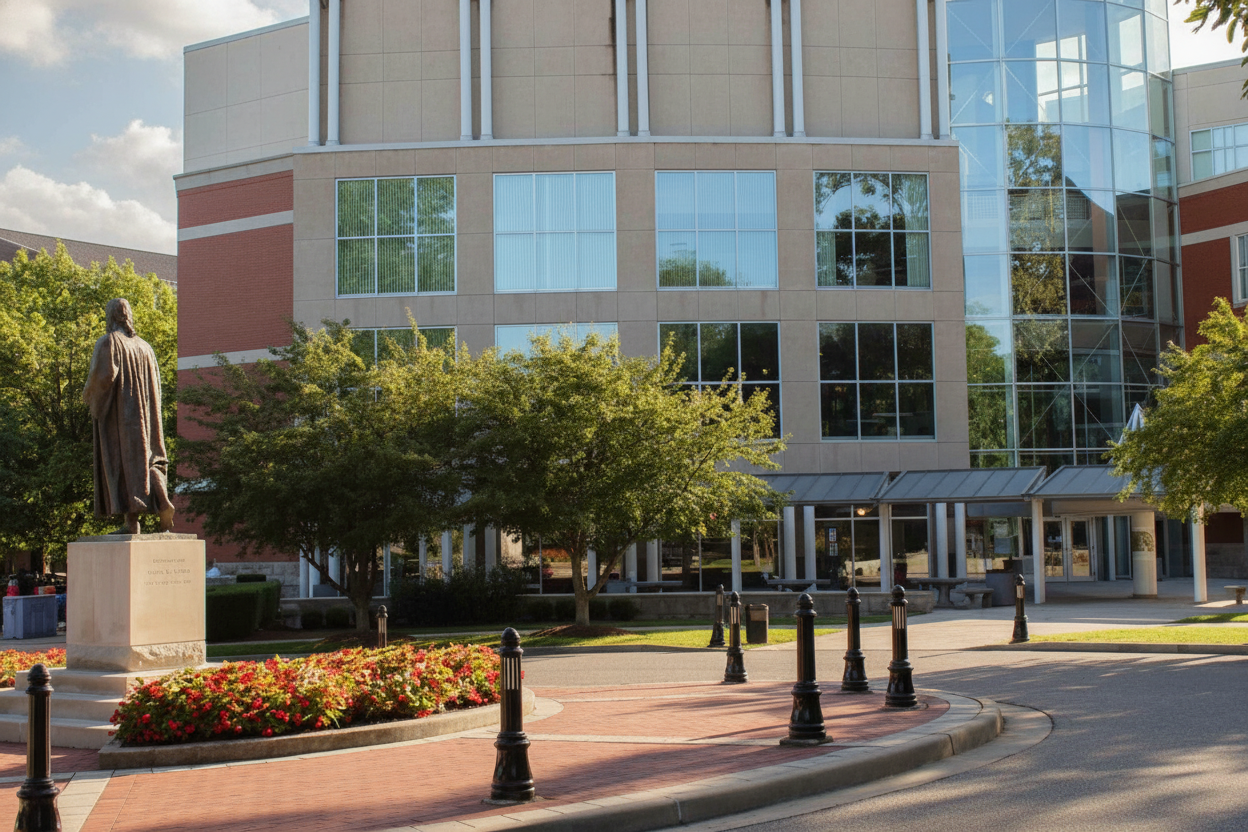
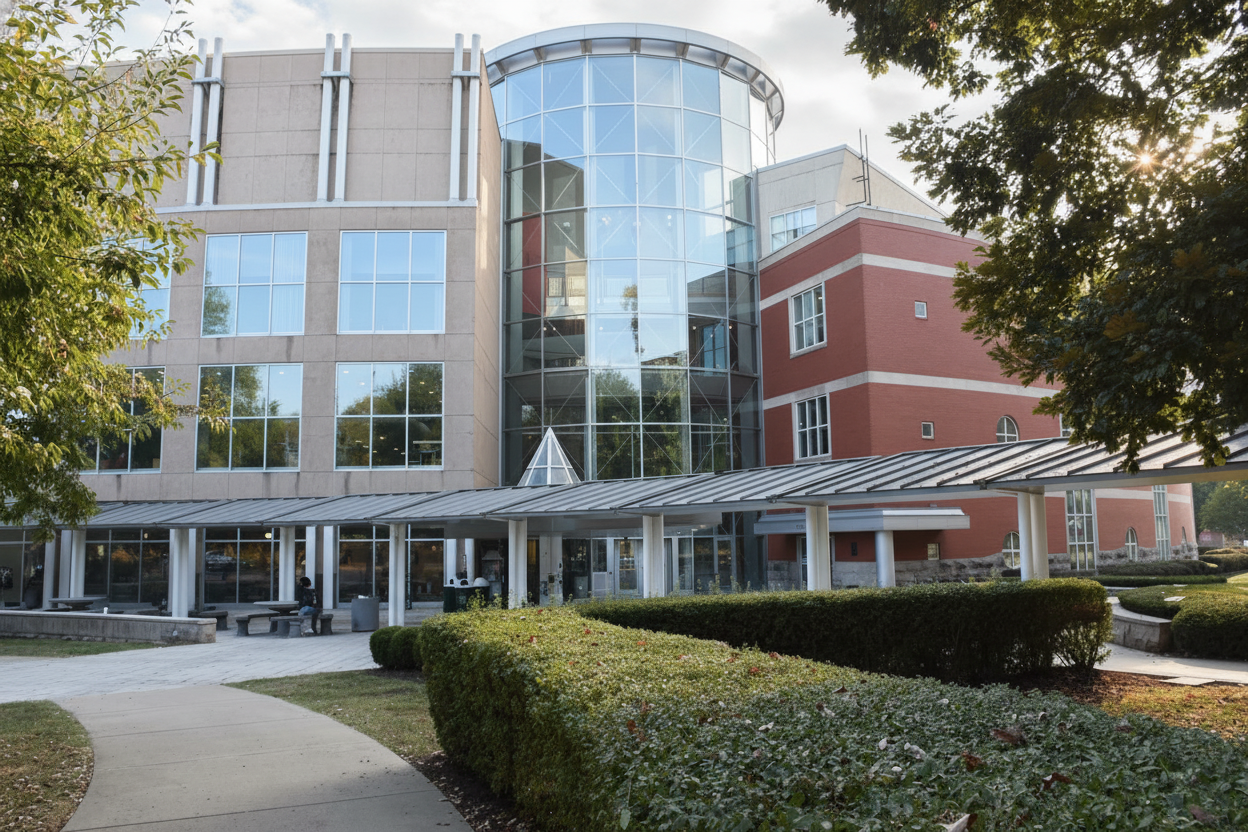
Nestled in Huntington, West Virginia, Marshall University emerged in 1837 as a small academy named after Chief Justice John Marshall, evolving into a public university with a deep-rooted commitment to accessible education. Its history is marked by resilience, especially after the tragic 1970 plane crash that claimed the lives of much of the football team, an event that still shapes the campus's sense of unity and perseverance. Today, with around 9,000 undergraduates, Marshall maintains a close-knit feel while serving as a vital hub for the region, drawing students from across the state and beyond.
If you're someone who values personal connections and a supportive environment, you'll likely find a home here. Marshall attracts students who appreciate a slower pace, often from rural or small-town backgrounds, and those eager to engage with faculty and peers on a first-name basis. However, if you’re seeking the hustle of a big city or a highly competitive academic atmosphere, the laid-back vibe and limited urban amenities of Huntington might feel constraining.
Huntington itself, with a population of about 46,000, offers a quiet, affordable backdrop along the Ohio River, surrounded by rolling Appalachian hills. It's a place where local diners and riverside walks define off-campus life, though entertainment options are modest, and students often need a car to explore beyond the immediate area. The tradeoff is clear: you gain a tight community and lower cost of living, but sacrifice the cultural buzz of a larger metro area.
Photo Gallery
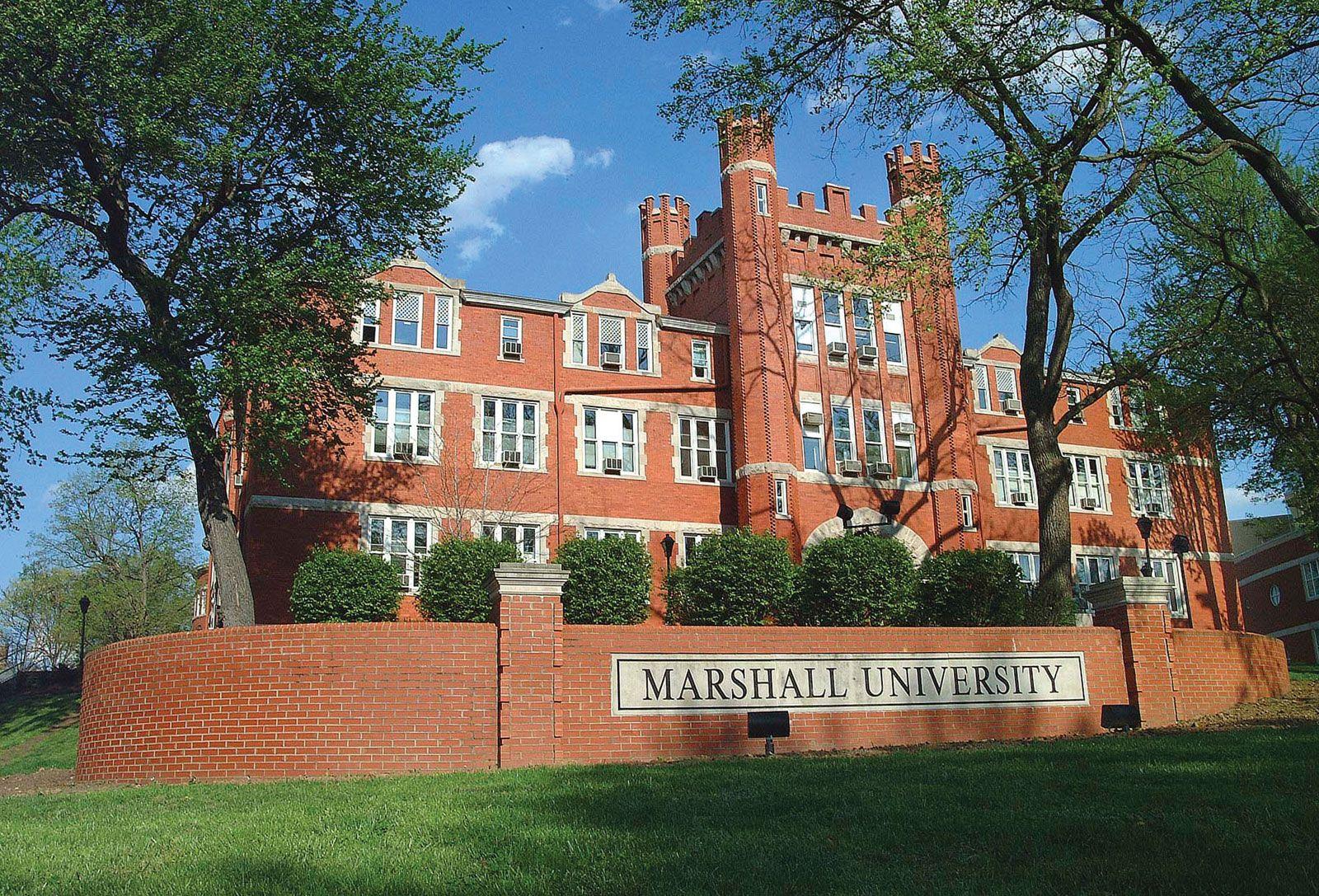
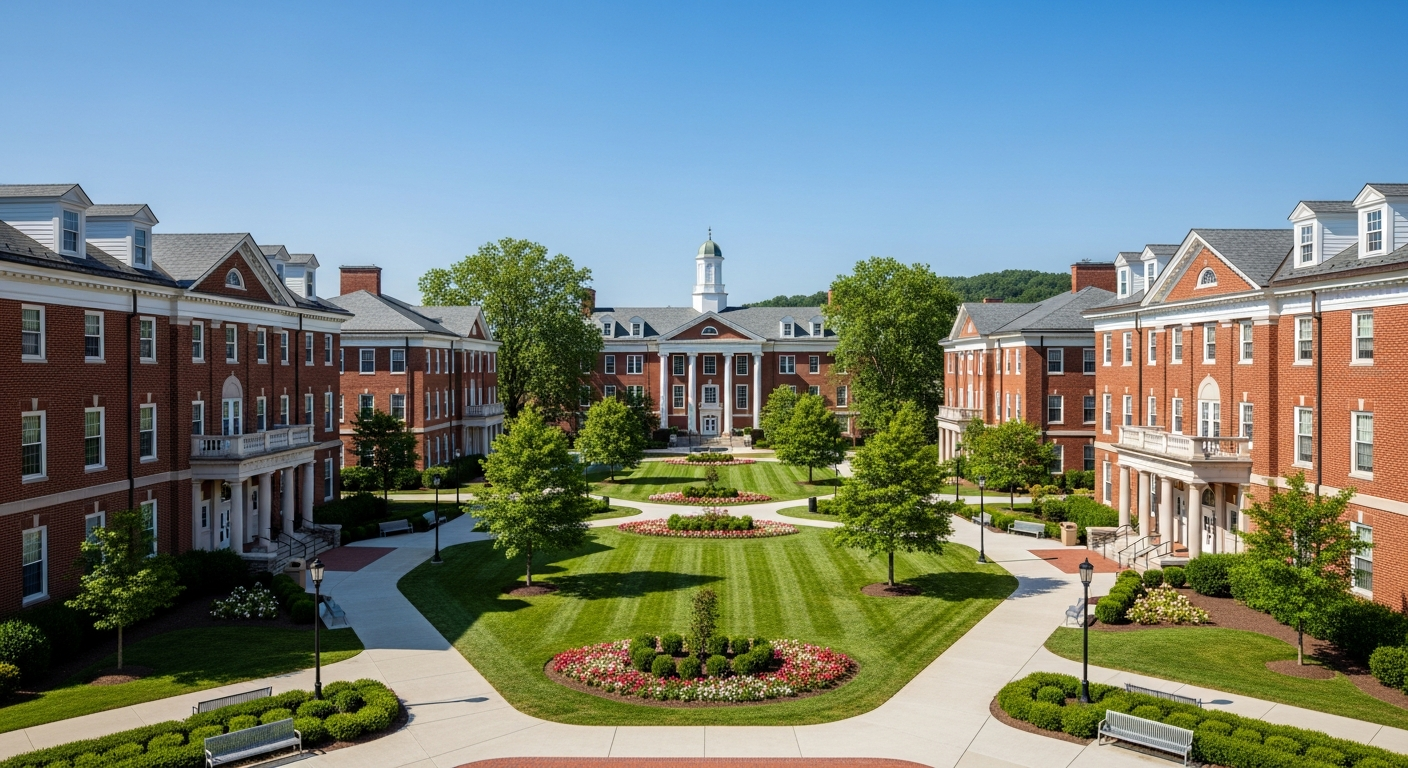
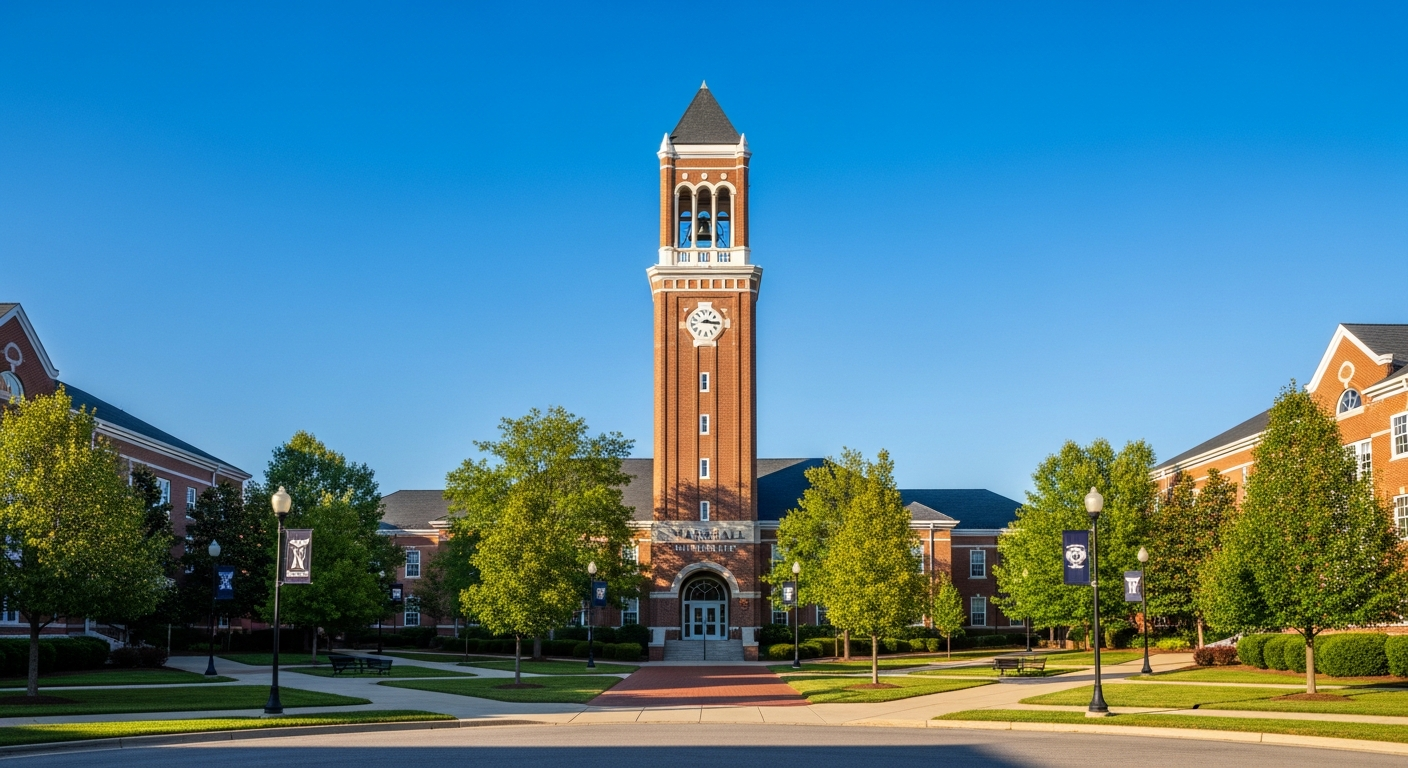


+14
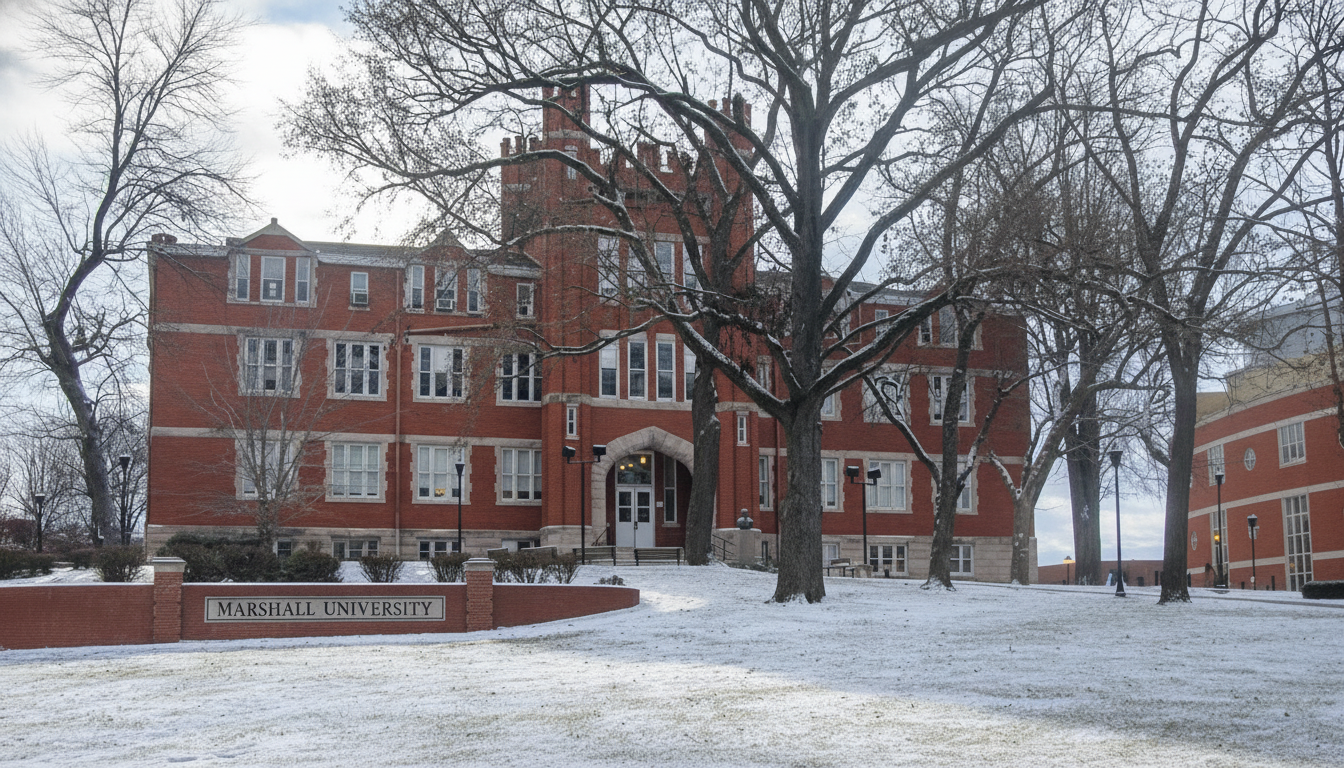
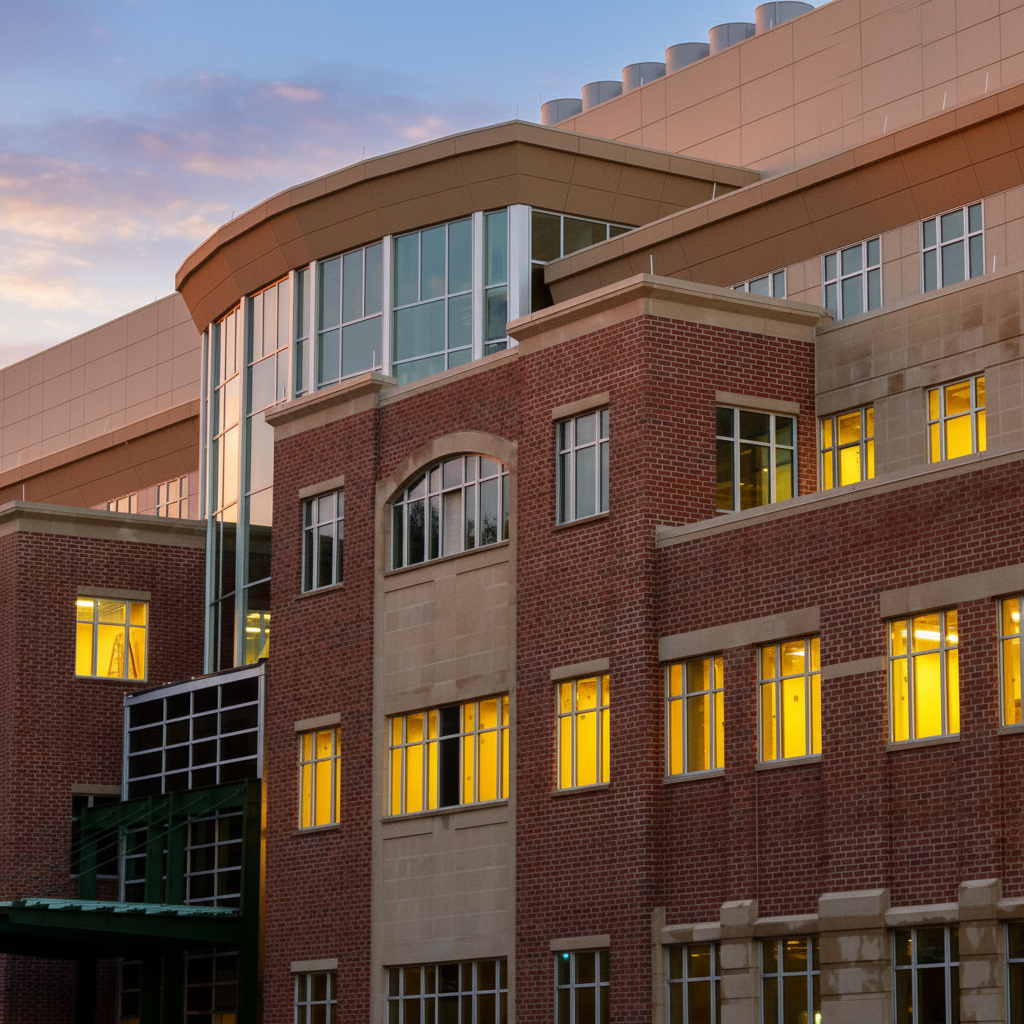
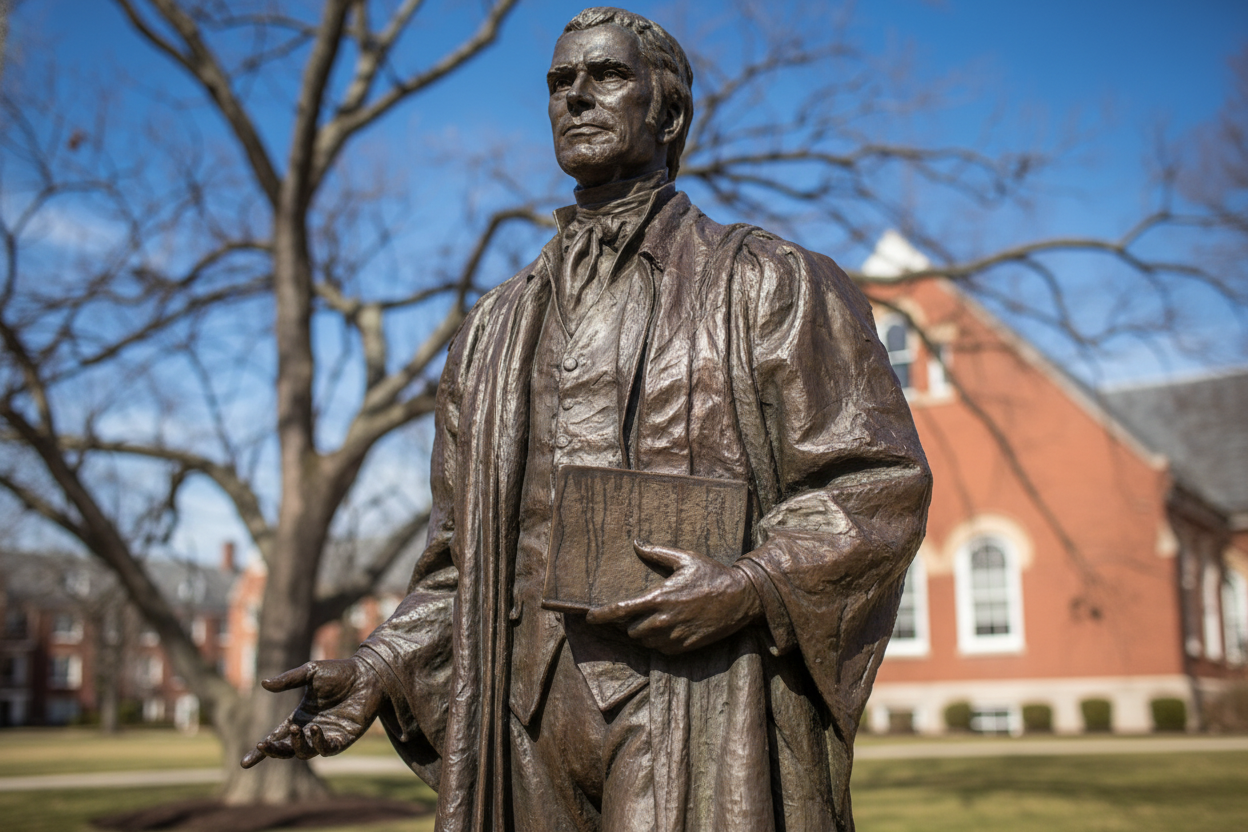
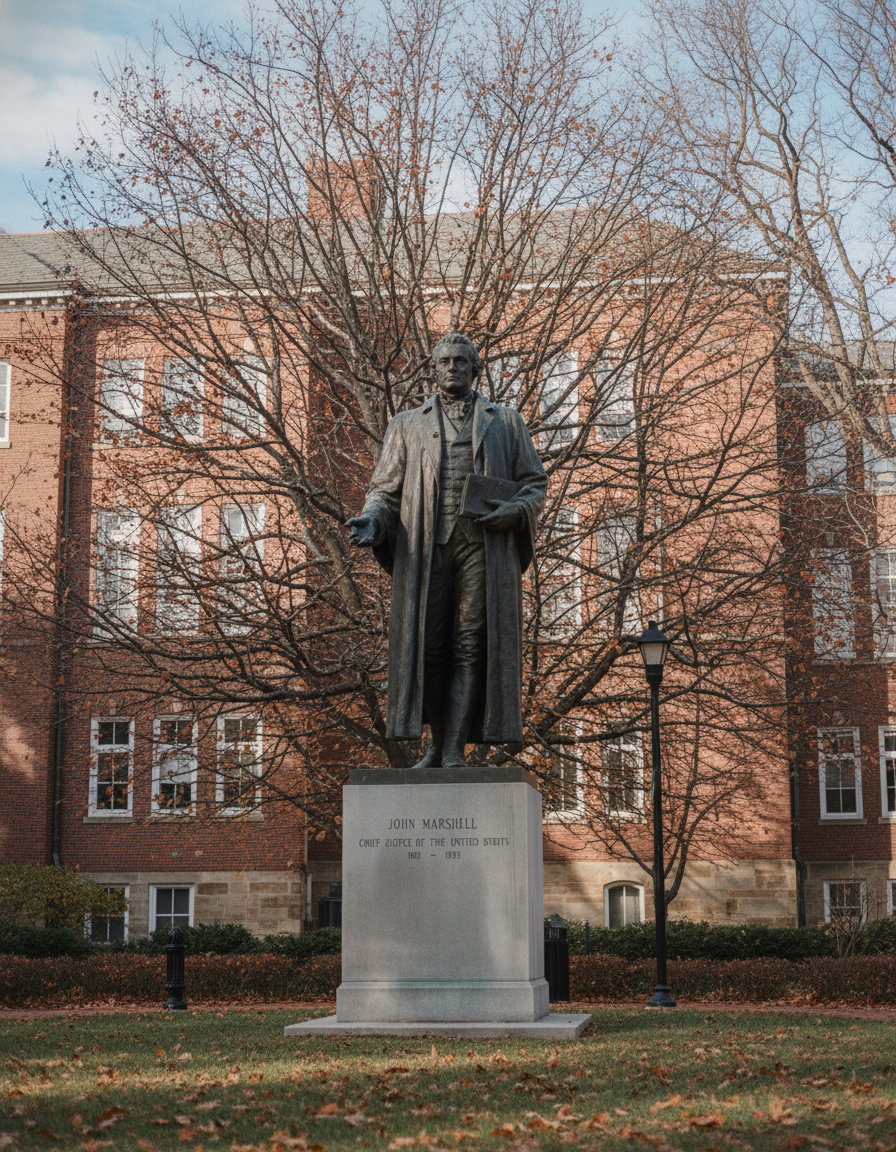
+6
Admissions
Acceptance Rate
Test Policy
Test-optional schools still weigh strong scores. Submitting can help.
Average GPA
Application Fee
Academics
Student-Faculty Ratio
Programs Offered
Full-Time Faculty
Women Faculty
Research Spending
Available Online
Degree Levels Offered
Marshall University shines in fields like education, nursing, and forensic science, where hands-on learning takes center stage. The School of Education prepares a significant number of West Virginia’s teachers, while the forensic science program stands out with its rigorous training and partnerships with law enforcement agencies. You'll also find solid programs in business and health sciences, often with a practical bent that prioritizes real-world application over theoretical depth.
In the classroom, you can expect a mix of smaller discussion-based courses and larger lectures, especially in introductory subjects, which might feel impersonal at times. Faculty are generally approachable, eager to mentor students who take initiative, though resources for cutting-edge research or highly specialized fields can be limited compared to larger research universities. If you're after a balance of personal attention and professional preparation, Marshall delivers, but those craving an intense, research-heavy environment might need to look elsewhere.
Student Body
Total Enrollment
9,146 undergrad • 2,812 grad
Undergraduate
Graduate
International
White
76%
Black / African American
5%
Hispanic / Latino
3%
Asian
2%
Other / Multi-racial
15%
Campus Life
Campus Setting
Huntington, WV
Varsity Athletics
NCAA Athletics
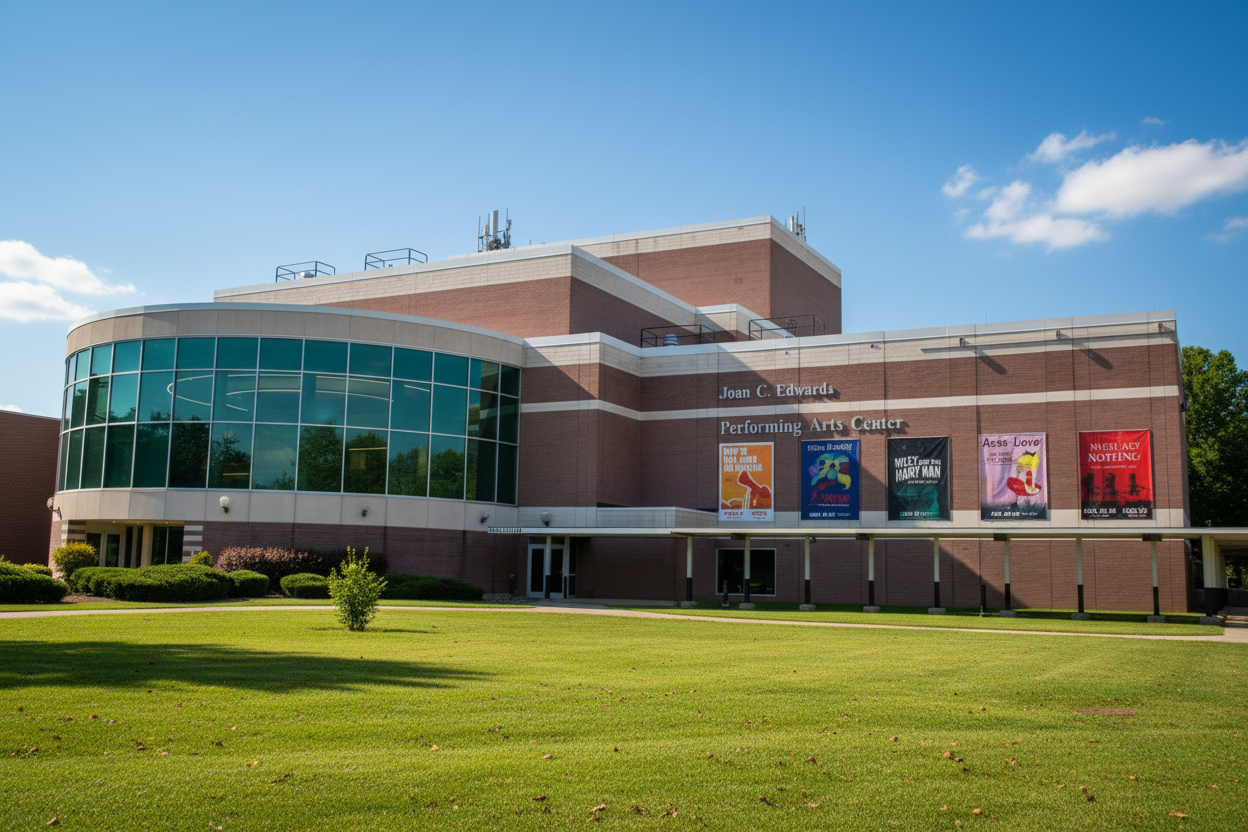
Campus life at Marshall revolves around a strong sense of school spirit, especially evident during football season when the Thundering Herd takes the field at Joan C. Edwards Stadium, and green and white flood the stands. Traditions like the annual Memorial Fountain ceremony, honoring the 1970 tragedy, bring students together in reflection, while everyday life often centers on casual hangouts at the student union or nearby coffee shops. You’ll find a friendly, down-to-earth social scene, though it’s not overly dynamic—many students head home on weekends, which can quiet the campus.
Living in Huntington means embracing West Virginia’s distinct seasons, with mild summers but chilly, sometimes snowy winters that can make walking to class a bit of a slog. Housing on campus is available, but options can fill up quickly, and off-campus apartments are affordable yet require some planning for transportation. While the cost of living is low, the social energy leans subdued, so if you’re looking for a bustling party scene or endless weekend events, you might need to create your own excitement.
Housing
On-Campus Housing
Housing Capacity
Meal Plan Available
Average Room & Board
Athletics
Athletic Association
Sun Belt Conference
ROTC & Veteran Support
Army
Yes
Navy
No
Air Force
No
Veteran’s Programs Available
Yellow Ribbon Program (Post-9/11 GI Bill)
Yes
Credit for military training
Yes
Dedicated point of contact for veteran support services
Yes
Recognized student veteran organization
Yes
Member of DoD Voluntary Educational Partnership MOU
Yes
Cost & Aid
In-State Tuition
Out-of-State Tuition
Room & Board
Estimated Cost
Financial Aid
Students Receiving Aid
Receiving Pell Grants
Average Grant
Average Federal Loan
Apply for Financial Aid
Complete the FAFSA to unlock grants, scholarships, and federal loans.
Costs shown are before financial aid. Most students receive some form of aid. Complete the FAFSA to see what you qualify for.
Outcomes & Earnings
Retention Rate
72%
4 Years Graduation Rate
43%
6 Years Graduation Rate
60%
Median 10-Year Earnings
$46,354
72% of first-time, full-time students complete their freshman year at Marshall University and return in the fall. 43% of first-time, full-time students graduate in 4 years, and 60% graduate within 6 years.
Graduation Rate
4-year grads
43%
4-5 years
17%
6-8 years
1%
Non-grad
39%
Let’s find your perfect tutor
Answer a few quick questions. We’ll recommend the right plan and match you with a top 5% tutor.
Marshall University
College Application Planner
Turn your research into step-by-step next moves for your college goals.
Keep 1 school in your plan
Key Statistics
Type
Public
Tuition
$7,190
Acceptance
96%
Undergrads
9,146
4-Year Grad Rate
43%
Endowment
$214M
Huntington, WV 25755