Acceptance Rate
95%
“Catholic haven training nurses, chiropractors, and doctors on Indianapolis's lively northwest side.”
Indianapolis, IN
Location
Large City
Campus Setting
Marian University traces its roots to 1937, when the Sisters of Providence established it as a women's college emphasizing Franciscan values of service and community. It transitioned to coeducational status in 1971 and gained university designation in 2009, evolving into a career-focused Catholic school with a strong health professions bent. Students who thrive here often seek faith-integrated education, hands-on preparation for jobs in healthcare or business, and a supportive community that values athletics and volunteerism alongside studies.
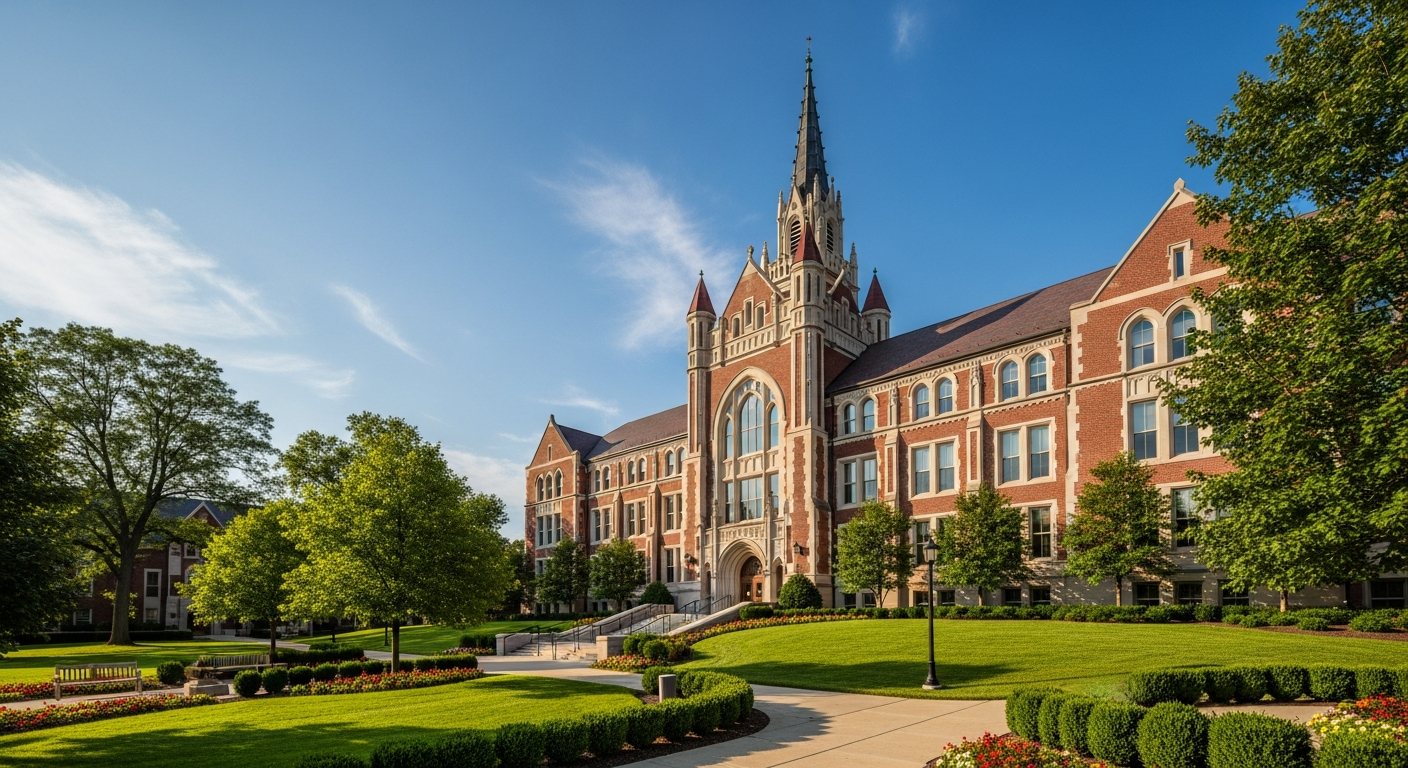
Nestled in Indianapolis's suburban northwest corridor, Marian offers easy access to the city's pro sports arenas, museums, and internships without the chaos of a downtown campus. The surrounding area balances quiet residential neighborhoods with urban amenities like the Indiana State Fairgrounds nearby. Tradeoffs include a higher cost of living than rural Indiana colleges and commuting challenges during rush hour for off-campus jobs or events.
Photo Gallery
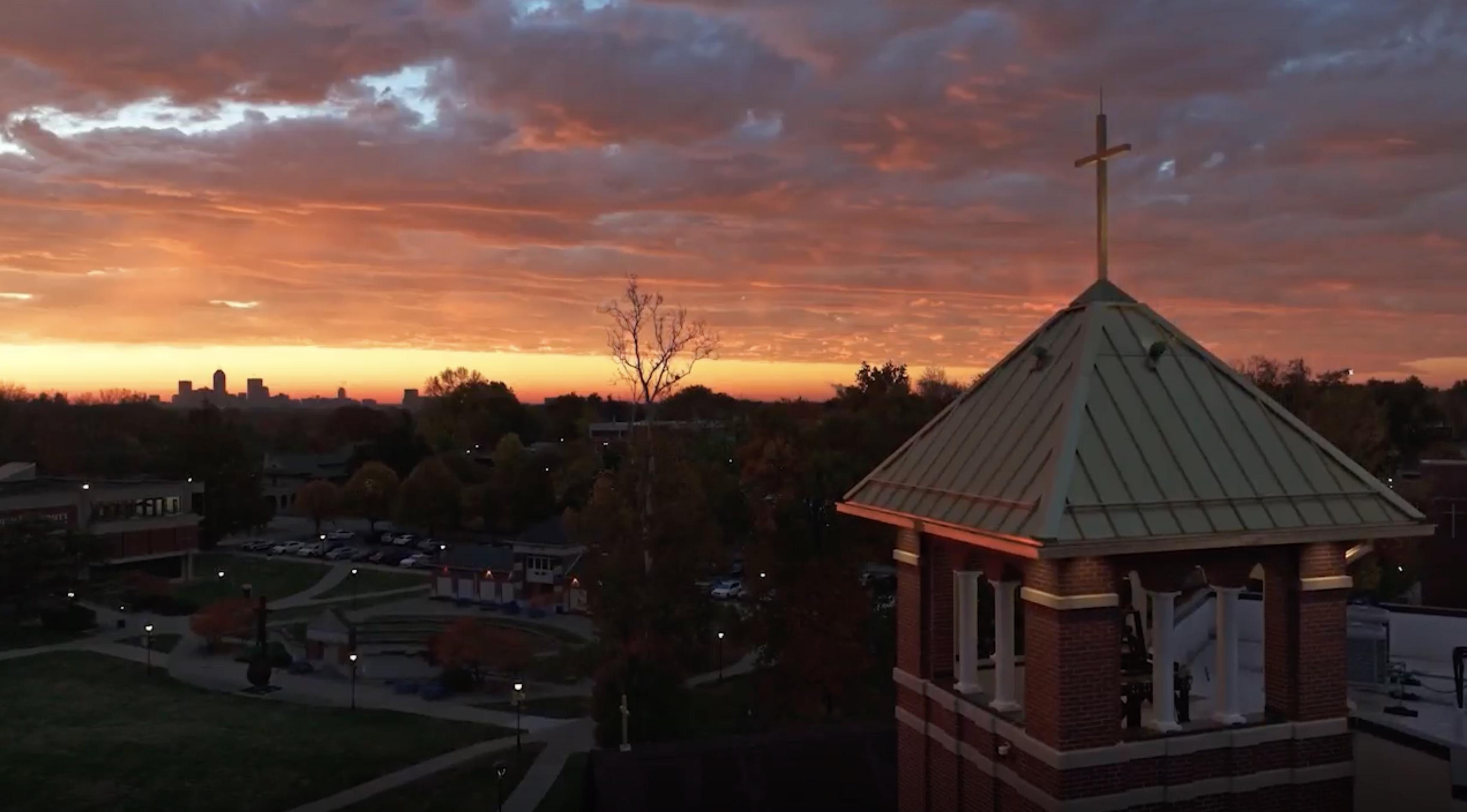


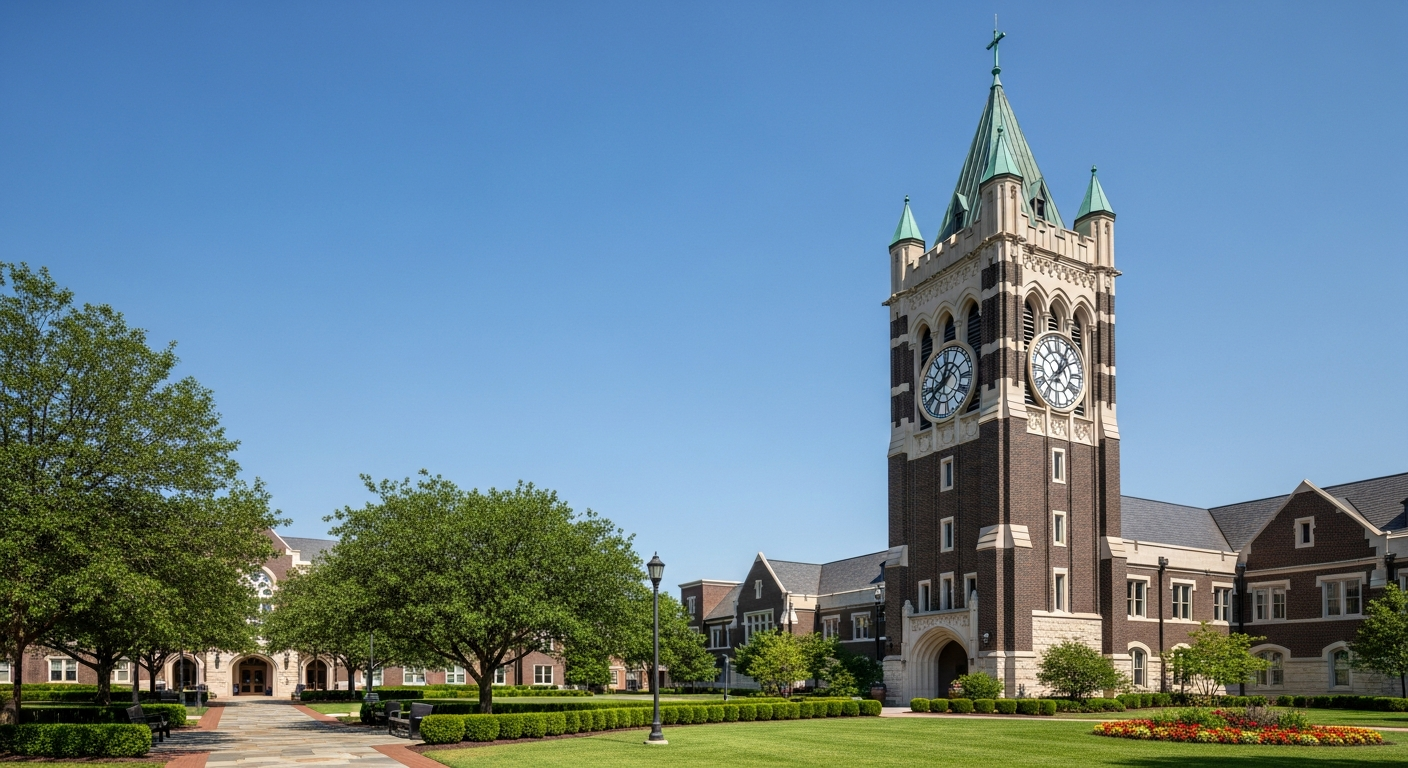
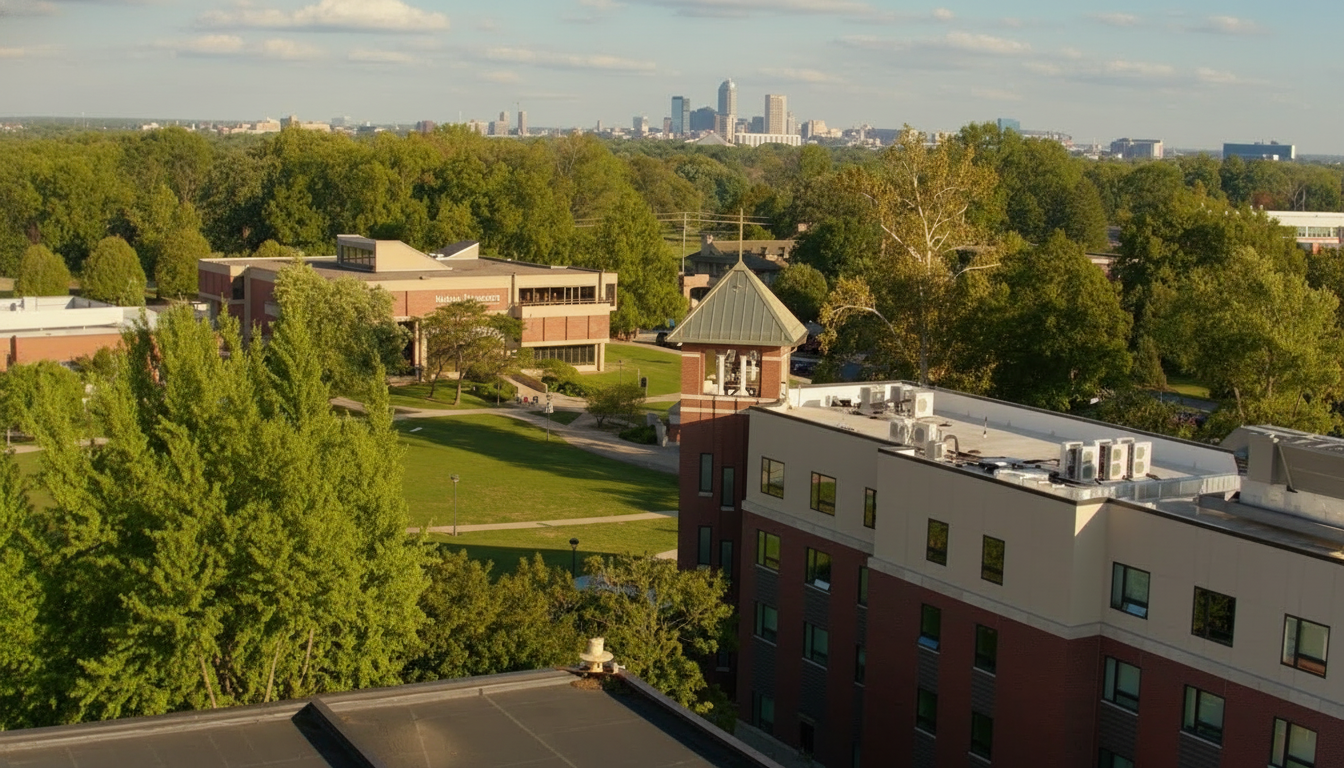
+7


Admissions
Acceptance Rate
Test Policy
Test-optional schools still weigh strong scores. Submitting can help.
Application Fee
Academics
Student-Faculty Ratio
Programs Offered
Full-Time Faculty
Women Faculty
Research Spending
Degree Levels Offered
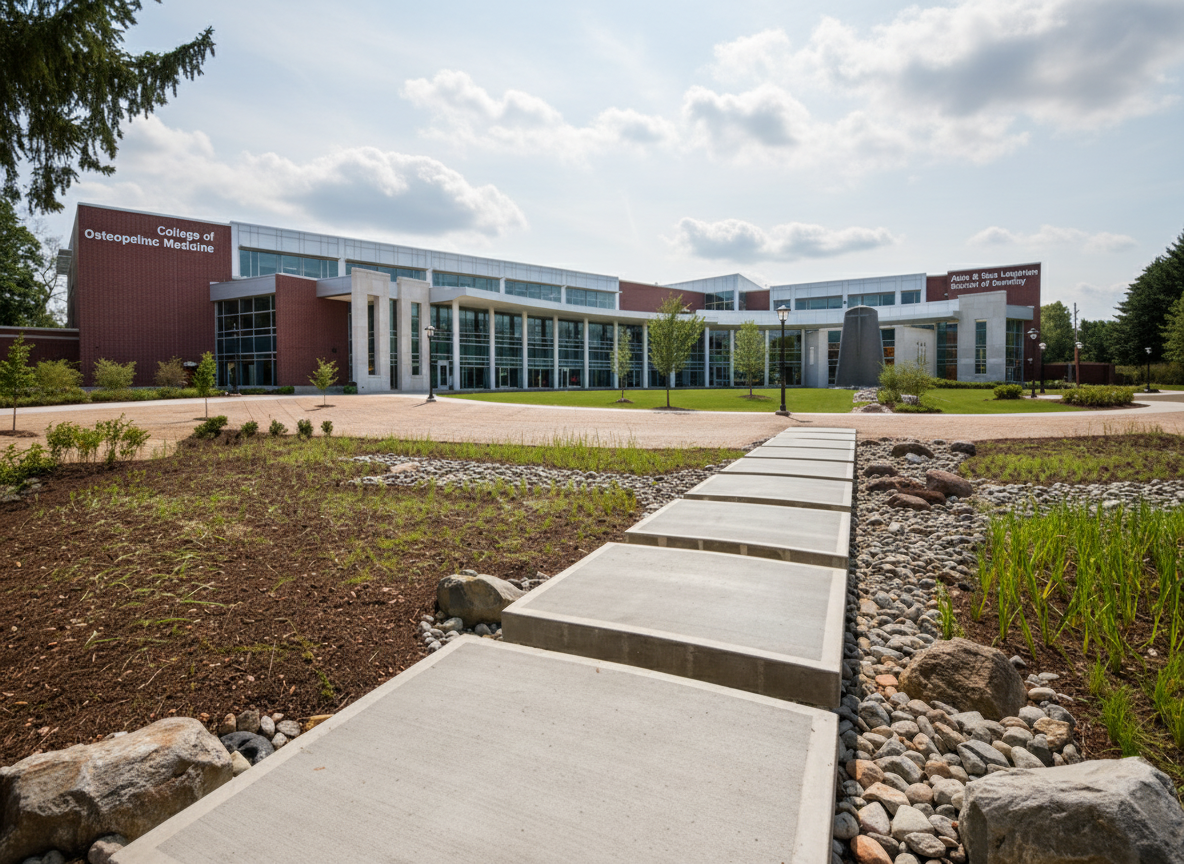
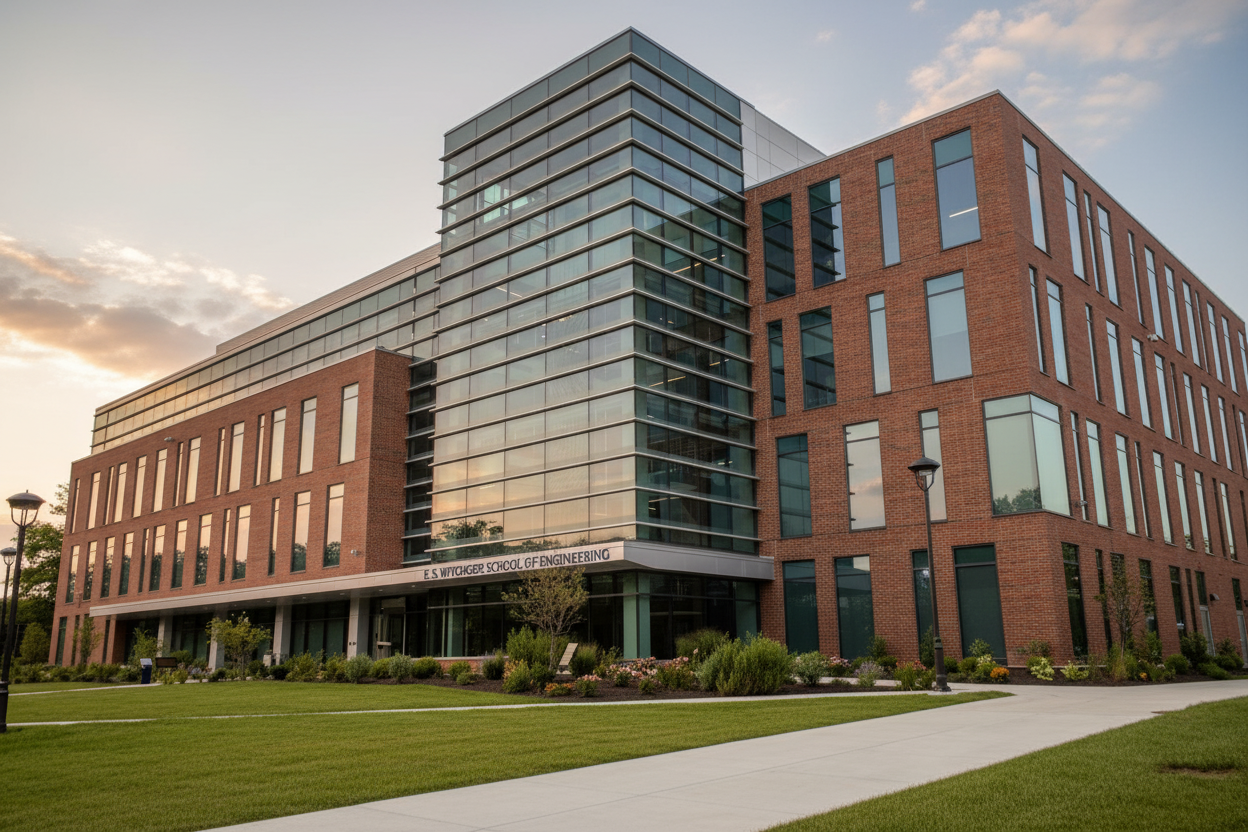
Marian stands out for its health sciences programs, particularly nursing, physician assistant studies, occupational therapy, and chiropractic medicine—Indiana's first chiropractic college opened here in 2012. You'll find classrooms blending lecture halls with simulation labs where nursing students practice on high-fidelity mannequins, and faculty emphasize clinical placements early on. The recent launch of a College of Osteopathic Medicine brings research opportunities in primary care to undergrads willing to shadow DO students.
Class sizes stay manageable in upper-level courses, fostering discussion-based learning, though introductory classes can fill with the school's 4,000-plus undergrads. Competitive admission to clinical tracks means strong high school grades and prerequisites matter. Tradeoffs involve fewer research-heavy options compared to larger research universities, with focus squarely on professional preparation over pure academia.
Student Body
Total Enrollment
2,378 undergrad • 1,108 grad
Undergraduate
Graduate
International
White
57%
Black / African American
15%
Hispanic / Latino
11%
Asian
5%
Other / Multi-racial
10%
Campus Life
Campus Setting
Indianapolis, IN
Varsity Athletics
Campus life pulses with Knights athletics pride—football teams have claimed three NAIA national titles—filling weekends with tailgates and games at the on-campus stadium. A typical week mixes classes, daily Mass options, service projects through groups like Service Knights, and evenings in residence halls hosting study sessions or game nights. Over 80 clubs span intramurals, debate, and cultural groups, creating bonds in a faith-centered environment where social scenes lean moderate rather than intense partying.
Freshmen live on campus in halls like Marian or Clare, easing the transition with resident assistants organizing floor events. Indianapolis integration means weekend outings to Colts games or the zoo, but cold Midwest winters keep many indoors. Housing fills quickly for upperclassmen, so early applications help, and the urban edge brings some commuters who miss out on dorm camaraderie.
Housing
On-Campus Housing
Housing Capacity
Meal Plan Available
Average Room & Board
Athletics
Athletic Association
NCAA
ROTC & Veteran Support
Army
Yes
Navy
No
Air Force
No
Veteran’s Programs Available
Yellow Ribbon Program (Post-9/11 GI Bill)
Yes
Credit for military training
Yes
Member of DoD Voluntary Educational Partnership MOU
Yes
Cost & Aid
In-State Tuition
Out-of-State Tuition
Room & Board
Estimated Cost
Financial Aid
Students Receiving Aid
Receiving Pell Grants
Average Grant
Average Federal Loan
Net Annual Cost by Household Income
Household Income
Avg. Net Cost
$0 – $30K
$20,889
$30K – $48K
$18,004
$48K – $75K
$18,557
$75K – $110K
$23,938
$110K+
$24,916
Apply for Financial Aid
Complete the FAFSA to unlock grants, scholarships, and federal loans.
Costs shown are before financial aid. Most students receive some form of aid. Complete the FAFSA to see what you qualify for.
Outcomes & Earnings
Retention Rate
76%
4 Years Graduation Rate
50%
6 Years Graduation Rate
57%
Median 10-Year Earnings
$58,759
76% of first-time, full-time students complete their freshman year at Marian University and return in the fall. 50% of first-time, full-time students graduate in 4 years, and 57% graduate within 6 years.
Graduation Rate
4-year grads
50%
4-6 years
7%
Non-grad
43%
Let’s find your perfect tutor
Answer a few quick questions. We’ll recommend the right plan and match you with a top 5% tutor.
Key Statistics
Type
Private
Tuition
$37,600
Acceptance
95%
Undergrads
2,378
4-Year Grad Rate
50%
Endowment
$41M
Indianapolis, IN 46222-1997
Explore More