Acceptance Rate
41%
Avg. SAT
1320
75th percentile
“Howard University, the capstone of HBCUs, immerses you in Black excellence amid Washington's power corridors, forging leaders who shape history.”
Washington, DC
Location
Large City
Campus Setting
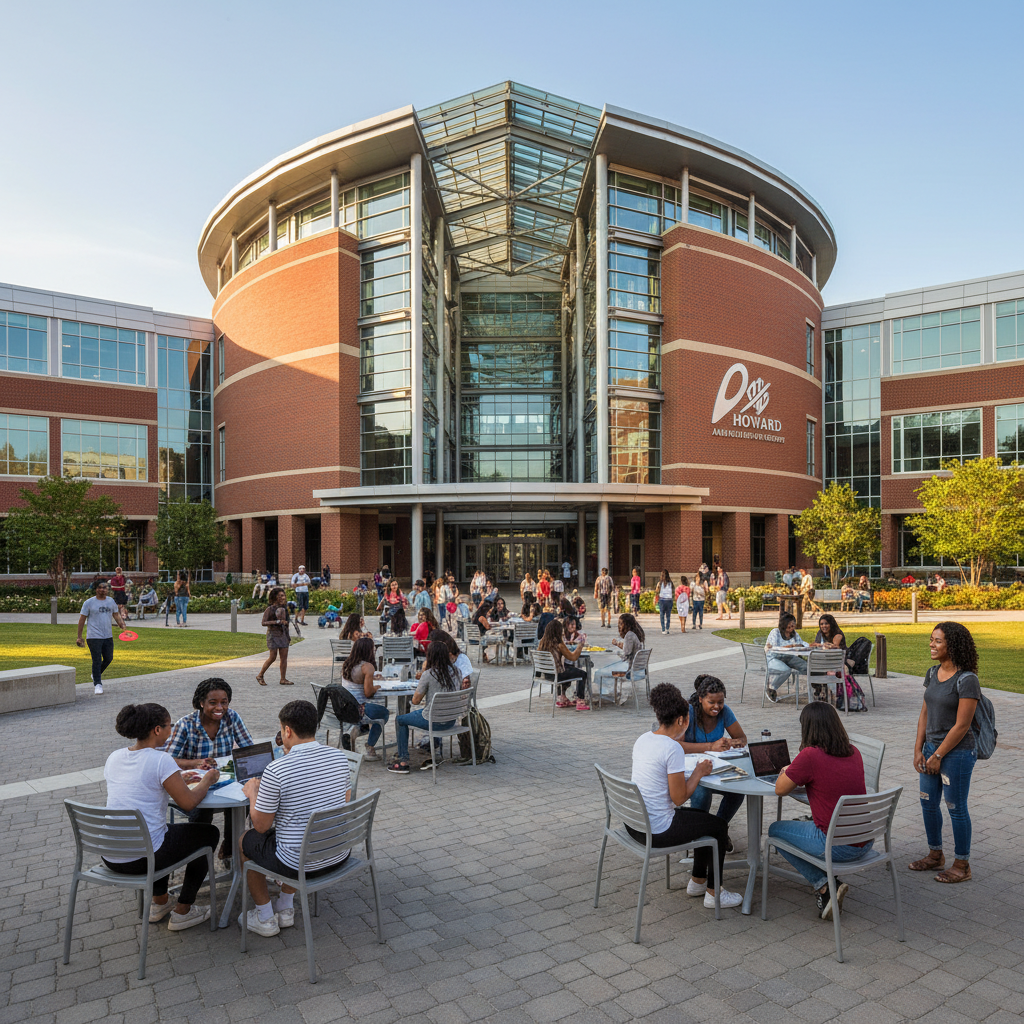
You'll step onto Howard's campus knowing you stand at the heart of Black higher education, founded in 1867 by Union General Oliver Otis Howard to educate freed slaves in the shadow of the Capitol. From its earliest days in a rundown Freedmen's Bureau classroom, Howard evolved into 'The Mecca,' a private powerhouse that defines Black intellectual life without federal funding strings. The Shaw neighborhood pulses with history—U Street's jazz legacy echoes around you—placing internships at the White House or Smithsonian just blocks away. Ambitious students who crave a tight-knit community of shared heritage thrive here, channeling pride into activism and achievement, but if you seek a diverse racial mix or quiet suburbia, the 96% Black undergraduate body and urban grit might overwhelm.
Howard's personality radiates unapologetic boldness: think protests that make national news, fashion that sets trends, and a legacy of producing presidents of other HBCUs. Yet tradeoffs loom—DC's sky-high living costs strain budgets beyond the $30,000 tuition, and the large-city bustle means navigating safety precautions after dark, trading pastoral peace for unparalleled access to power.
Photo Gallery
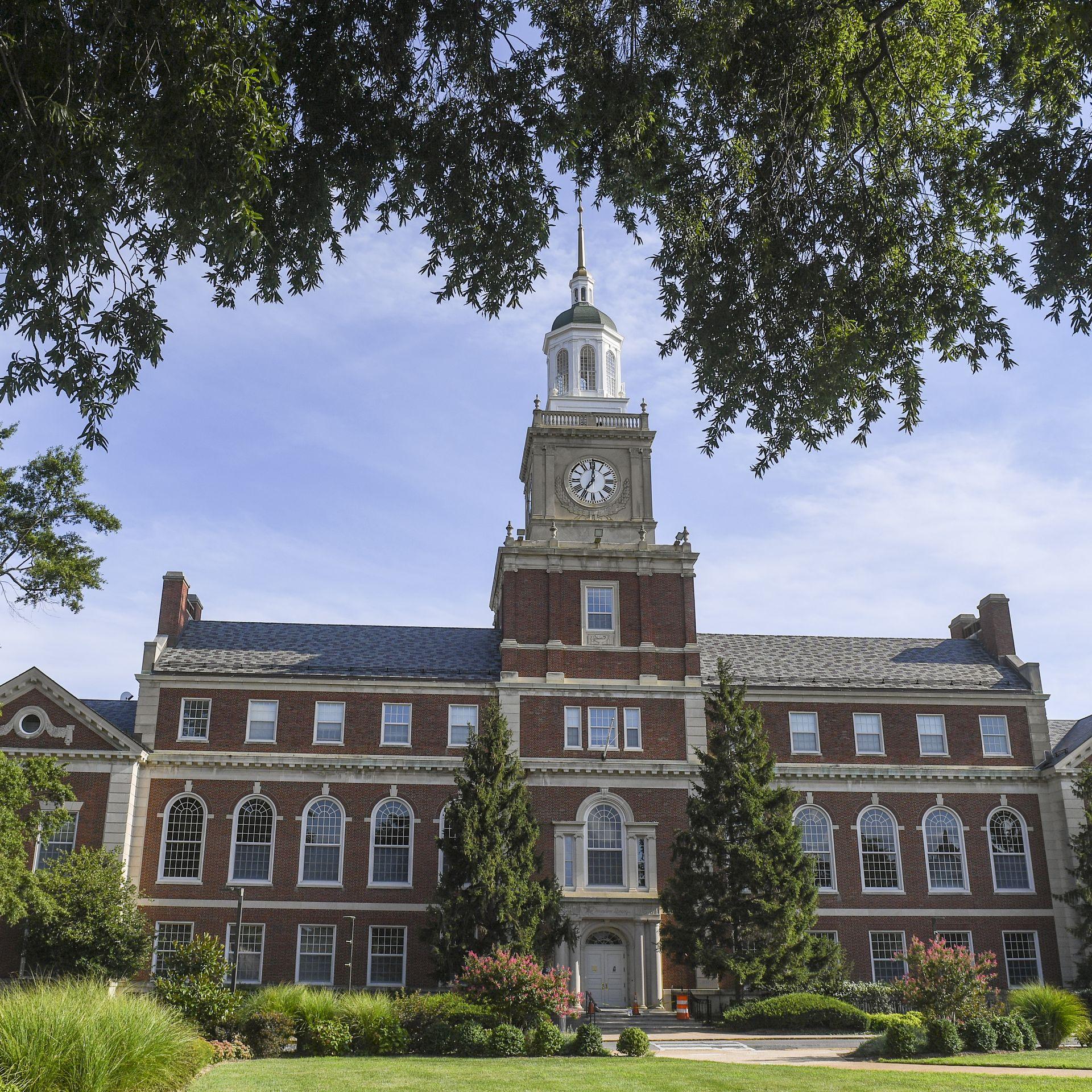


+19
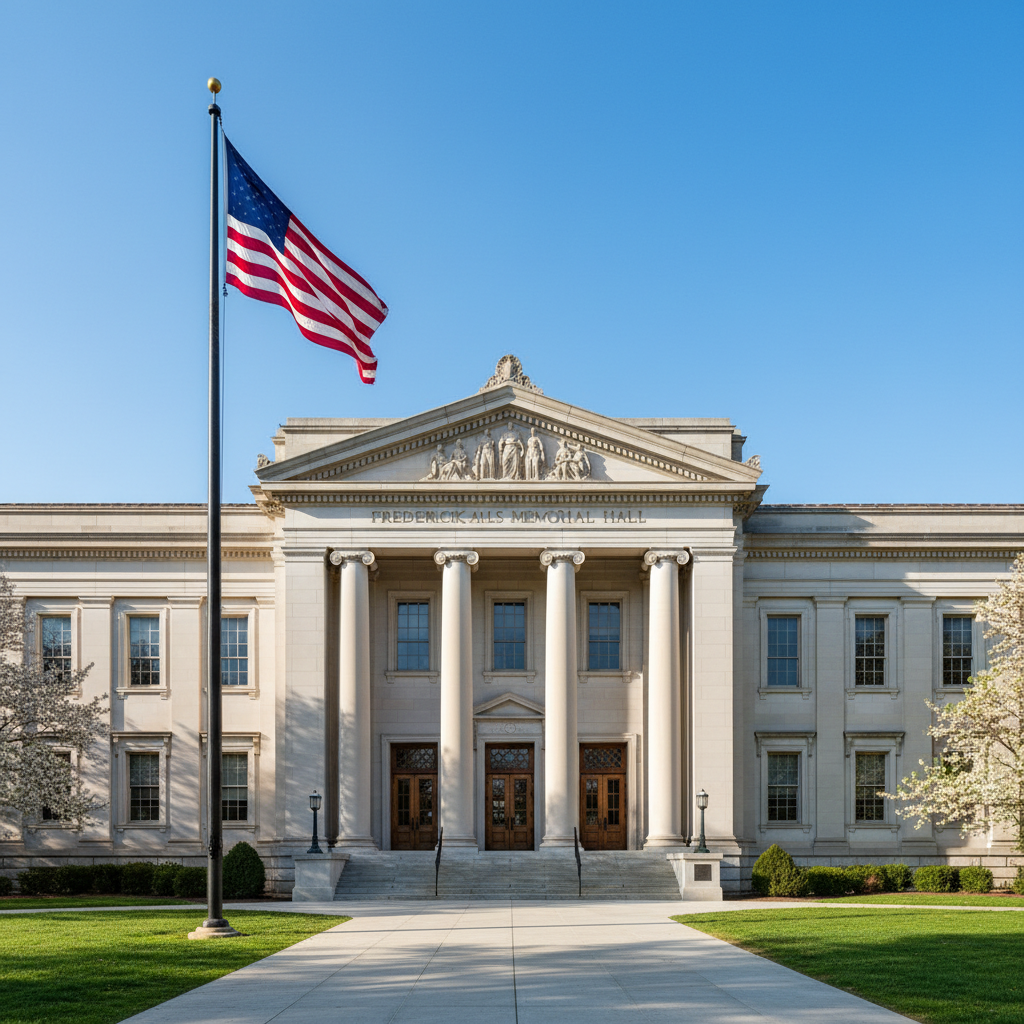
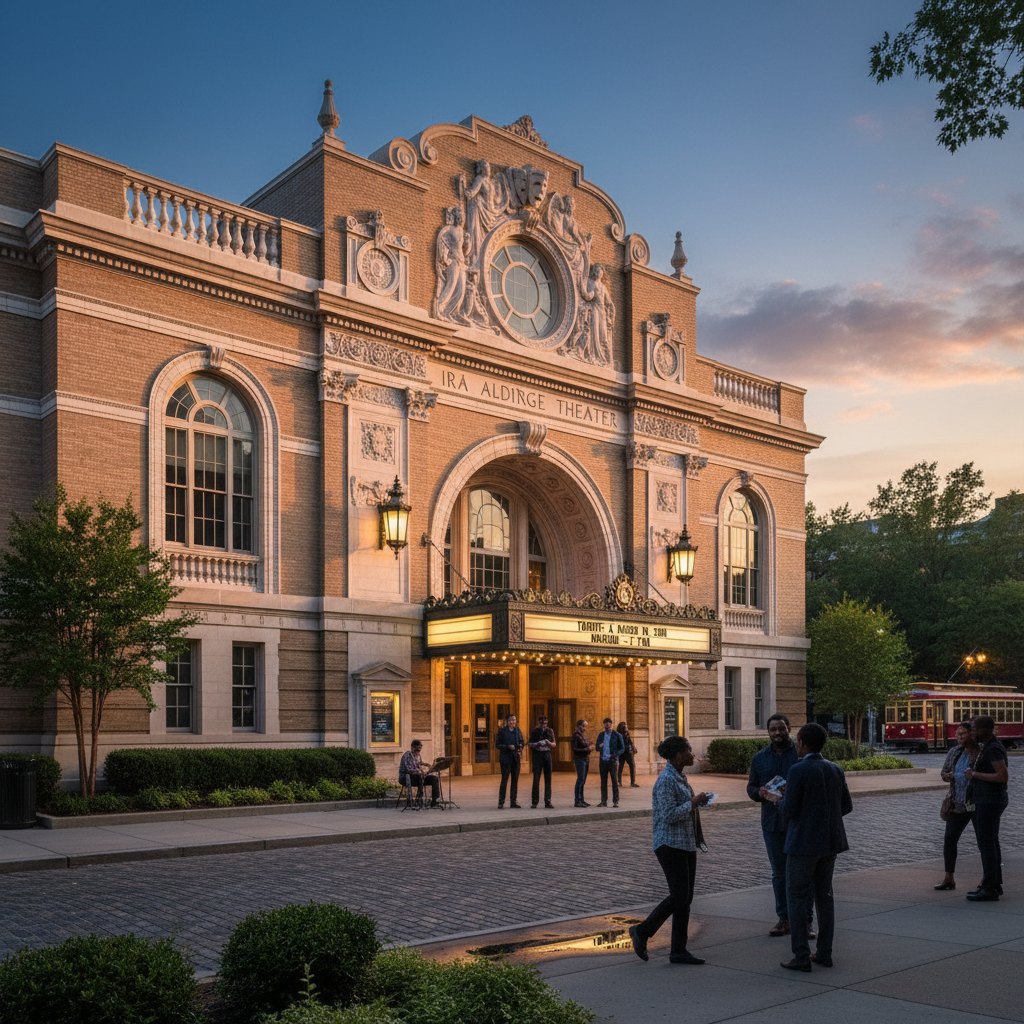
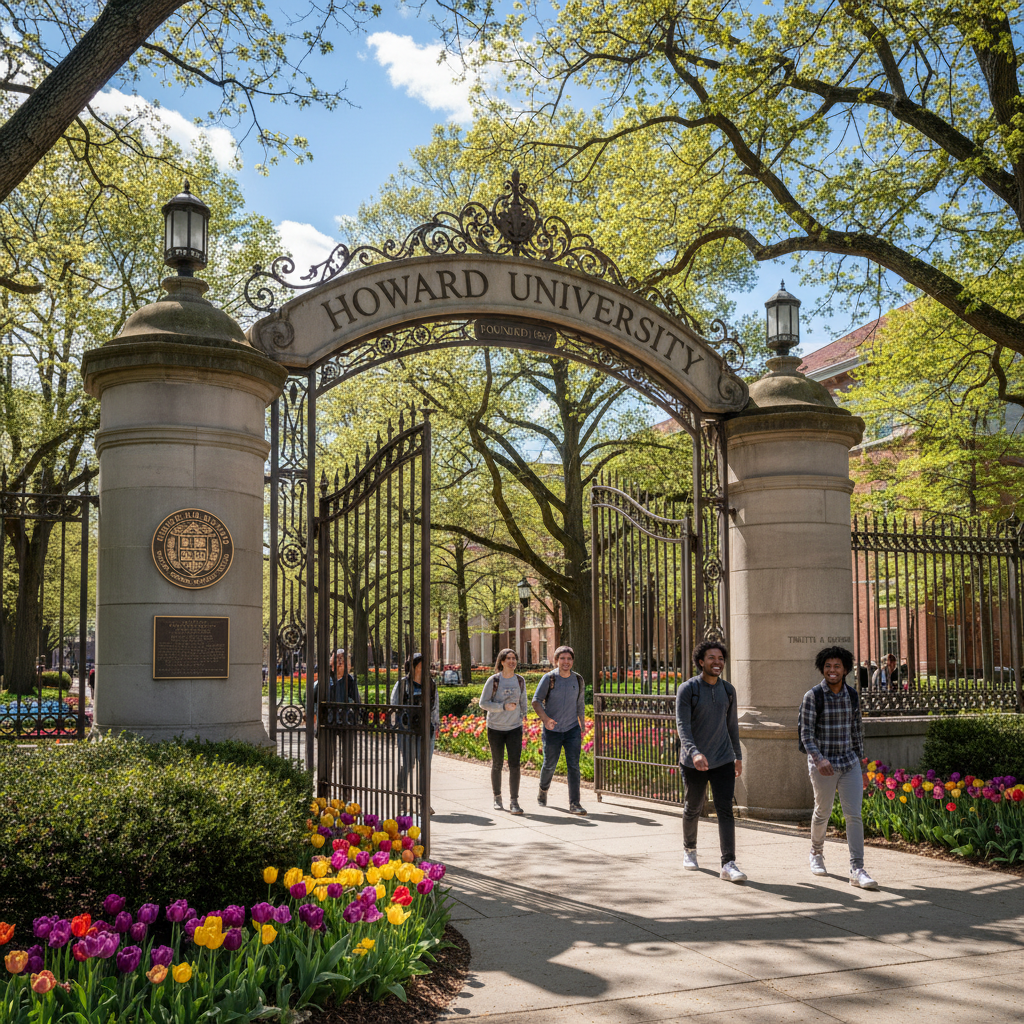


+11
Admissions
Acceptance Rate
Test Policy
Test-optional schools still weigh strong scores. Submitting can help.
Average GPA
Application Fee
Academics
Student-Faculty Ratio
Programs Offered
Full-Time Faculty
Women Faculty
Research Spending
Degree Levels Offered
In Howard's classrooms, professors with real-world clout—think Supreme Court advocates or White House advisors—push you through intimate seminars where the 11:1 student-faculty ratio sparks debates on race, policy, and power that spill into late-night dorm talks. You dive into standouts like the law school that trained Thurgood Marshall, the medical complex churning out Black doctors at rates unmatched elsewhere, or communications programs birthing media moguls. Research thrives via the National Human Genome Center, the only one at an HBCU, letting undergrads co-author papers on health disparities.
The intellectual culture buzzes with purpose, more activist than ivory-tower, but expect tradeoffs: with 9,500 undergrads, core intro classes pack in, and resources lag behind Ivy peers, demanding self-starters who hustle for funding amid a 70% six-year graduation rate.
Student Body
Total Enrollment
11,519 undergrad • 3,371 grad
Undergraduate
Graduate
International
White
1%
Black / African American
69%
Hispanic / Latino
6%
Asian
3%
Other / Multi-racial
21%
Campus Life
Campus Setting
Washington, DC
Varsity Athletics
NCAA Athletics
Your week at Howard blends rigorous study with electric vibes: mornings in lecture halls, afternoons interning on Capitol Hill, evenings at Yard Fest block parties where bass thumps from speakers atop the Hilltop. Residential life clusters you in lively dorms like Drew Hall or the modish Urban Arts towers, fostering bonds deepened by Divine Nine Greek life—step shows and probates electrify the Yard. Traditions like the annual Homecoming, rivaling Mardi Gras with 100,000 revelers, cement lifelong networks, while 200+ clubs span step teams to pre-law societies.
The social scene pulses with pride and pageantry, but challenges hit: DC's humid summers and occasional campus closures from protests test resilience, and the party-hard rep means balancing fun with focus, especially if quiet reflection suits you better than constant stimulation.
Housing
On-Campus Housing
Housing Capacity
Meal Plan Available
Average Room & Board
Athletics
Athletic Association
Mid-Eastern Athletic Conf.
ROTC & Veteran Support
Army
Yes
Navy
No
Air Force
Yes
Veteran’s Programs Available
Yellow Ribbon Program (Post-9/11 GI Bill)
Yes
Dedicated point of contact for veteran support services
Yes
Recognized student veteran organization
Yes
Cost & Aid
In-State Tuition
Out-of-State Tuition
Room & Board
Estimated Cost
Financial Aid
Students Receiving Aid
Receiving Pell Grants
Average Grant
Average Federal Loan
Net Annual Cost by Household Income
Household Income
Avg. Net Cost
$0 – $30K
$42,609
$30K – $48K
$44,107
$48K – $75K
$46,678
$75K – $110K
$48,951
$110K+
$49,240
Apply for Financial Aid
Complete the FAFSA to unlock grants, scholarships, and federal loans.
Costs shown are before financial aid. Most students receive some form of aid. Complete the FAFSA to see what you qualify for.
Outcomes & Earnings
Retention Rate
91%
4 Years Graduation Rate
55%
6 Years Graduation Rate
64%
Median 10-Year Earnings
$63,066
91% of first-time, full-time students complete their freshman year at Howard University and return in the fall. 55% of first-time, full-time students graduate in 4 years, and 64% graduate within 6 years.
Graduation Rate
4-year grads
55%
4-5 years
9%
6-8 years
1%
Non-grad
35%
Let’s find your perfect tutor
Answer a few quick questions. We’ll recommend the right plan and match you with a top 5% tutor.
Howard University
College Application Planner
Turn your research into step-by-step next moves for your college goals.
Keep 1 school in your plan
Key Statistics
Type
Private
Tuition
$30,584
Acceptance
41%
Undergrads
11,519
4-Year Grad Rate
55%
Endowment
$828M
Washington, DC 20059