Acceptance Rate
37%
Avg. SAT
1510
75th percentile
“Nashville's historic HBCU where the Fisk Jubilee Singers launched a global gospel legacy from a freedmen's school.”
Nashville, TN
Location
Large City
Campus Setting
Fisk University traces its roots to 1866, when the American Missionary Association and Freedmen's Bureau established it to provide higher education to newly freed African Americans in post-Civil War Nashville. From modest beginnings in a former Union hospital, it grew into one of the nation's earliest Historically Black Colleges and Universities, emphasizing rigorous liberal arts amid the city's evolving music and cultural landscape. Students who thrive here often seek a close-knit community with deep historical resonance, where personal connections with peers and faculty shape daily life.
The campus sits in a compact urban pocket of Nashville, steps from bustling Music Row and Vanderbilt University, blending Southern hospitality with city energy. You'll navigate a sense of purpose tied to legacy figures who walked these grounds, but the small scale—under 1,000 undergraduates—means fewer amenities and program options than at larger schools. Tradeoffs include a higher cost of living in Nashville compared to rural Tennessee colleges, though the walkable neighborhood offers easy access to internships and entertainment.
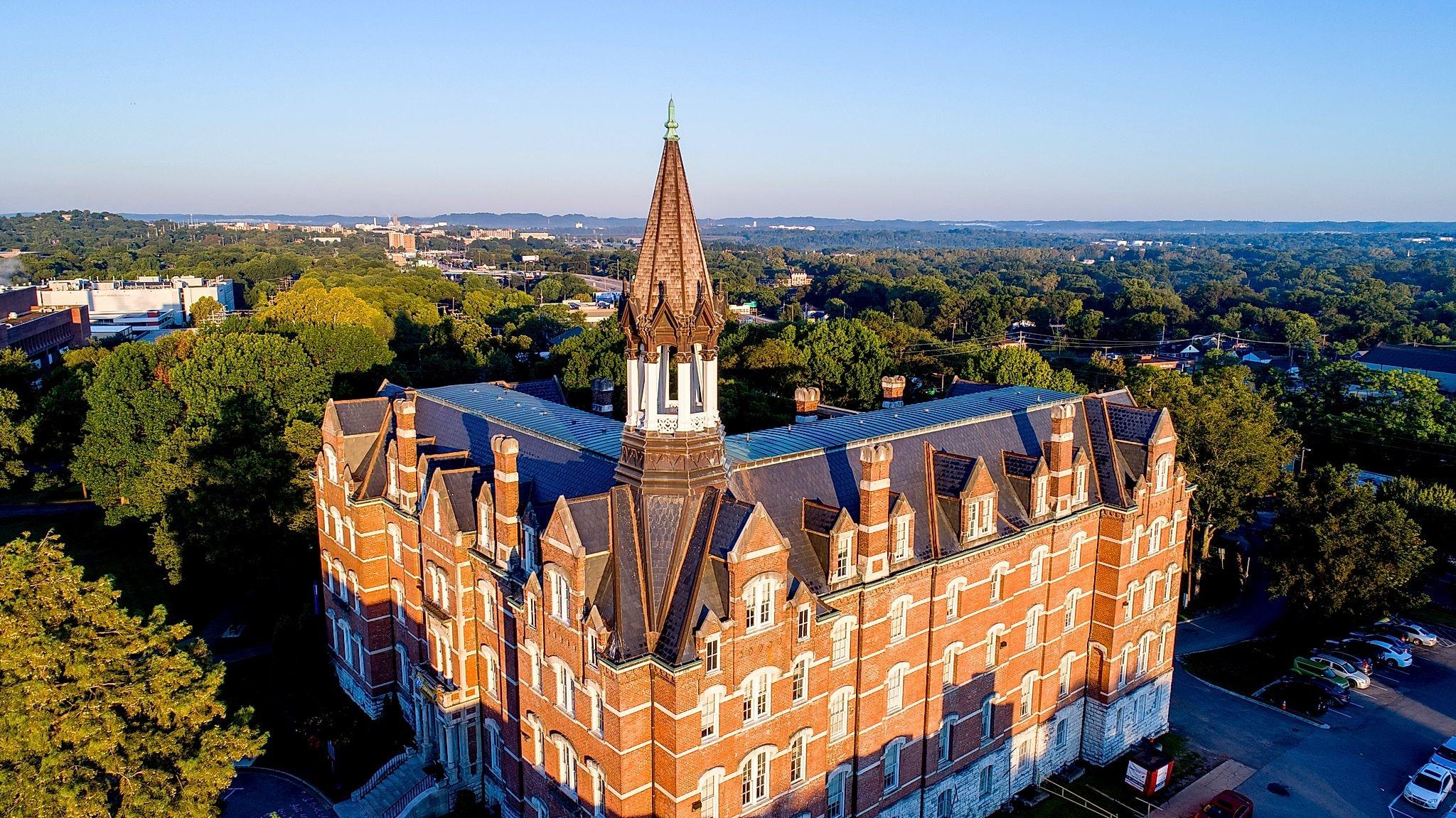
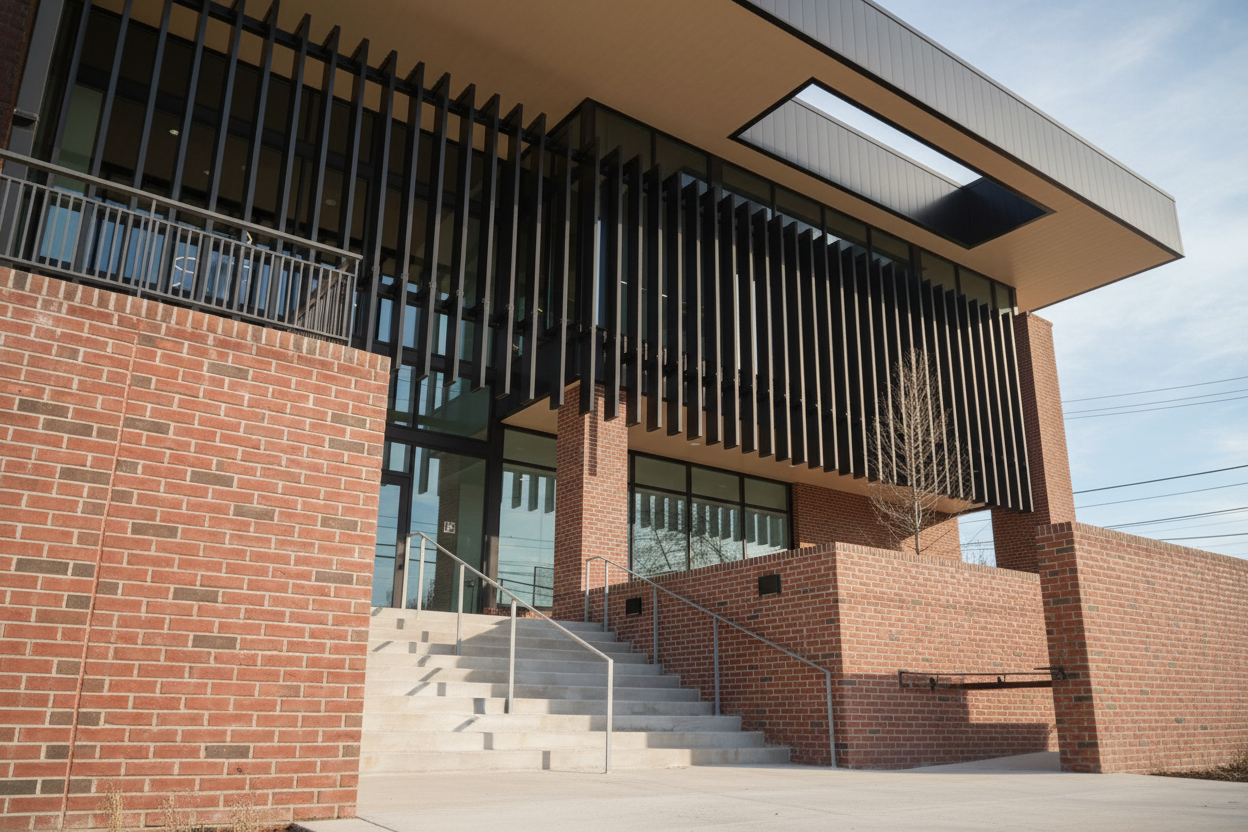
Photo Gallery
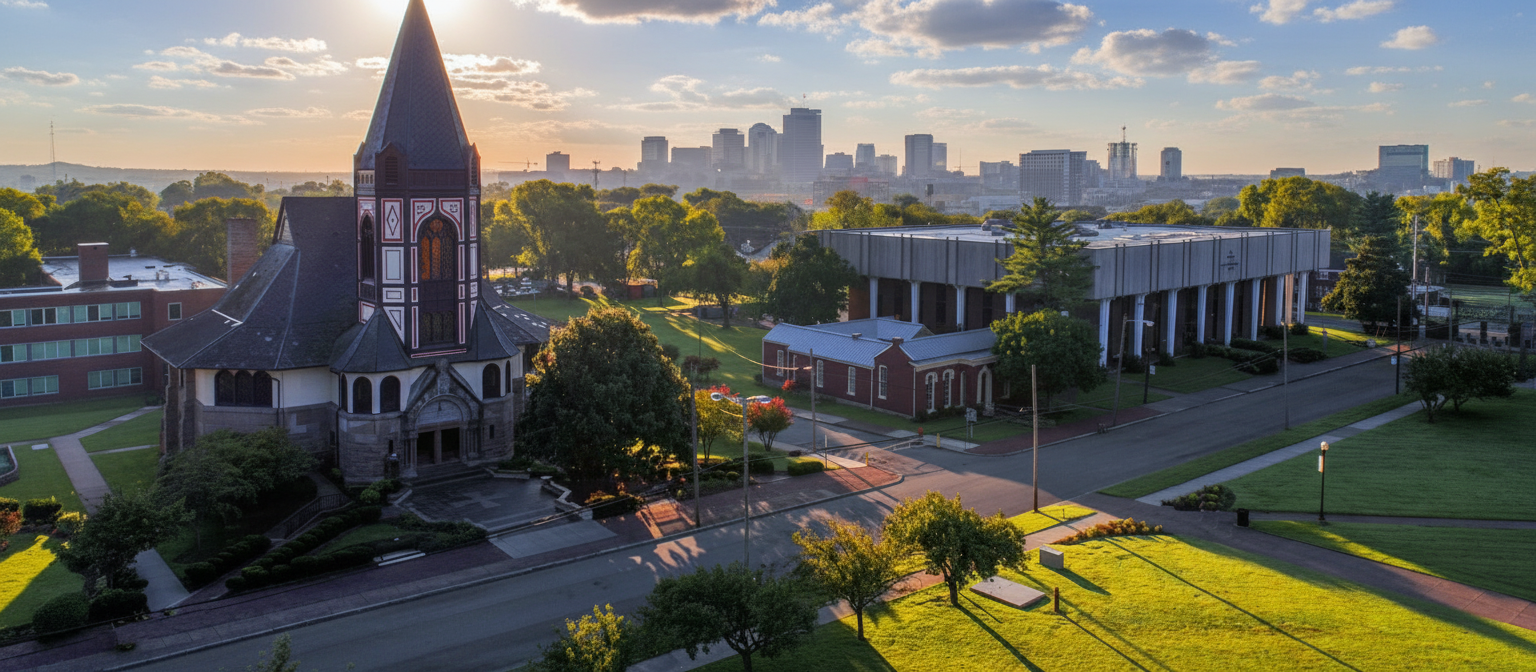

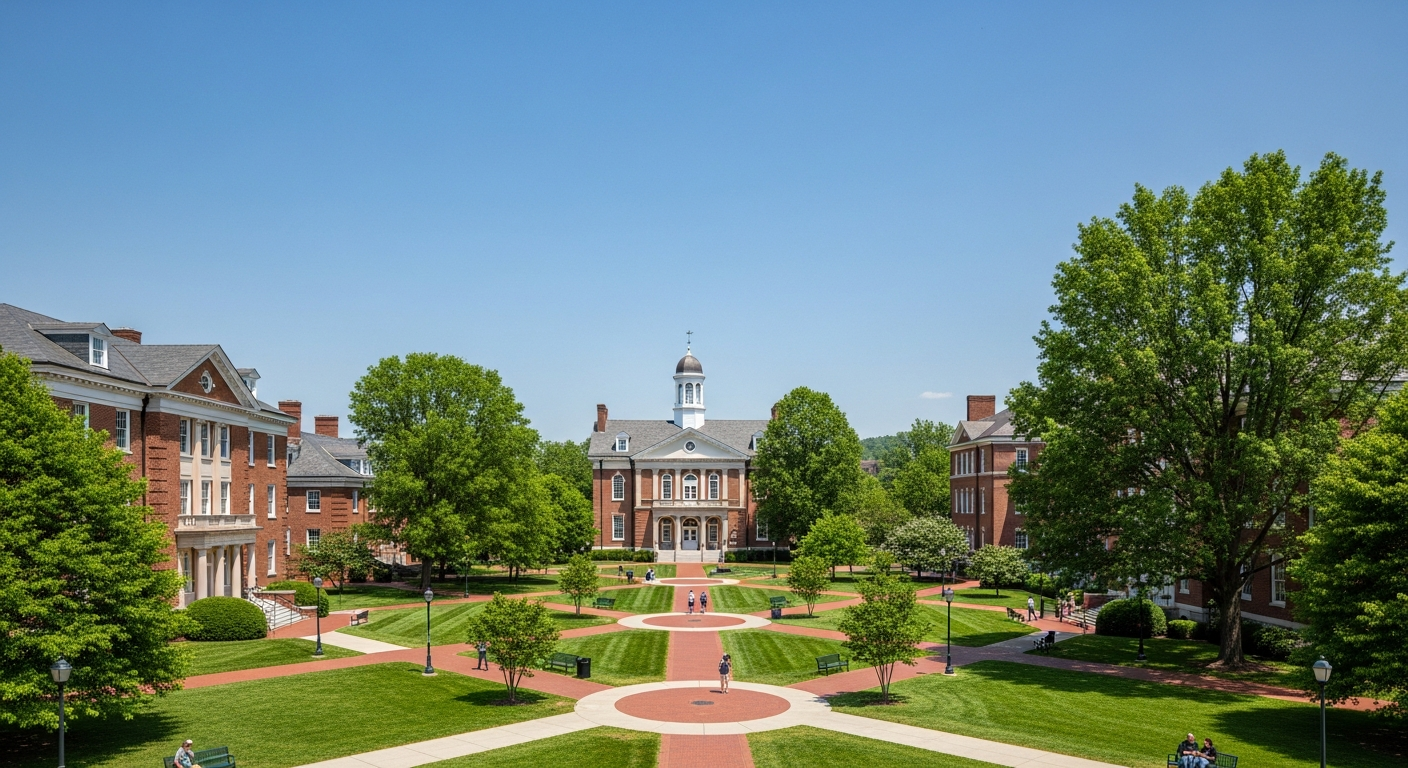

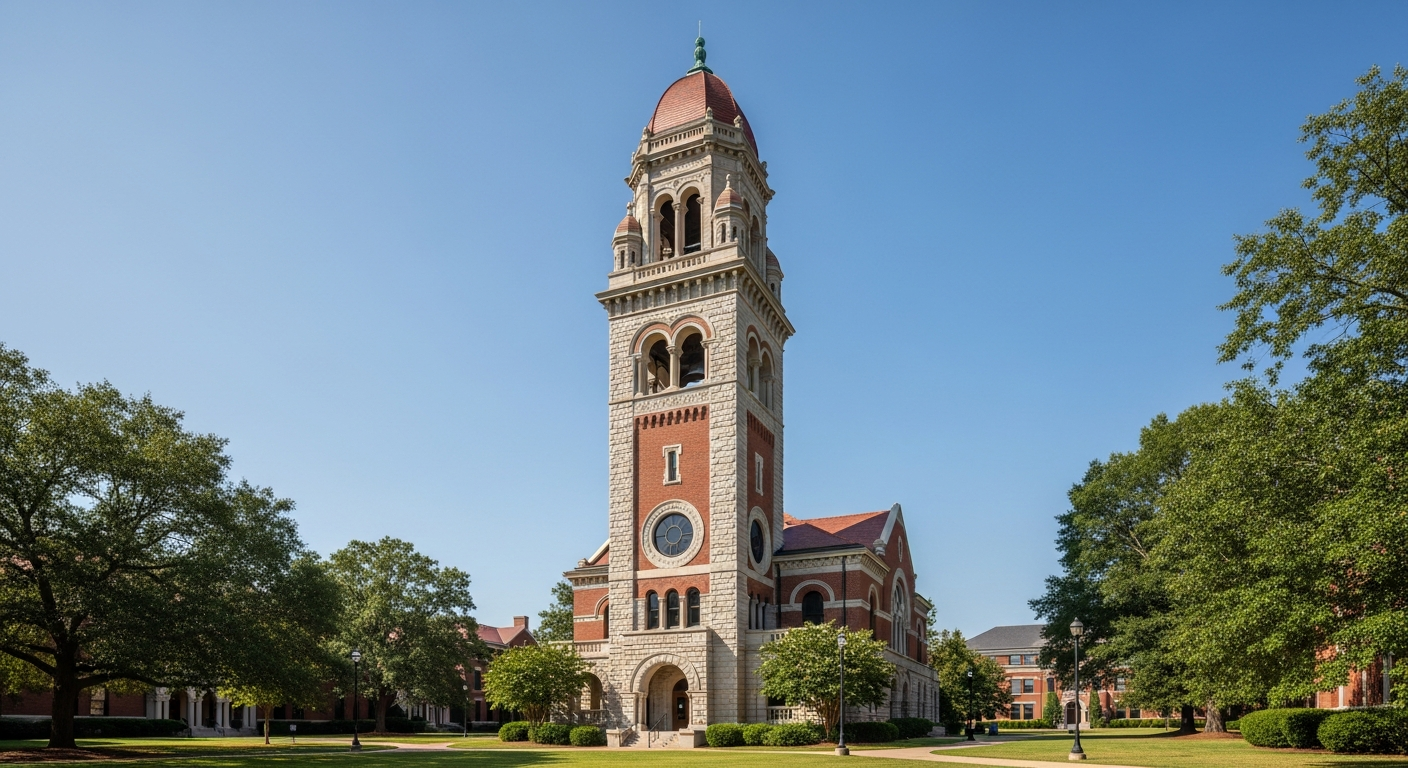
+3
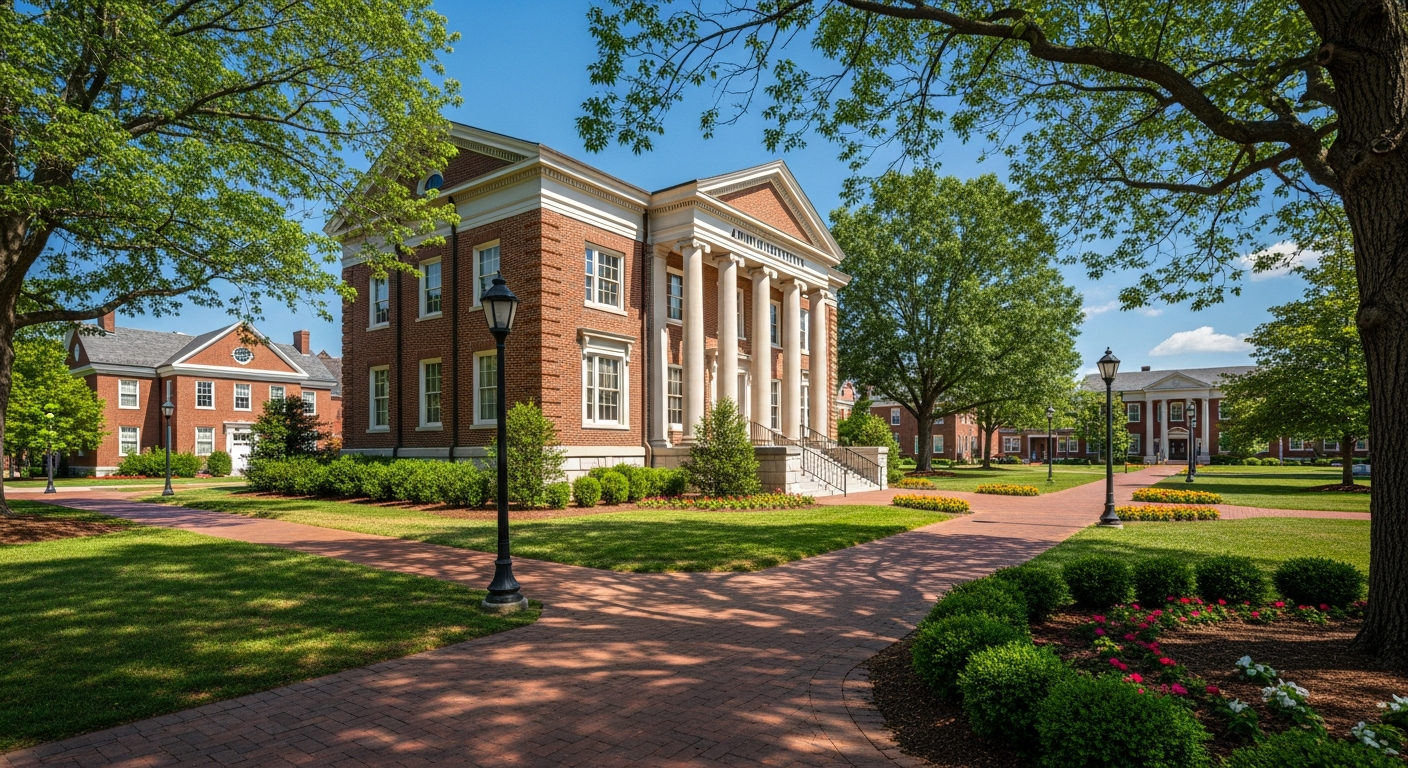
Admissions
Acceptance Rate
Test Policy
Test-optional schools still weigh strong scores. Submitting can help.
Average GPA
Application Fee
Academics
Student-Faculty Ratio
Programs Offered
Full-Time Faculty
Women Faculty
Research Spending
Degree Levels Offered
Fisk delivers a focused liberal arts education with strengths in business, nursing, psychology, and music, where small class sizes foster direct faculty engagement and mentorship. In classrooms, expect interactive seminars rather than massive lectures, with professors drawing on the school's activist heritage to challenge critical thinking. Research opportunities exist through undergraduate projects, particularly in African American studies and the sciences, though the modest scale limits cutting-edge labs found at bigger research institutions.
Popular majors like biology and computer science attract students eyeing health or tech fields, but competitive internal transfers can occur for oversubscribed programs. The intellectual culture rewards those who engage deeply in discussions on history and society, balanced by practical career prep.
Student Body
Total Enrollment
1,035 undergrad • 24 grad
Undergraduate
Graduate
Black / African American
82%
Hispanic / Latino
1%
Asian
1%
Other / Multi-racial
16%
Campus Life
Campus Setting
Nashville, TN
Varsity Athletics
Campus life pulses with HBCU traditions like step shows, Greek life events, and the annual Jubilee Day honoring the singers' tours that saved Fisk from closure. A typical week mixes chapel services, study groups in Jubilee Hall, and off-campus jaunts to Nashville's honky-tonks or food trucks. Residential halls create tight bonds, with freshmen often in suite-style doubles fostering lifelong friendships amid urban hum.
The social scene leans communal rather than sprawling party-centric, with gospel choirs and cultural festivals filling weekends. Challenges include city traffic and noise encroaching on quieter study vibes, plus a higher cost of living that stretches budgets beyond tuition. Still, Nashville's live music draws students into the broader scene without needing a car.
Housing
On-Campus Housing
Housing Capacity
Meal Plan Available
Average Room & Board
Athletics
Athletic Association
NCAA
ROTC & Veteran Support
Army
Yes
Navy
Yes
Air Force
No
Veteran’s Programs Available
Yellow Ribbon Program (Post-9/11 GI Bill)
Yes
Credit for military training
Yes
Dedicated point of contact for veteran support services
Yes
Recognized student veteran organization
Yes
Cost & Aid
In-State Tuition
Out-of-State Tuition
Room & Board
Estimated Cost
Financial Aid
Students Receiving Aid
Receiving Pell Grants
Average Grant
Average Federal Loan
Net Annual Cost by Household Income
Household Income
Avg. Net Cost
$0 – $30K
$20,144
$30K – $48K
$33,888
$48K – $75K
$20,837
$75K – $110K
$26,642
$110K+
$17,997
Apply for Financial Aid
Complete the FAFSA to unlock grants, scholarships, and federal loans.
Costs shown are before financial aid. Most students receive some form of aid. Complete the FAFSA to see what you qualify for.
Outcomes & Earnings
Retention Rate
74%
4 Years Graduation Rate
36%
6 Years Graduation Rate
40%
Median 10-Year Earnings
$45,454
74% of first-time, full-time students complete their freshman year at Fisk University and return in the fall. 36% of first-time, full-time students graduate in 4 years, and 40% graduate within 6 years.
Graduation Rate
4-year grads
36%
4-6 years
4%
Non-grad
60%
Let’s find your perfect tutor
Answer a few quick questions. We’ll recommend the right plan and match you with a top 5% tutor.
Key Statistics
Type
Private
Tuition
$21,600
Acceptance
37%
Undergrads
1,035
4-Year Grad Rate
36%
Endowment
$49M
Nashville, TN 37208-4501
Explore More