Acceptance Rate
11%
Avg. SAT
1550
75th percentile
“In Atlanta's electric pulse, Emory fuses Methodist roots with pre-professional drive and global health prowess.”
Atlanta, GA
Location
Large City
Campus Setting
You'll trace Emory's story back to 1836, when Methodists founded it in the sleepy hamlet of Oxford, Georgia, only to uproot it to booming Atlanta in 1915 amid World War I's industrial surge—trading rural piety for urban ambition. Today, it draws students who thrive on intellectual hustle laced with Southern warmth: think driven overachievers eyeing med school or Wall Street, diverse in background yet unified by service ethos from its church heritage. The campus hums with a polished, forward-leaning personality—less rah-rah than peers like Duke, more contemplative than Vanderbilt—but tradeoffs hit hard: Atlanta's sprawl means commuting for city thrills, and the relentless humidity tests your resolve year-round.
Photo Gallery

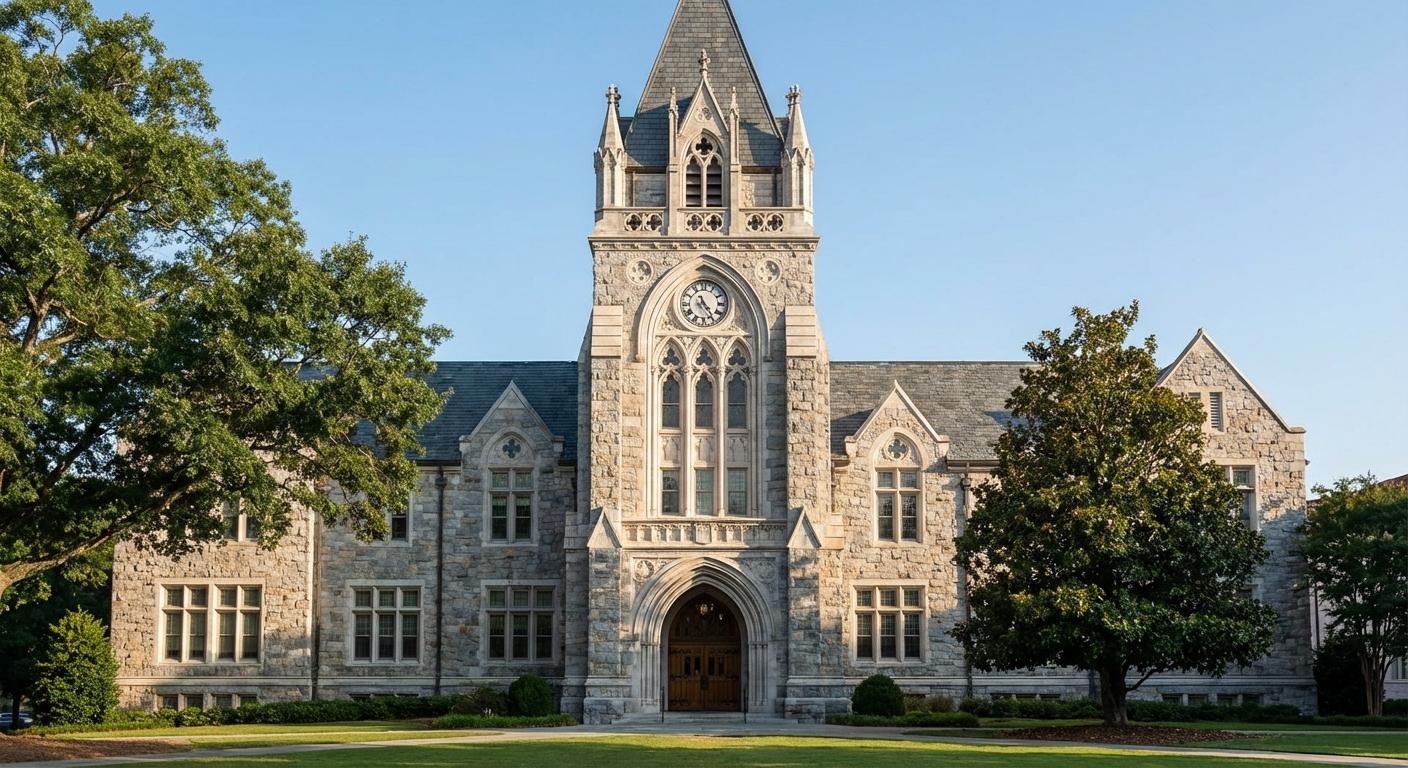
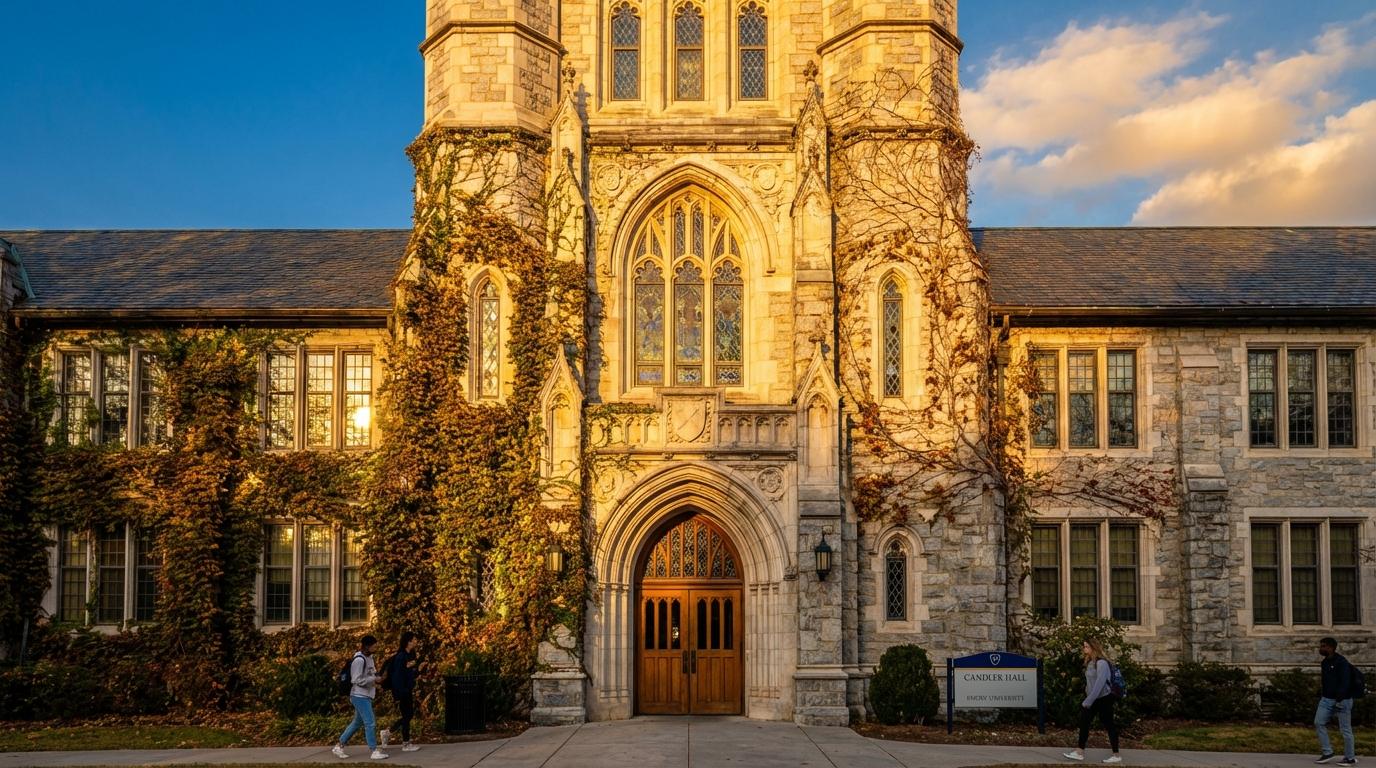


+30


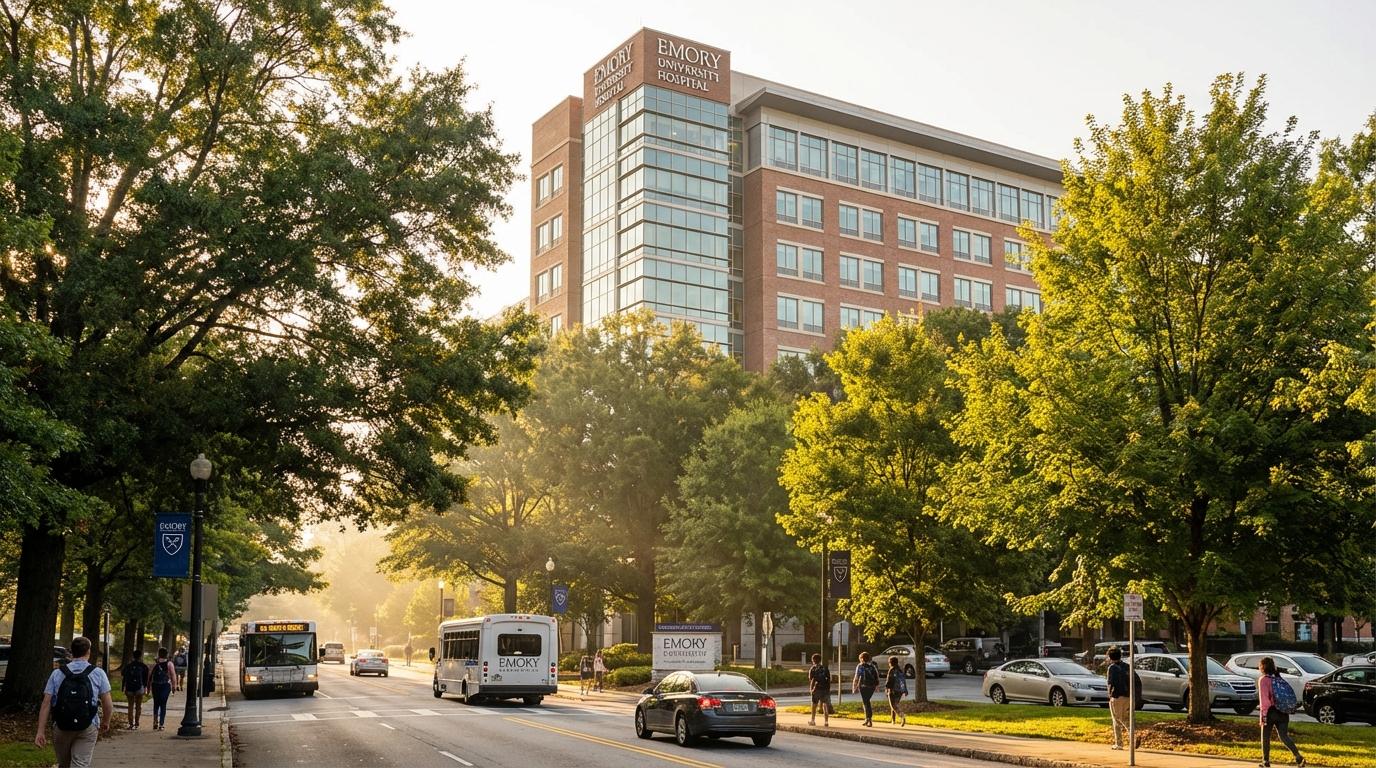
+22
Admissions
Acceptance Rate
Test Policy
Test-optional schools still weigh strong scores. Submitting can help.
Average GPA
Application Fee
Academics
Student-Faculty Ratio
Programs Offered
Full-Time Faculty
Women Faculty
Research Spending
Degree Levels Offered
Picture seminars in airy quads where your 9:1 student-faculty ratio shrinks classes to 20 souls, sparking debates on everything from neuroscience breakthroughs to Goizueta Business School's finance simulations—Emory shines brightest in health sciences, with undergrads shadowing at its top-20 med school or the adjacent CDC for epidemiology fieldwork. You'll dive into research early, whether decoding viruses in labs tied to Emory's Vaccine Center or dissecting policy at the Carter Center; the intellectual culture rewards curiosity over cutthroat competition, though pre-meds face weeding-out rigor that crushes the unprepared. Compared to Ivies, it's less theoretical, more applied—ideal if you crave real-world labs over pure theory, but the private-research intensity demands self-starters who won't fade in Atlanta's distractions.
Student Body
Total Enrollment
7,407 undergrad • 7,768 grad
Undergraduate
Graduate
International
White
34%
Black / African American
13%
Hispanic / Latino
10%
Asian
19%
Other / Multi-racial
24%
Campus Life
Campus Setting
Atlanta, GA
Varsity Athletics
NCAA Athletics
Your week pulses with morning lectures, afternoon club meets—maybe Model UN or the hip-hop crew—and evenings claiming Atlanta's scene, from BeltLine tacos to Ponce City Market's rooftop views. Traditions like Dooley's Week, where a costumed skeleton 'professor' declares impromptu holidays with secret parties, inject whimsy into the grind; residential life clusters you in themed houses fostering tight bonds, though Greek life claims 25% without dominating. The vibe skews ambitious and inclusive—60% out-of-state students mingle with Atlanta's Black cultural heartbeat—but challenges lurk: humid summers stifle outdoor hangs, a transient urban edge sparks safety apps over late-night strolls, and social tiers reward networkers while introverts hustle harder.
Housing
On-Campus Housing
Housing Capacity
Meal Plan Available
Average Room & Board
Athletics
Athletic Association
University Athletic Association
ROTC & Veteran Support
Veteran’s Programs Available
Yellow Ribbon Program (Post-9/11 GI Bill)
Yes
Recognized student veteran organization
Yes
Cost & Aid
In-State Tuition
Out-of-State Tuition
Room & Board
Estimated Cost
Financial Aid
Students Receiving Aid
Receiving Pell Grants
Average Grant
Average Federal Loan
Net Annual Cost by Household Income
Household Income
Avg. Net Cost
$0 – $30K
$9,311
$30K – $48K
$11,416
$48K – $75K
$15,486
$75K – $110K
$23,426
$110K+
$47,322
Apply for Financial Aid
Complete the FAFSA to unlock grants, scholarships, and federal loans.
Costs shown are before financial aid. Most students receive some form of aid. Complete the FAFSA to see what you qualify for.
Outcomes & Earnings
Retention Rate
96%
4 Years Graduation Rate
88%
6 Years Graduation Rate
92%
Median 10-Year Earnings
$80,137
96% of first-time, full-time students complete their freshman year at Emory University and return in the fall. 88% of first-time, full-time students graduate in 4 years, and 92% graduate within 6 years.
Graduation Rate
4-year grads
88%
4-5 years
4%
6-8 years
1%
Non-grad
7%
Let’s find your perfect tutor
Answer a few quick questions. We’ll recommend the right plan and match you with a top 5% tutor.
Emory University
College Application Planner
Turn your research into step-by-step next moves for your college goals.
Keep 1 school in your plan
Key Statistics
Type
Private
Tuition
$57,120
Acceptance
11%
Undergrads
7,407
4-Year Grad Rate
88%
Endowment
$7.1B
Atlanta, GA 30322
Explore More