Acceptance Rate
12%
Avg. SAT
1570
75th percentile
“At Carnegie Mellon, you'll hack code by day and improvise drama by night in Pittsburgh's reinvented steel-town grit.”
Pittsburgh, PA
Location
Large City
Campus Setting
Andrew Carnegie launched this place in 1900 as technical schools to arm Pittsburgh's steel-mill workers with practical skills, evolving into a full university by 1912 and merging with the Mellon Institute in 1967 to become Carnegie Mellon. You'll thrive here if you're a quirky overachiever who geeks out on puzzles—think collaborative tinkerers blending computer science with theater or robotics with public policy, not the laid-back type seeking endless sunshine. The school's personality pulses with interdisciplinary edge and no-nonsense ambition, but expect tradeoffs like a relentless pace that weeds out the uncommitted and a fragmented urban campus spread across Oakland's neighborhoods, lacking the cohesive quad feel of ivy-covered enclaves.
Pittsburgh wraps around you like a foggy embrace: a once-smoky industrial powerhouse now buzzing with tech startups, riverside trails, and affordable eats, yet its gray winters and bridge-clogged commutes demand resilience. More selective than 90% of U.S. colleges at 11% acceptance, CMU draws intense global talent but isn't for those craving rah-rah sports dominance—its Tartans compete fiercely in niche pursuits like robot soccer.
Photo Gallery


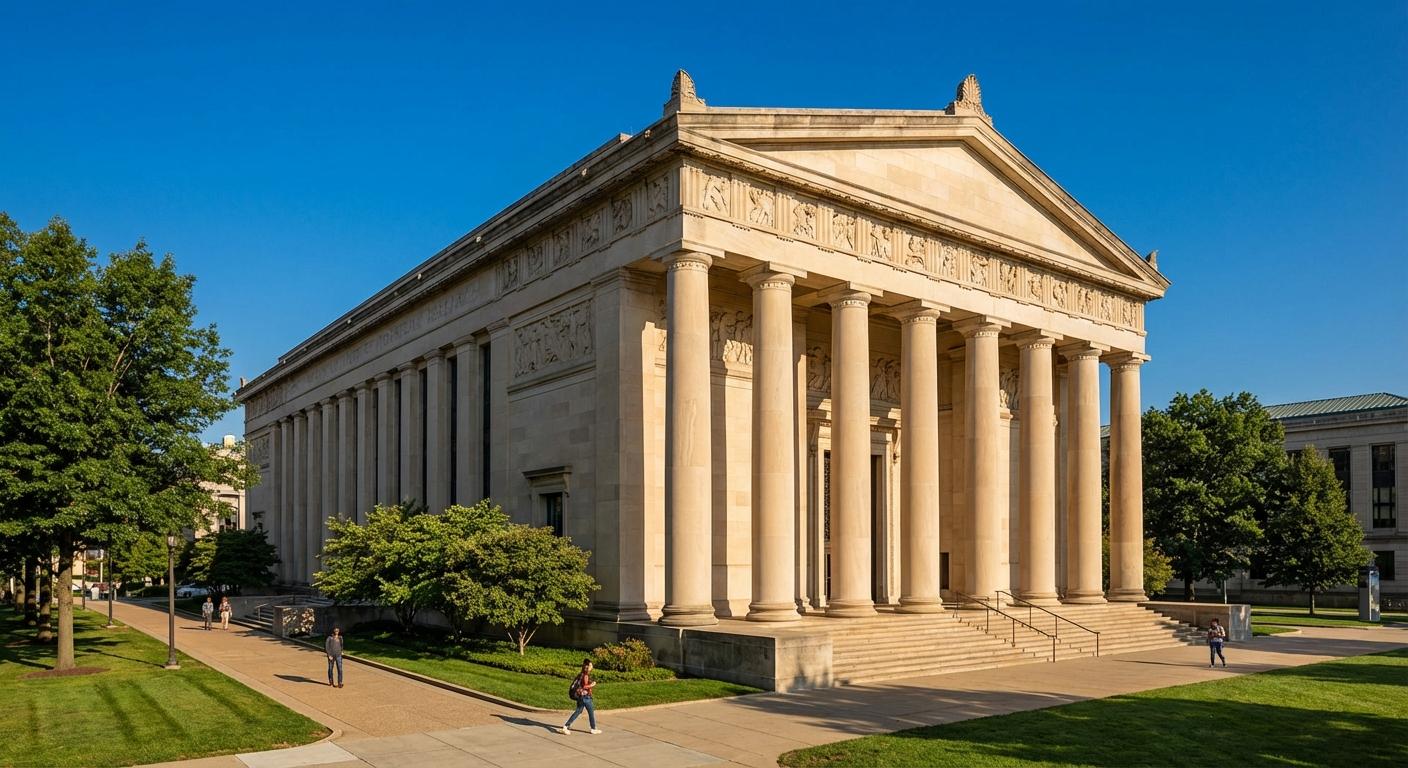
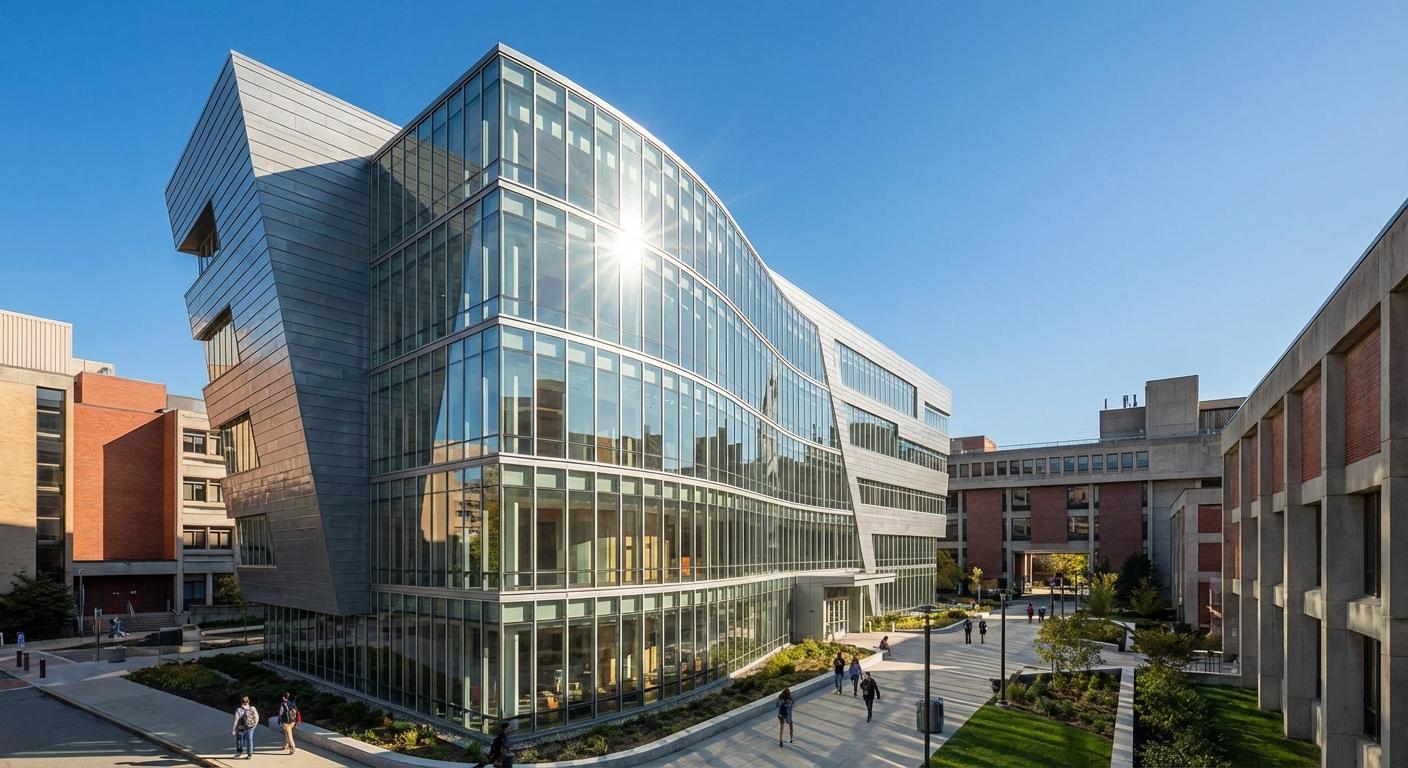
+39


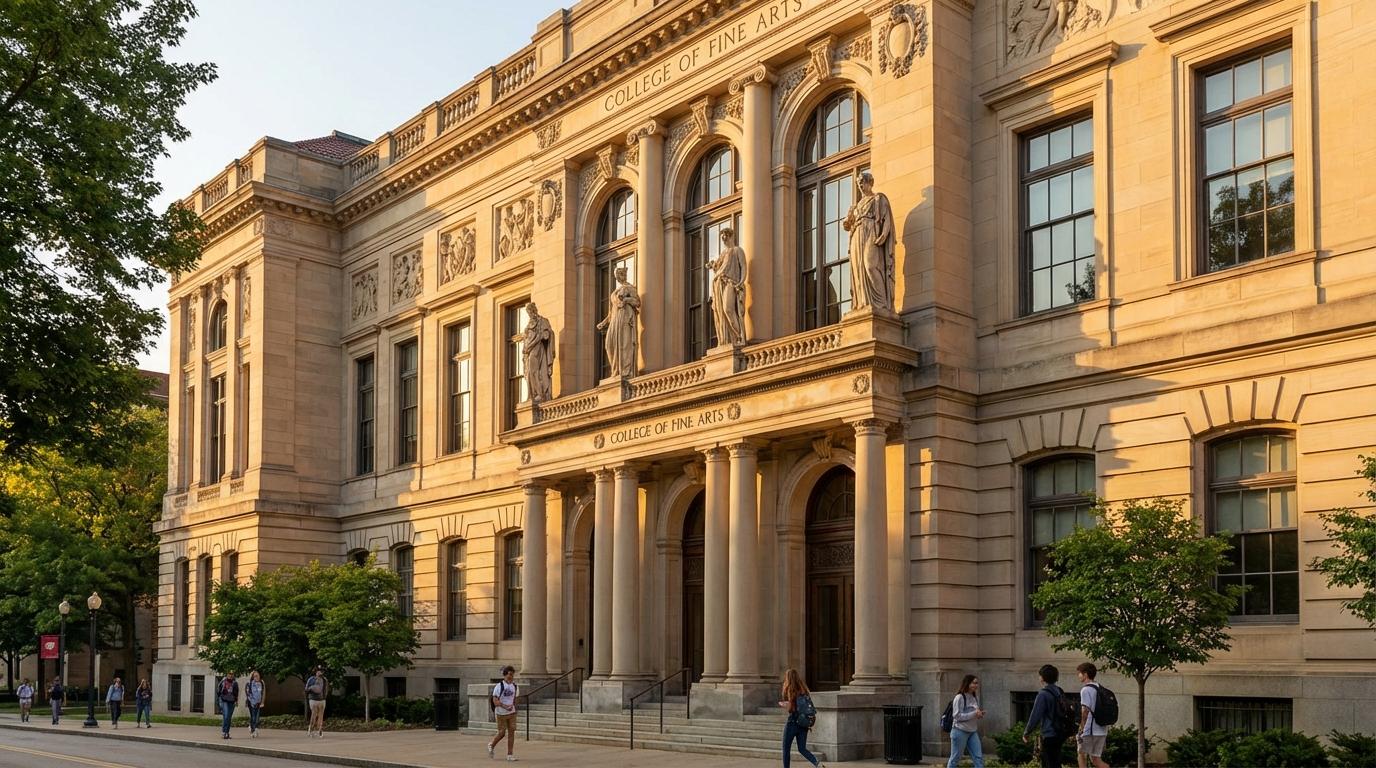


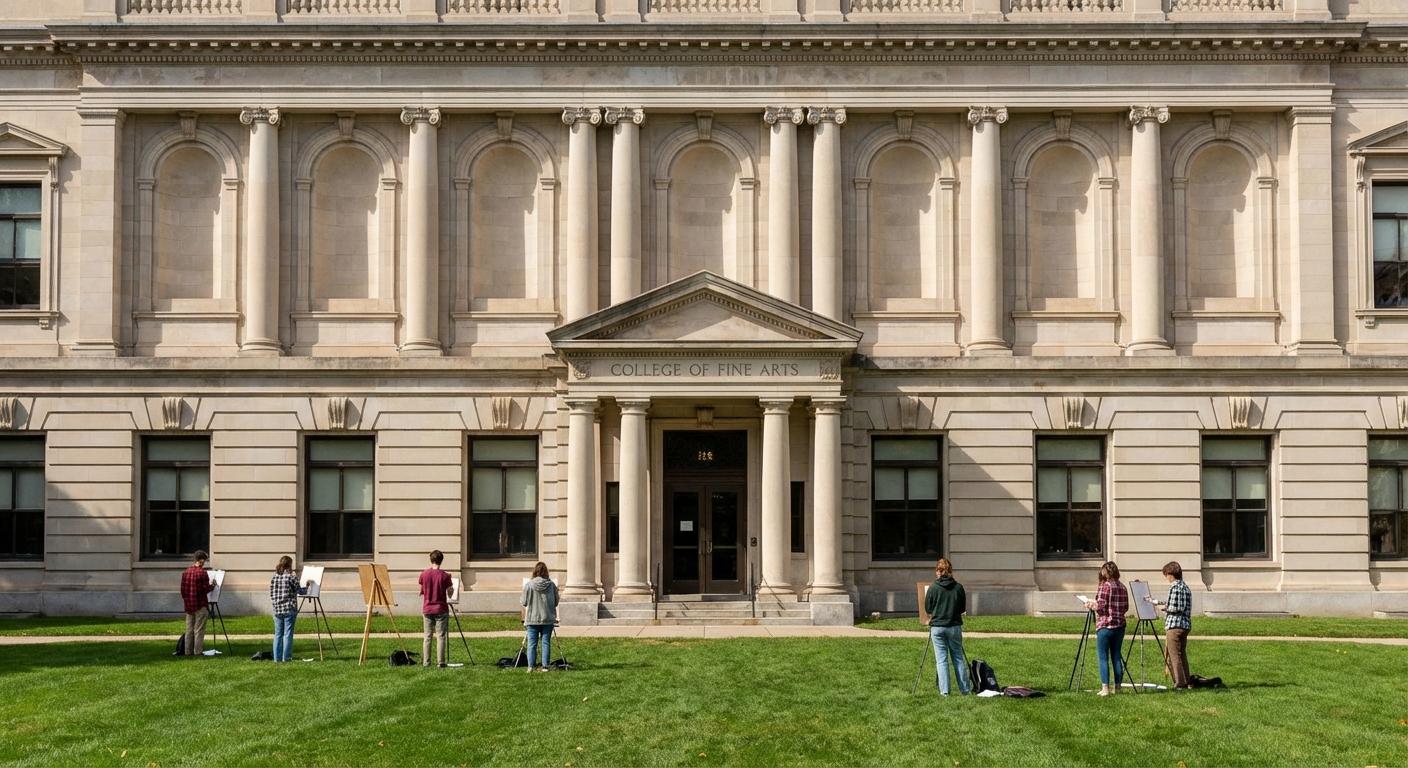
+31
Admissions
Acceptance Rate
Test Policy
Test-optional schools still weigh strong scores. Submitting can help.
Average GPA
Application Fee
Academics
Student-Faculty Ratio
Programs Offered
Full-Time Faculty
Women Faculty
Research Spending
Available Online
Degree Levels Offered
You'll dive into small seminars where professors like CS pioneer Raj Reddy challenge you to build AI from scratch, backed by a 5:1 student-faculty ratio that means real mentorship amid world-top-ranked programs in computer science (inventors of the first undergraduate CS degree), robotics (pioneering self-driving cars), and drama (where students stage avant-garde shows rivaling NYC off-Broadway). Research hits you early—undergrads snag spots in labs birthing CAPTCHA and autonomous drones—fostering a culture of late-night problem-solving sessions where failure fuels breakthroughs.
Yet the intellectual grind borders on brutal: expect 60-hour weeks blending theory with hackathons, less hand-holding than at less selective tech schools, and a tradeoff where humanities feel secondary to STEM dominance, potentially isolating non-engineers.
Student Body
Total Enrollment
7,377 undergrad • 8,511 grad
Undergraduate
Graduate
International
White
18%
Black / African American
3%
Hispanic / Latino
7%
Asian
21%
Other / Multi-racial
51%
Campus Life
Campus Setting
Pittsburgh, PA
Varsity Athletics
NCAA Athletics
A typical week kicks off with Monday morning lectures, segues into group projects fueled by campus coffee carts, and peaks in Thursday hackathons or improv jams at the Purnell Center, wrapping with Friday bar crawls along Forbes Avenue. Campus hums with 300-plus clubs—from Mobots robotics battles to Bagpipe Guild jams—where you'll bond over shared obsessions in dorms featuring themed floors like Cyber Security or Substance-Free. Traditions like Spring Carnival's wild booth-building contests (think human-powered helicopters) inject chaos into the intensity, but social dynamics skew nerdy-awkward, with cliques forming around majors and weekends often quiet if you're not into Pittsburgh's dive bars or Penguins games.
Residential life clusters in modern high-rises and quirky old halls across a hilly, walkable-but-rain-slicked urban expanse, fostering tight-knit vibes yet challenging for introverts amid the pressure cooker. Pittsburgh's revitalized scene offers Primanti Bros. sandwiches and river kayaking, but brutal slushy winters and a transient vibe test your grit—no tropical paradise here.
Housing
On-Campus Housing
Housing Capacity
Meal Plan Available
Average Room & Board
Athletics
Athletic Association
University Athletic Association
ROTC & Veteran Support
Army
Yes
Navy
Yes
Air Force
Yes
Veteran’s Programs Available
Yellow Ribbon Program (Post-9/11 GI Bill)
Yes
Dedicated point of contact for veteran support services
Yes
Recognized student veteran organization
Yes
Member of DoD Voluntary Educational Partnership MOU
Yes
Cost & Aid
In-State Tuition
Out-of-State Tuition
Room & Board
Estimated Cost
Financial Aid
Students Receiving Aid
Receiving Pell Grants
Average Grant
Average Federal Loan
Net Annual Cost by Household Income
Household Income
Avg. Net Cost
$0 – $30K
$14,879
$30K – $48K
$18,424
$48K – $75K
$22,758
$75K – $110K
$30,955
$110K+
$54,338
Apply for Financial Aid
Complete the FAFSA to unlock grants, scholarships, and federal loans.
Costs shown are before financial aid. Most students receive some form of aid. Complete the FAFSA to see what you qualify for.
Outcomes & Earnings
Retention Rate
98%
4 Years Graduation Rate
77%
6 Years Graduation Rate
89%
Median 10-Year Earnings
$114,862
98% of first-time, full-time students complete their freshman year at Carnegie Mellon University and return in the fall. 77% of first-time, full-time students graduate in 4 years, and 89% graduate within 6 years.
Graduation Rate
4-year grads
77%
4-5 years
12%
6-8 years
1%
Non-grad
10%
Let’s find your perfect tutor
Answer a few quick questions. We’ll recommend the right plan and match you with a top 5% tutor.
Carnegie Mellon University
College Application Planner
Turn your research into step-by-step next moves for your college goals.
Keep 1 school in your plan
Key Statistics
Type
Private
Tuition
$59,864
Acceptance
12%
Undergrads
7,377
4-Year Grad Rate
77%
Endowment
$3.3B
Pittsburgh, PA 15213-3890