Acceptance Rate
95%
Avg. SAT
1350
75th percentile
“Nashville's faith-rooted university blending top-tier music training with business savvy and city access.”
Nashville, TN
Location
Large City
Campus Setting
You'll thrive if you seek a close-knit vibe with professional polish, but might find the required religious elements and higher tuition—around $38,000 annually—a stretch if secular academics or budget are priorities. Nashville offers endless live music and internships, yet its rising cost of living and summer humidity add practical challenges to off-campus life. Proximity to Music Row means easy industry networking, though traffic can complicate commuting.
Photo Gallery

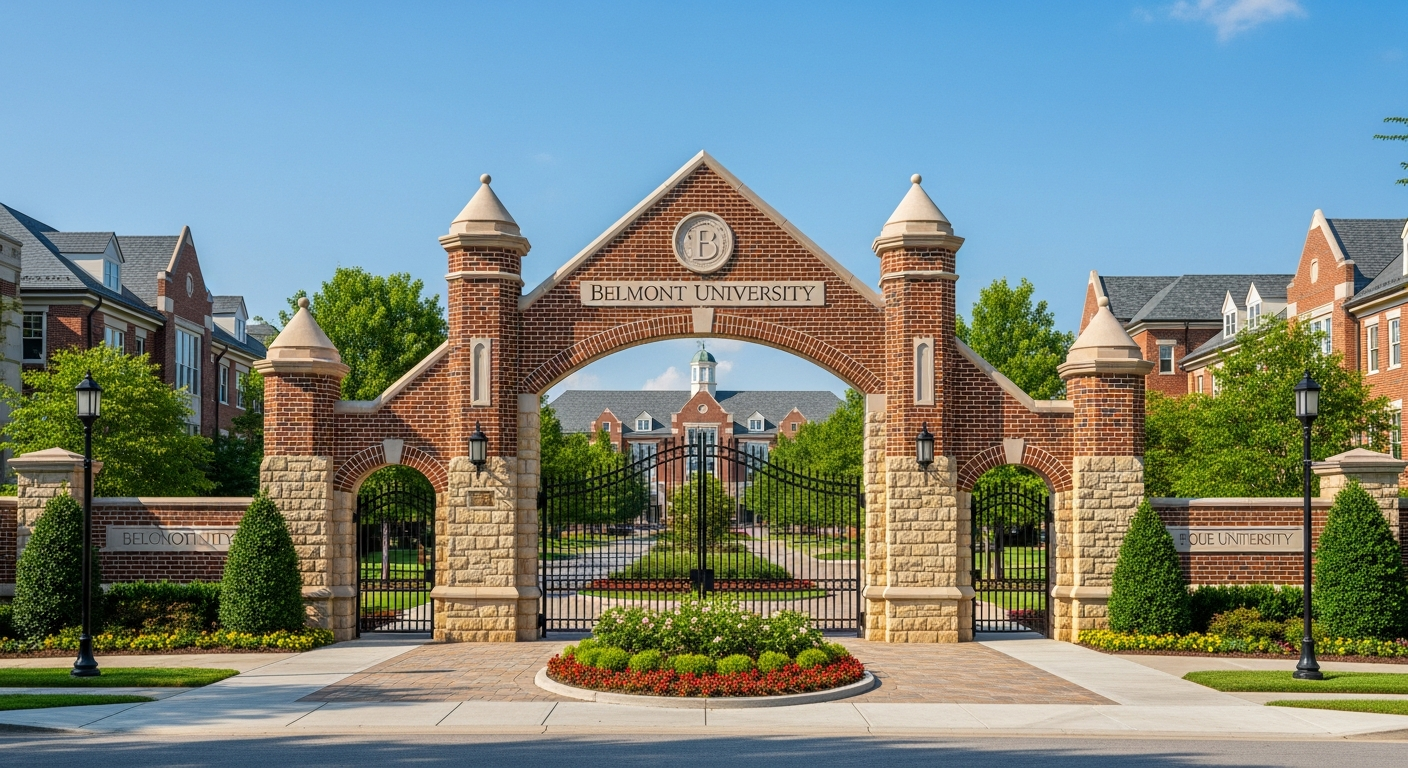
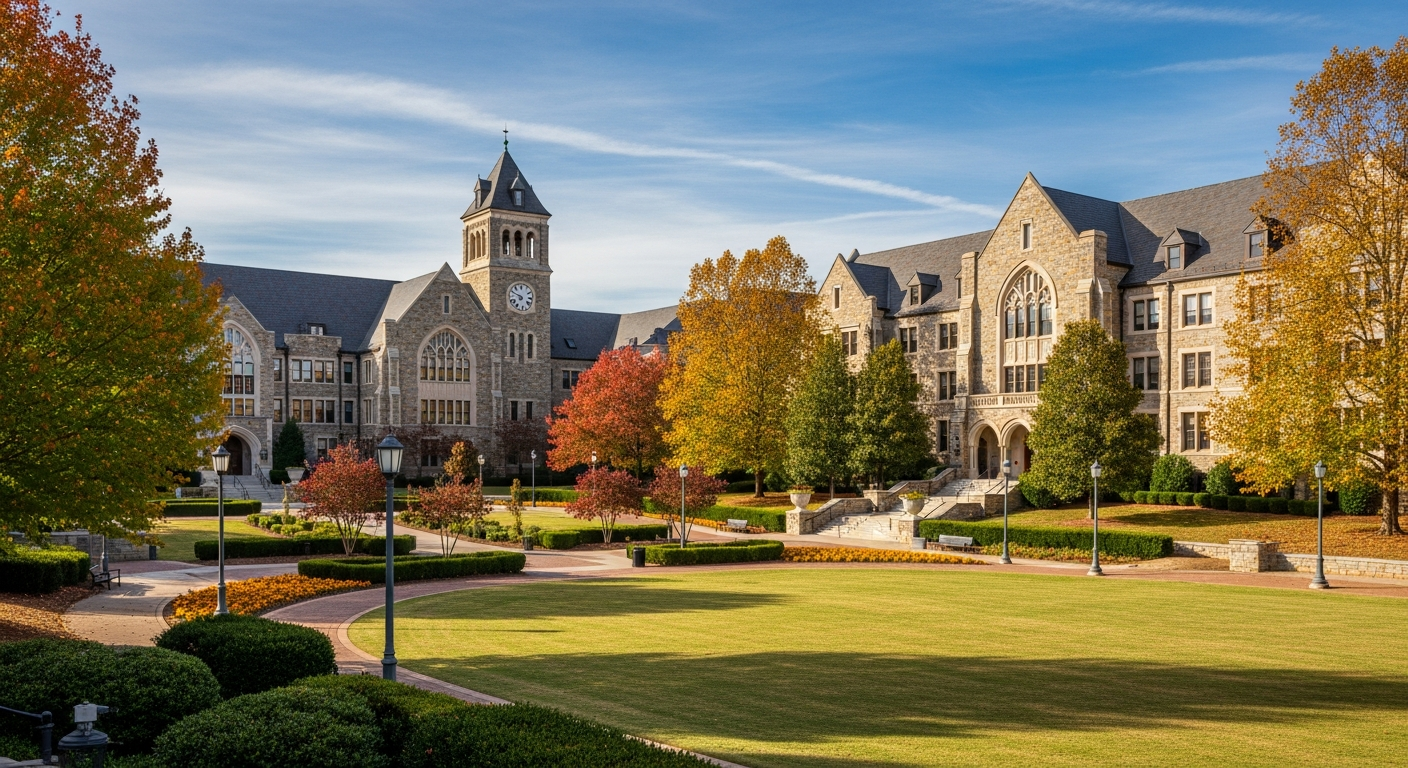

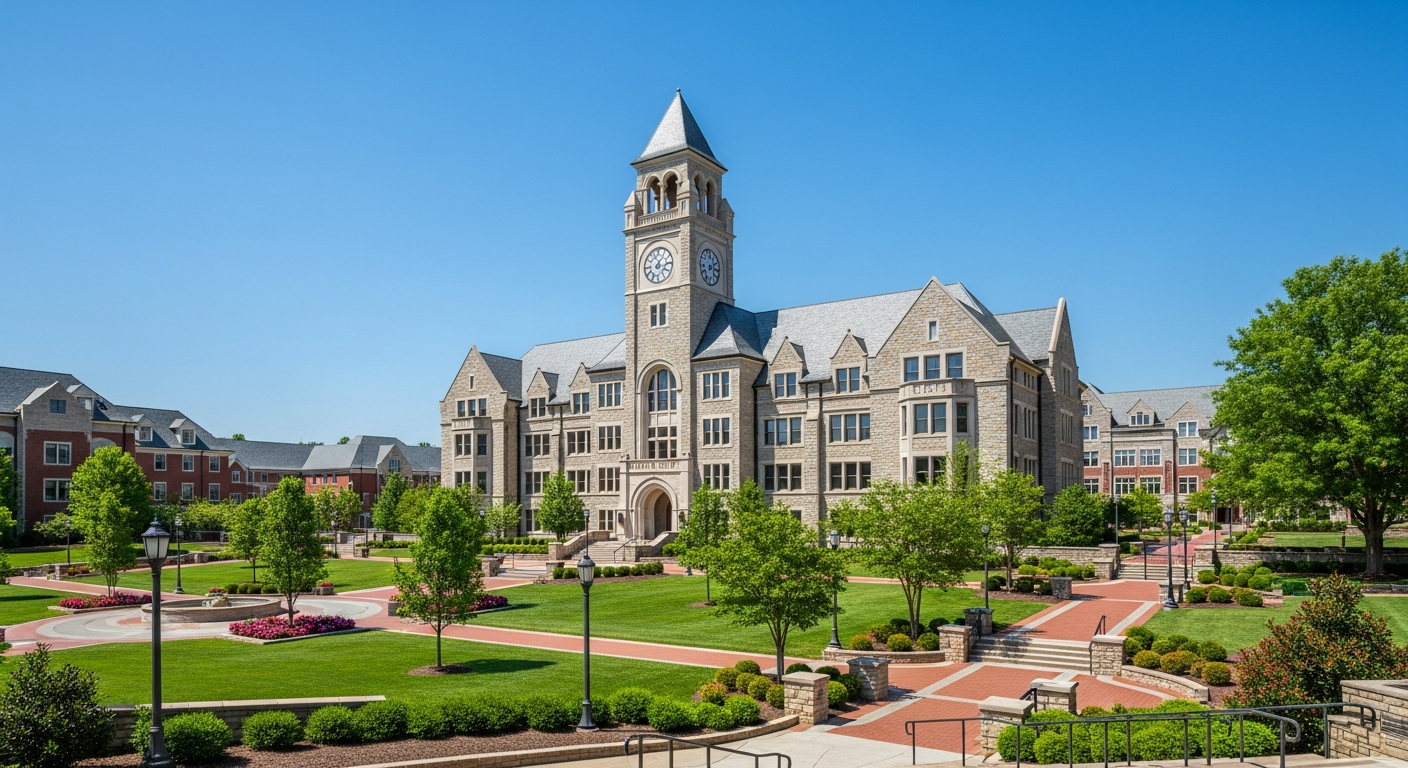
+10

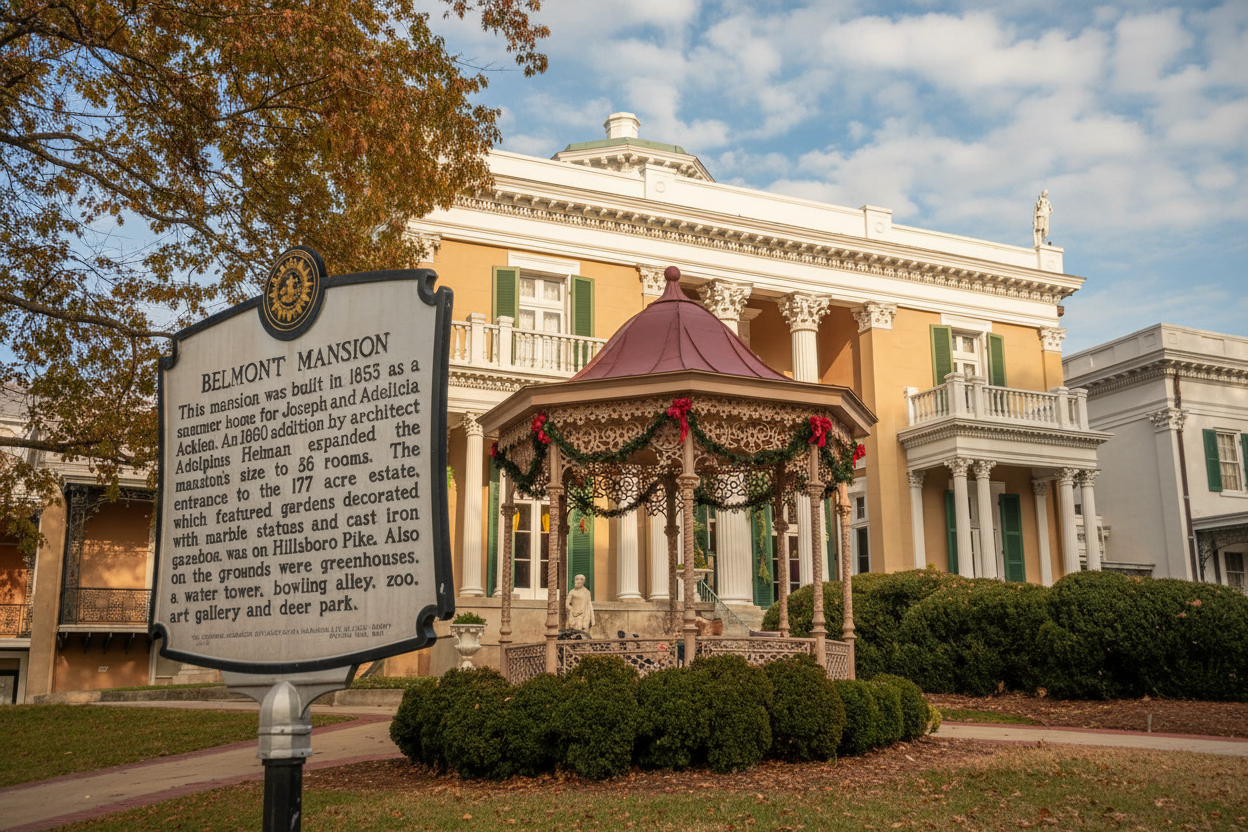
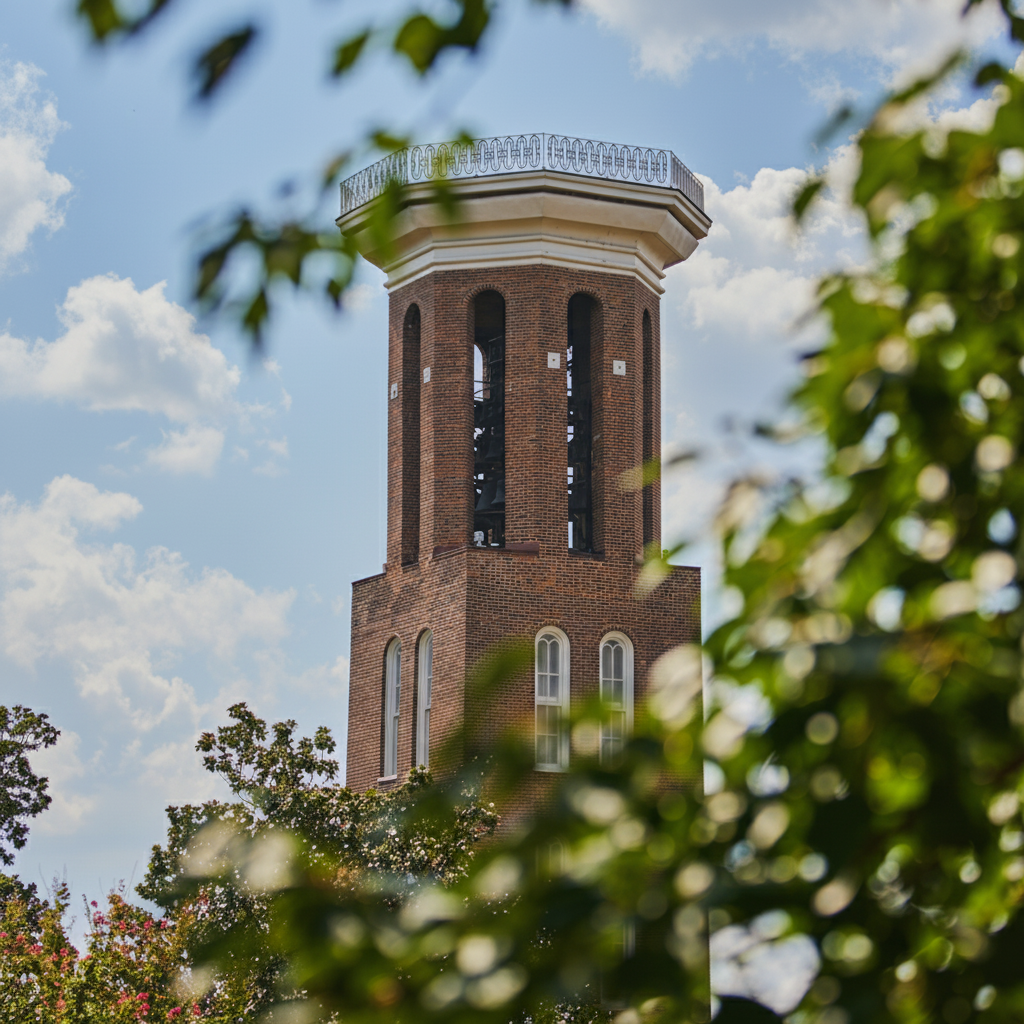
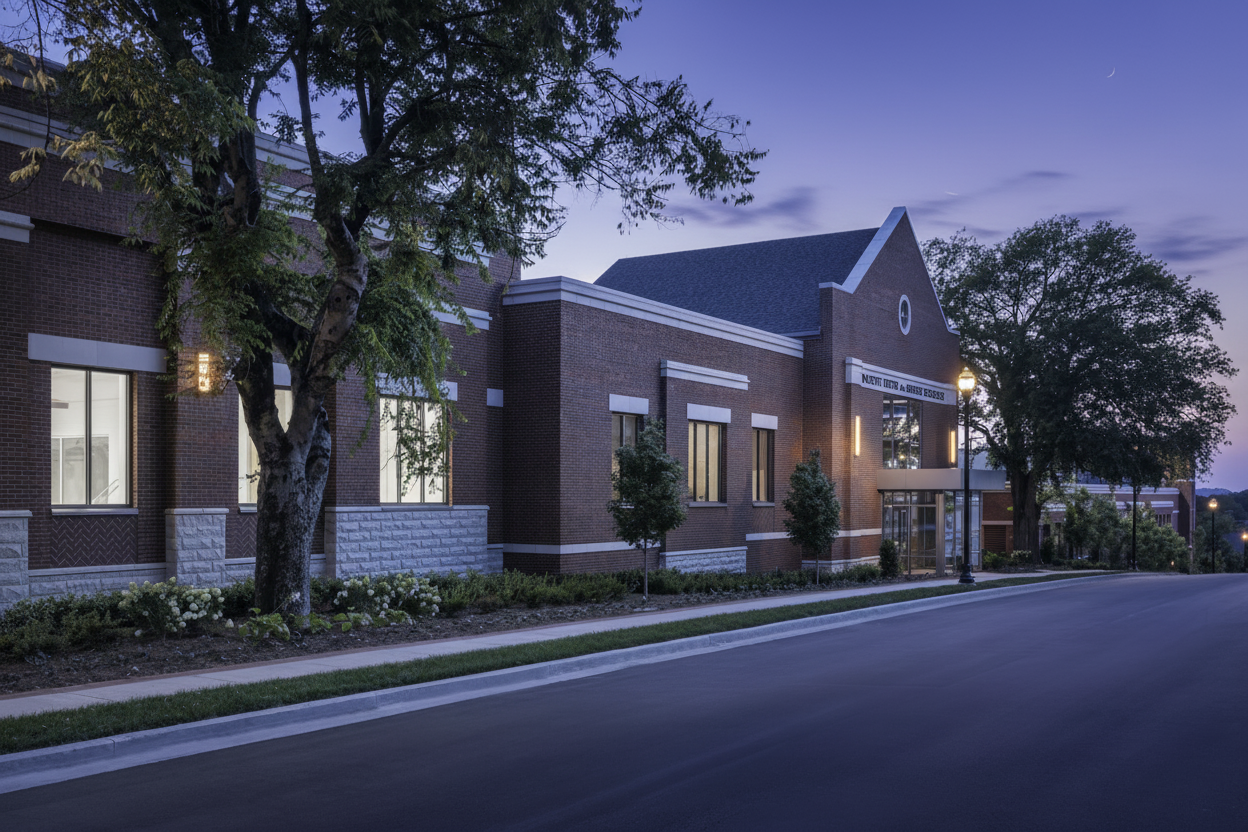


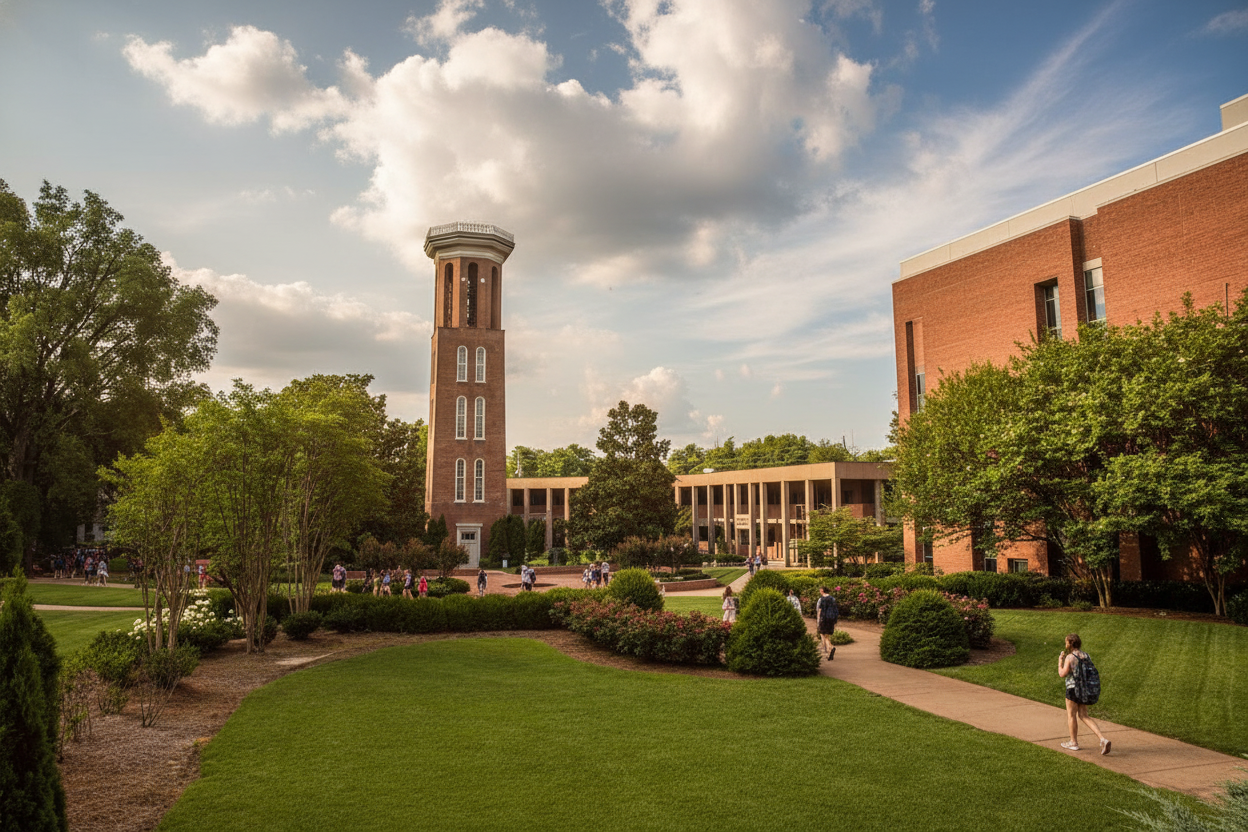
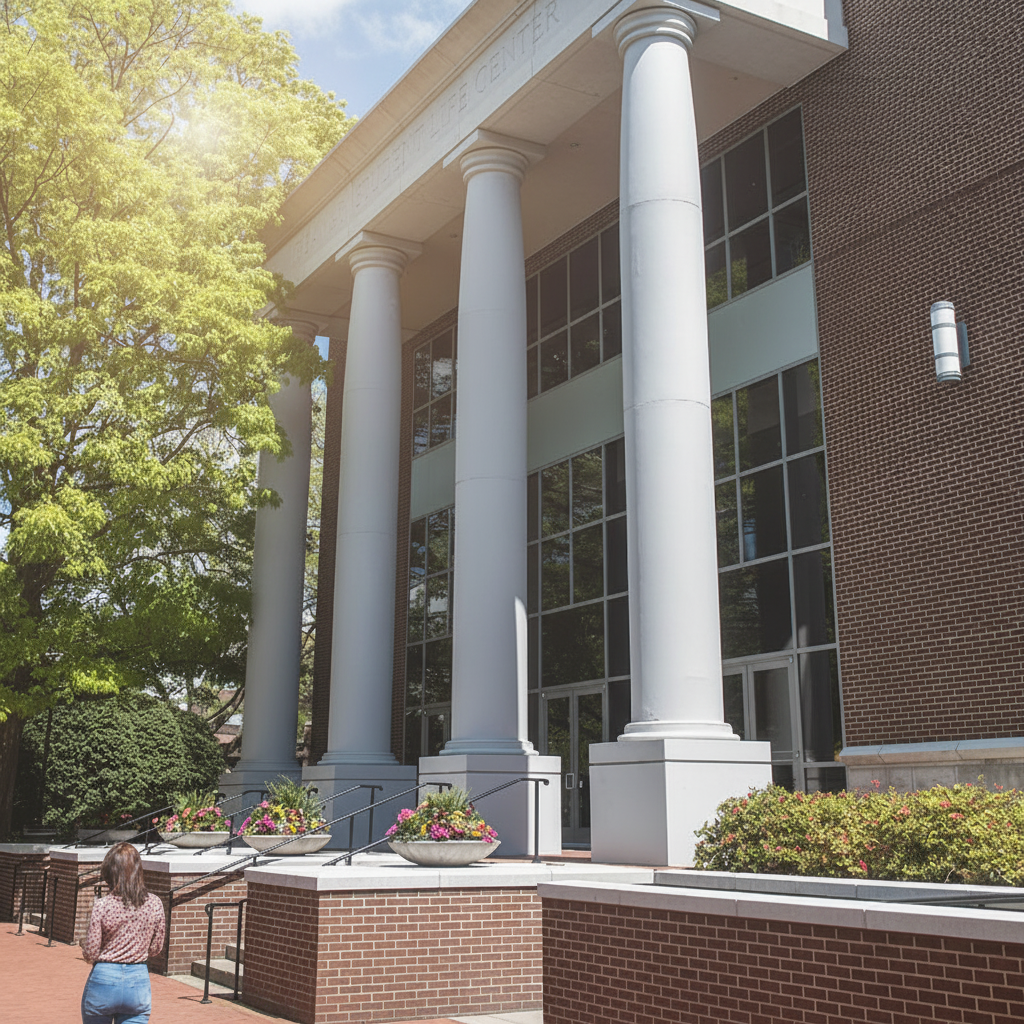
+2
Admissions
Acceptance Rate
Test Policy
Test-optional schools still weigh strong scores. Submitting can help.
Average GPA
Application Fee
Academics
Student-Faculty Ratio
Programs Offered
Full-Time Faculty
Women Faculty
Research Spending
Available Online
Degree Levels Offered
Faculty prioritize teaching over research, creating a supportive space for questions, though research opportunities exist mainly for grad students or music theses. The intellectual culture rewards initiative—expect group work mimicking Nashville collaborations—but competitive internal transfers to high-demand programs like music business require solid grades.
Student Body
Total Enrollment
7,175 undergrad • 1,628 grad
Undergraduate
Graduate
International
White
75%
Black / African American
6%
Hispanic / Latino
9%
Asian
3%
Other / Multi-racial
7%
Campus Life
Campus Setting
Nashville, TN
Varsity Athletics
NCAA Athletics
A typical week mixes classes, rehearsals, and city outings to honky-tonks or Bridgestone Arena concerts, though the dry county status nearby means social scenes stay tame or venture downtown. The vibe feels purposeful rather than party-heavy, suiting focused students, but introverts might need effort to break into cliques, and hot, humid summers test outdoor enthusiasm.
Housing
On-Campus Housing
Housing Capacity
Meal Plan Available
Average Room & Board
Athletics
Athletic Association
Missouri Valley Conference
ROTC & Veteran Support
Army
Yes
Navy
Yes
Air Force
Yes
Veteran’s Programs Available
Yellow Ribbon Program (Post-9/11 GI Bill)
Yes
Credit for military training
Yes
Dedicated point of contact for veteran support services
Yes
Recognized student veteran organization
Yes
Member of DoD Voluntary Educational Partnership MOU
Yes
Cost & Aid
In-State Tuition
Out-of-State Tuition
Room & Board
Estimated Cost
Financial Aid
Students Receiving Aid
Receiving Pell Grants
Average Grant
Average Federal Loan
Net Annual Cost by Household Income
Household Income
Avg. Net Cost
$0 – $30K
$19,332
$30K – $48K
$24,109
$48K – $75K
$26,446
$75K – $110K
$30,141
$110K+
$40,966
Apply for Financial Aid
Complete the FAFSA to unlock grants, scholarships, and federal loans.
Costs shown are before financial aid. Most students receive some form of aid. Complete the FAFSA to see what you qualify for.
Outcomes & Earnings
Retention Rate
87%
4 Years Graduation Rate
62%
6 Years Graduation Rate
71%
Median 10-Year Earnings
$55,930
87% of first-time, full-time students complete their freshman year at Belmont University and return in the fall. 62% of first-time, full-time students graduate in 4 years, and 71% graduate within 6 years.
Graduation Rate
4-year grads
62%
4-6 years
9%
Non-grad
29%
Let’s find your perfect tutor
Answer a few quick questions. We’ll recommend the right plan and match you with a top 5% tutor.
Key Statistics
Type
Private
Tuition
$38,000
Acceptance
95%
Undergrads
7,175
4-Year Grad Rate
62%
Endowment
$288M
Nashville, TN 37212-3757
Explore More