Acceptance Rate
77%
“Barry University blends a close-knit community with Miami's vibrant energy for a faith-inspired, service-driven education.”
Miami, FL
Location
Nestled in Miami Shores, just a short drive from the bustling heart of Miami, Barry University stands out as a private Catholic institution founded in 1940 by the Adrian Dominican Sisters. Its mission has always centered on service, social justice, and providing access to education for students from varied backgrounds. With a modest undergraduate enrollment of around 3,830, Barry feels more personal than many larger universities, fostering a tight community where students often form lasting connections with peers and faculty. The school carries a distinct warmth, shaped by its faith-based roots, which infuse campus life with a sense of purpose and ethical grounding.
Barry attracts students who value a supportive environment and want to make a tangible difference in their communities. If you’re someone who thrives in smaller settings, appreciates mentorship, and seeks a balance between academics and personal growth, you’ll likely feel at home here. The surrounding Miami area adds a layer of excitement, with its cultural diversity, beaches, and endless entertainment options, though the cost of living off-campus can stretch budgets thin. On the flip side, students looking for a highly competitive academic atmosphere or a sprawling, traditional college-town experience might find Barry’s more intimate, less research-intensive vibe a bit limiting.
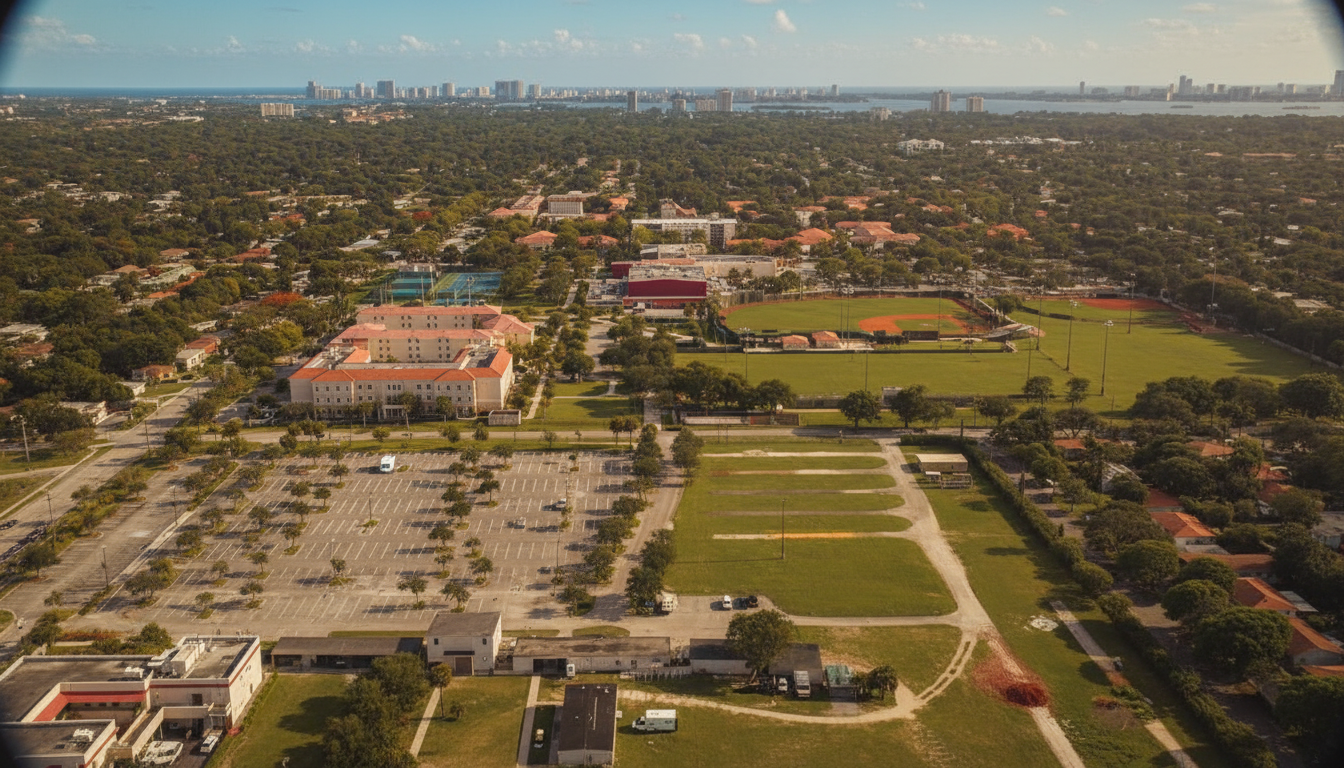
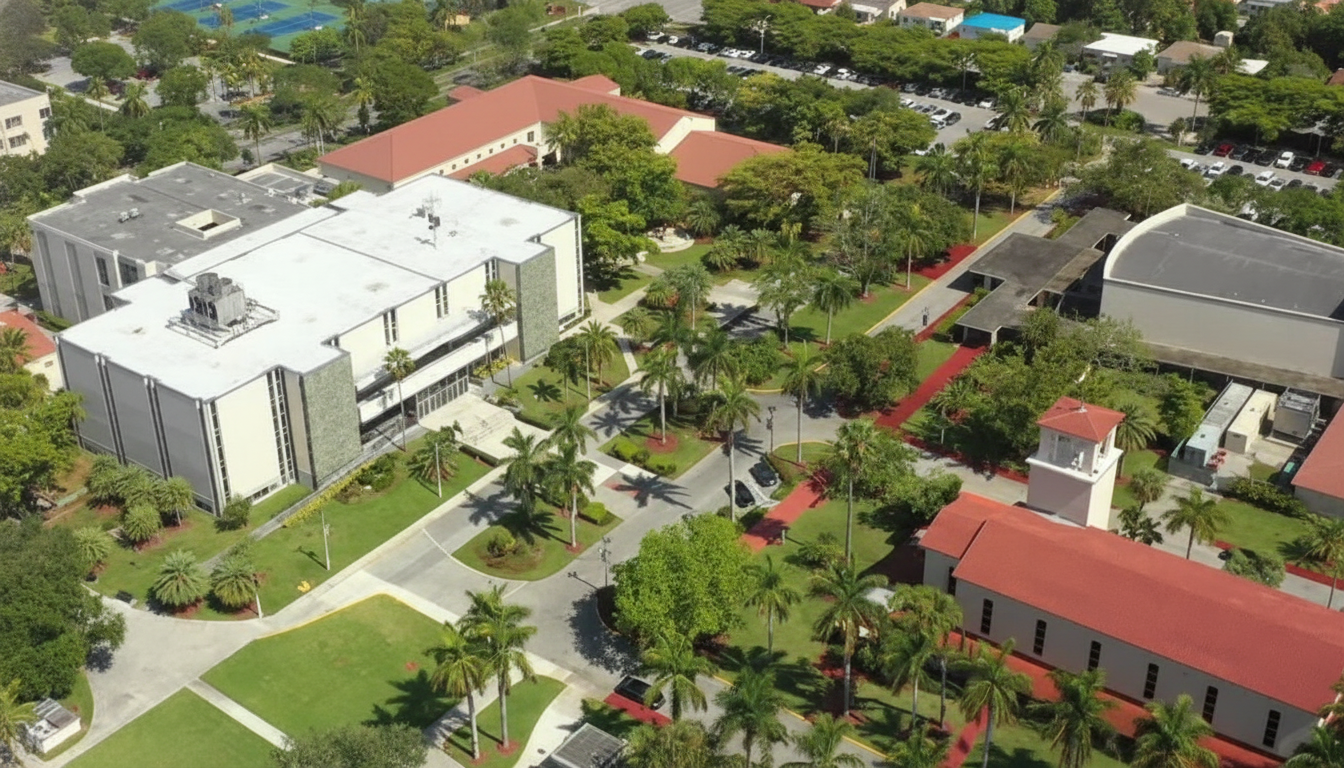
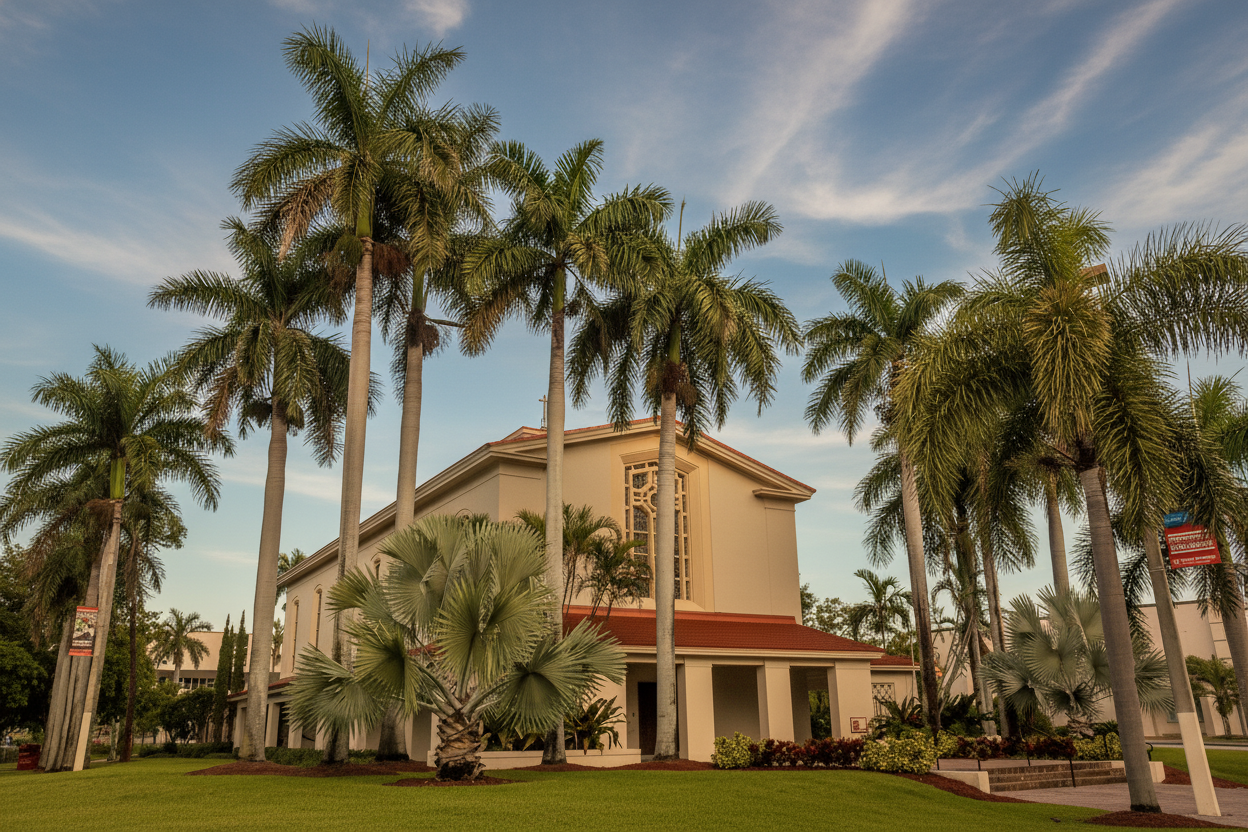
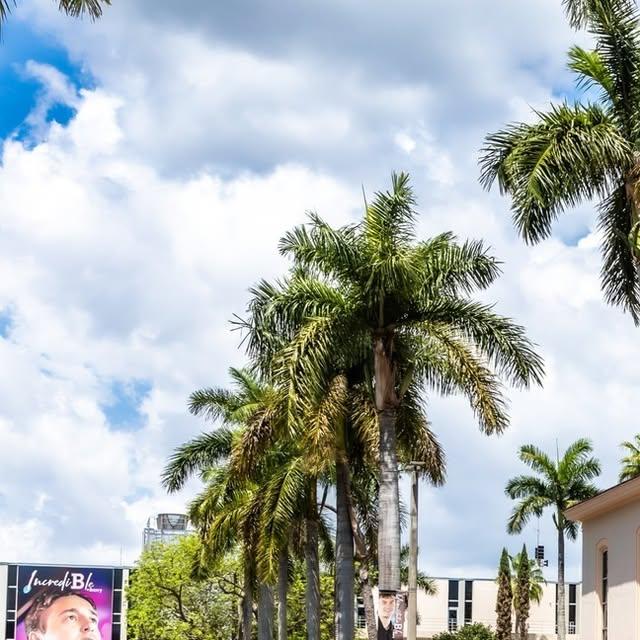
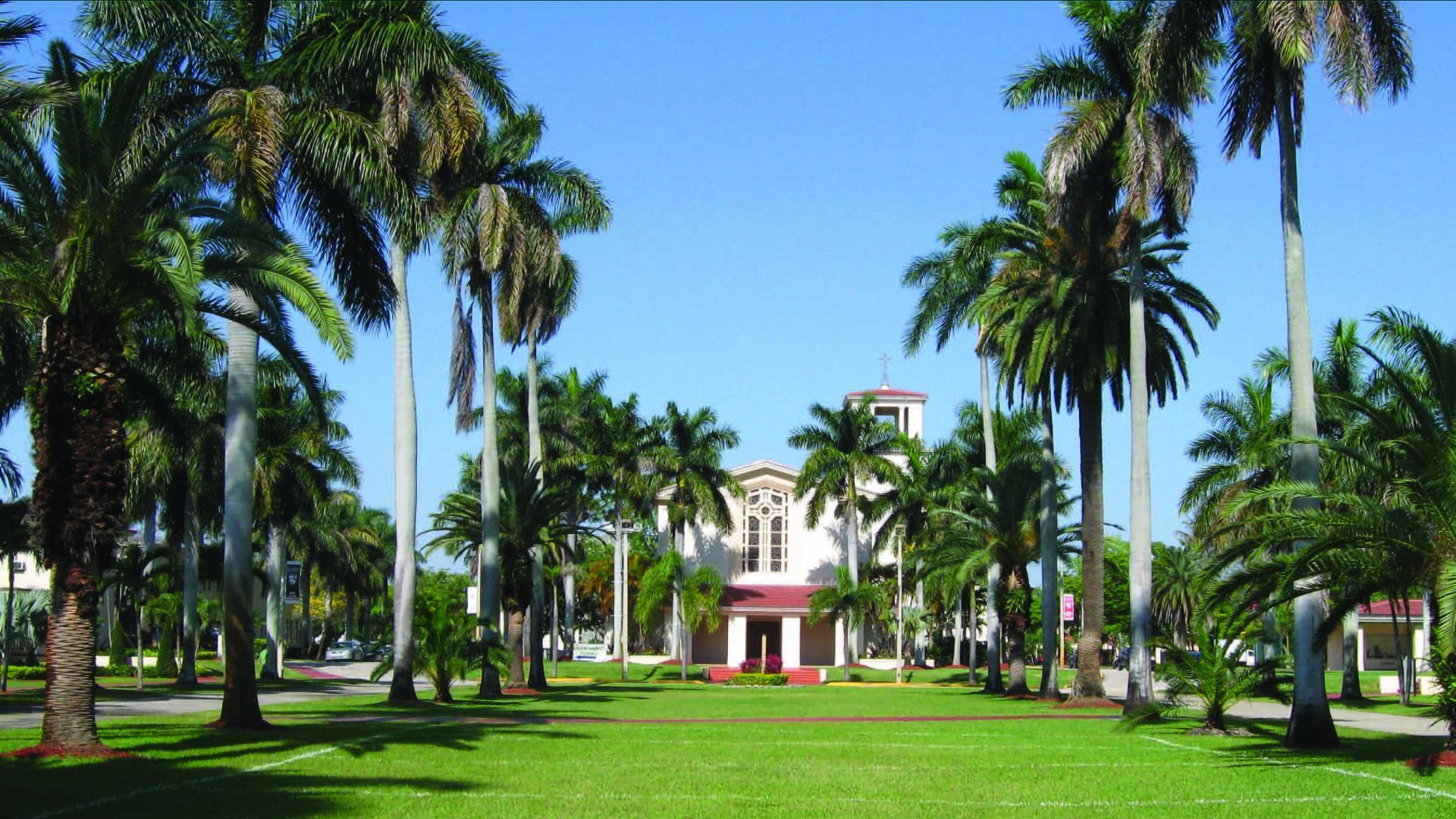
The campus itself mirrors South Florida’s tropical charm, with palm trees and sunny courtyards creating a relaxed backdrop for student life. While Barry isn’t as widely recognized as some of Florida’s bigger universities, its commitment to underserved populations and its focus on holistic education give it a unique identity. Keep in mind that the smaller size means fewer resources compared to larger schools, and some may feel the faith-based atmosphere shapes campus policies and culture more than they’d prefer.
Photo Gallery


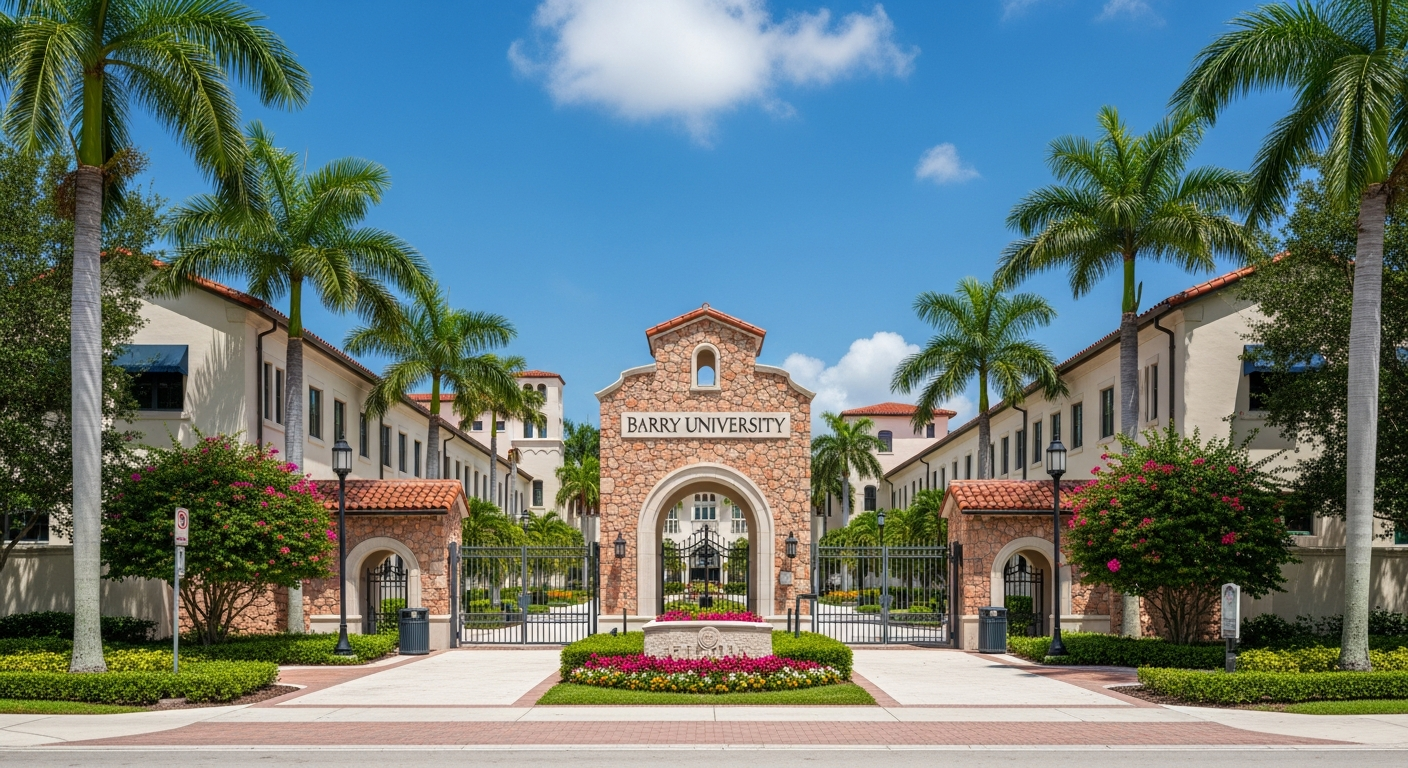
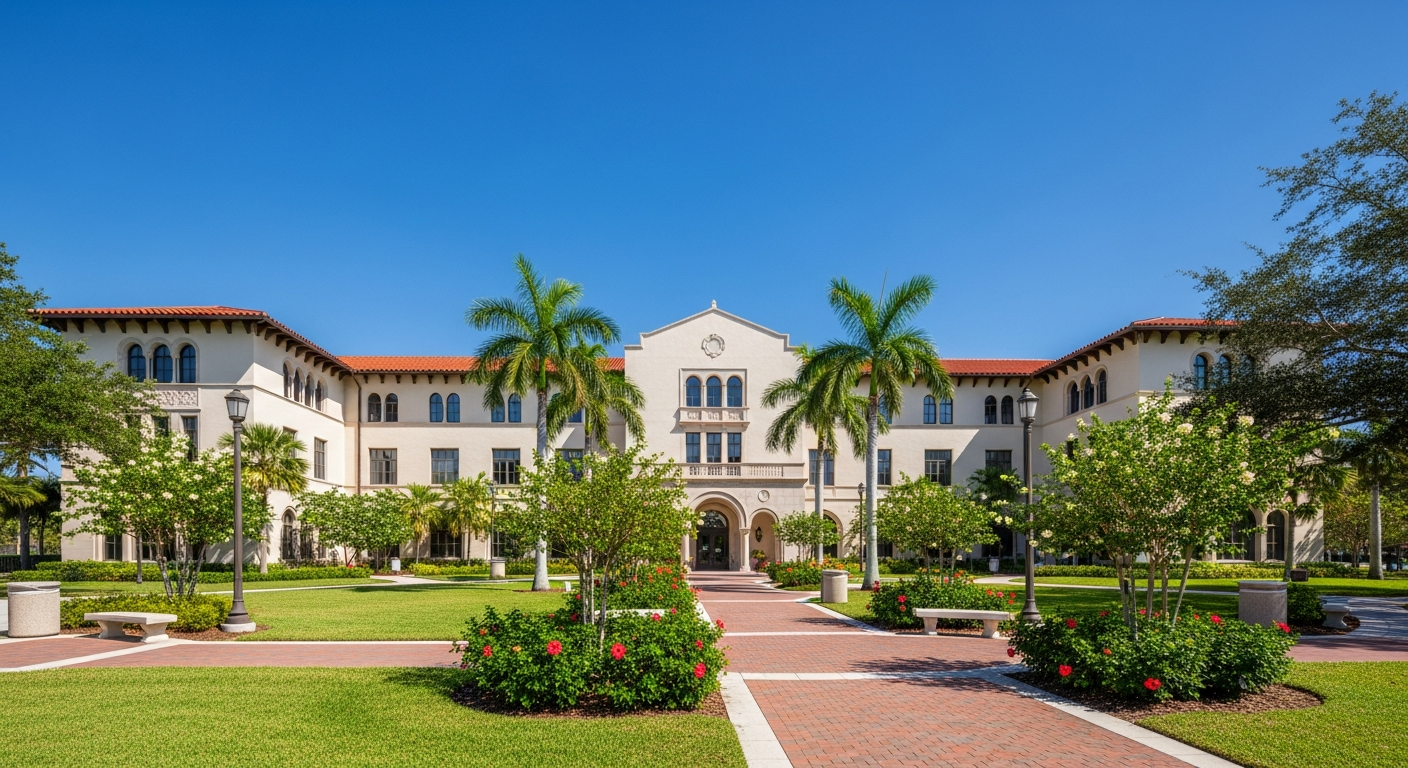
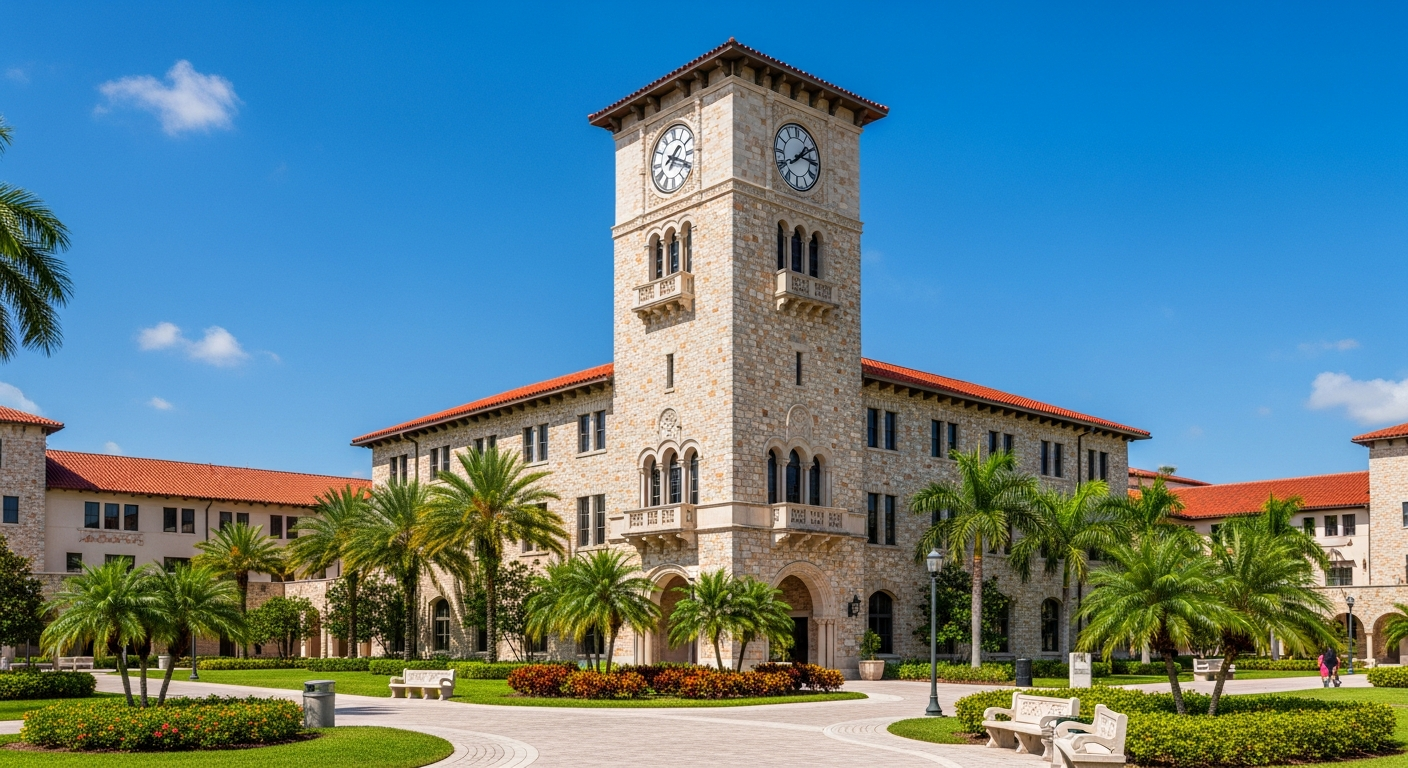
+13

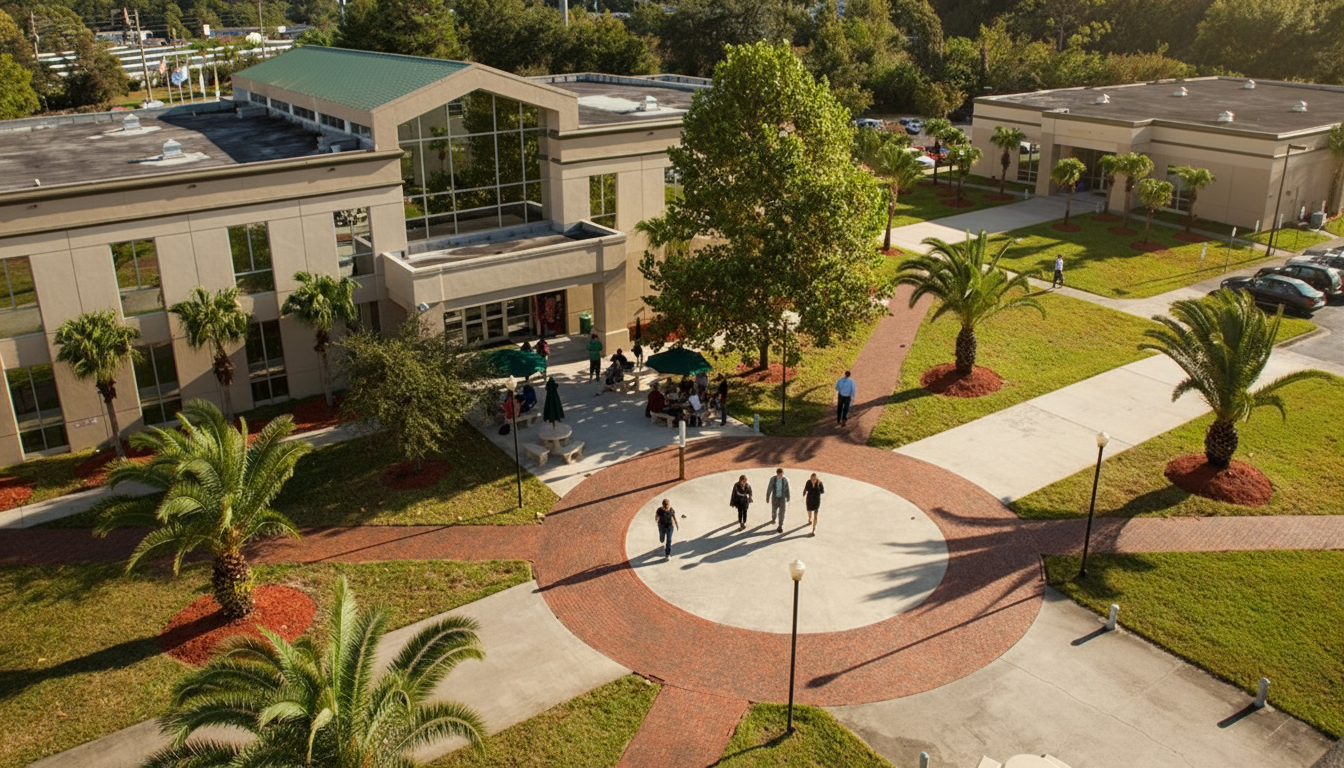

+5
Admissions
Acceptance Rate
Test Policy
Test-optional schools still weigh strong scores. Submitting can help.
Application Fee
Academics
Student-Faculty Ratio
Programs Offered
Full-Time Faculty
Women Faculty
Research Spending
Degree Levels Offered
Barry University shines in programs that prepare students for hands-on, service-oriented careers, particularly in nursing, education, and social work. The School of Nursing and Health Sciences stands out, with a strong reputation for training compassionate healthcare professionals through rigorous clinical experiences in Miami’s diverse medical settings. You’ll find a curriculum that often weaves ethical considerations and community impact into coursework, reflecting the university’s mission. Classes tend to be smaller, especially in upper-level courses, allowing for more direct interaction with professors who prioritize teaching over research.
That said, Barry isn’t a research powerhouse, so if you’re aiming for cutting-edge labs or extensive graduate-level opportunities, you might feel constrained. Introductory courses can sometimes feel crowded, and access to certain specialized programs or resources may be limited compared to larger institutions. Still, the academic environment encourages personal growth, with faculty often acting as mentors, and you can expect a learning experience that values real-world application over theoretical depth in many fields.
Student Body
Total Enrollment
3,232 undergrad • 3,593 grad
Undergraduate
Graduate
International
White
24%
Black / African American
26%
Hispanic / Latino
32%
Asian
4%
Other / Multi-racial
15%
Campus Life
Varsity Athletics
NCAA Athletics
Campus life at Barry University hums with a friendly, inclusive energy, shaped by its smaller size and faith-driven ethos. Students often balance academics with community service projects, reflecting the school’s emphasis on giving back, and you’ll find plenty of events like volunteer drives or spiritual retreats woven into the rhythm of a typical week. Traditions, such as the annual Feast of St. Dominic celebration, honor the university’s Dominican heritage with gatherings that blend reflection and festivity. The social scene leans more toward low-key hangouts and campus-organized activities than a dominant party culture, though Miami’s nightlife is just a short trip away for those seeking it.
Living on campus offers a cozy, community feel, with residence halls fostering close friendships, though housing options are limited and some students opt for off-campus apartments due to space constraints. The South Florida weather is a major perk—think year-round warmth and sunshine—but the humidity and occasional hurricane threats can be a challenge to adjust to. While the campus itself is a quieter oasis, the high cost of living in the Miami area can weigh on students managing tight budgets, especially if you’re exploring the city’s attractions frequently.
Housing
On-Campus Housing
Housing Capacity
Meal Plan Available
Average Room & Board
Athletics
Athletic Association
Sunshine State Conference
ROTC & Veteran Support
Army
Yes
Navy
No
Air Force
Yes
Veteran’s Programs Available
Yellow Ribbon Program (Post-9/11 GI Bill)
Yes
Credit for military training
Yes
Dedicated point of contact for veteran support services
Yes
Member of DoD Voluntary Educational Partnership MOU
Yes
Cost & Aid
In-State Tuition
Out-of-State Tuition
Room & Board
Estimated Cost
Financial Aid
Students Receiving Aid
Receiving Pell Grants
Average Grant
Average Federal Loan
Net Annual Cost by Household Income
Household Income
Avg. Net Cost
$0 – $30K
$15,787
$30K – $48K
$15,400
$48K – $75K
$17,848
$75K – $110K
$21,225
$110K+
$23,787
Apply for Financial Aid
Complete the FAFSA to unlock grants, scholarships, and federal loans.
Costs shown are before financial aid. Most students receive some form of aid. Complete the FAFSA to see what you qualify for.
Outcomes & Earnings
Retention Rate
63%
4 Years Graduation Rate
36%
6 Years Graduation Rate
45%
Median 10-Year Earnings
$55,966
63% of first-time, full-time students complete their freshman year at Barry University and return in the fall. 36% of first-time, full-time students graduate in 4 years, and 45% graduate within 6 years.
Graduation Rate
4-year grads
36%
4-5 years
9%
6-8 years
1%
Non-grad
54%
Let’s find your perfect tutor
Answer a few quick questions. We’ll recommend the right plan and match you with a top 5% tutor.
Barry University
College Application Planner
Turn your research into step-by-step next moves for your college goals.
Keep 1 school in your plan
Key Statistics
Type
Private
Tuition
$32,000
Acceptance
77%
Undergrads
3,232
4-Year Grad Rate
36%
Endowment
$47M
Miami, FL 33161-6695
Explore More