Acceptance Rate
58%
Avg. SAT
1286
75th percentile
“A small Franciscan university in Reading, PA, blending tight-knit community with hands-on health science programs.”
Reading, PA
Location
Small City
Campus Setting
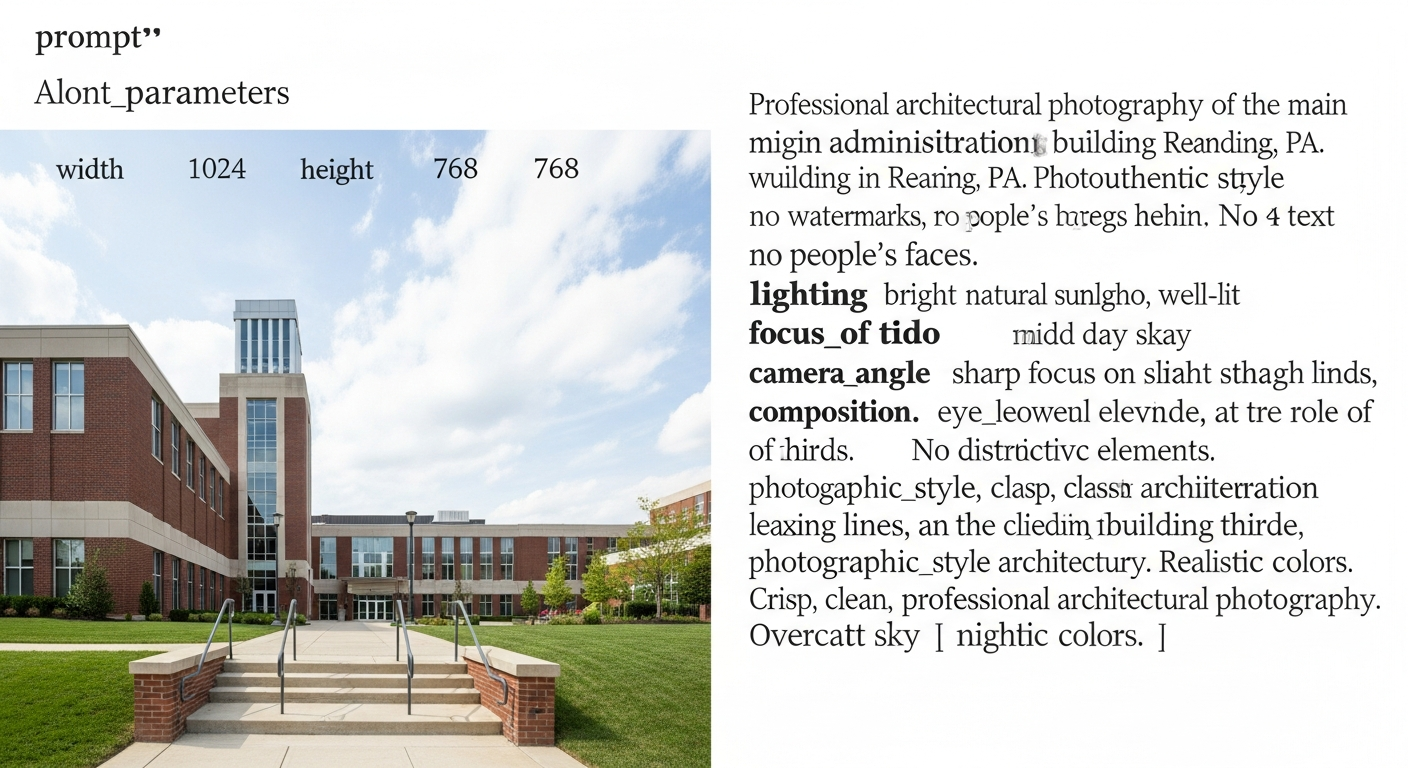
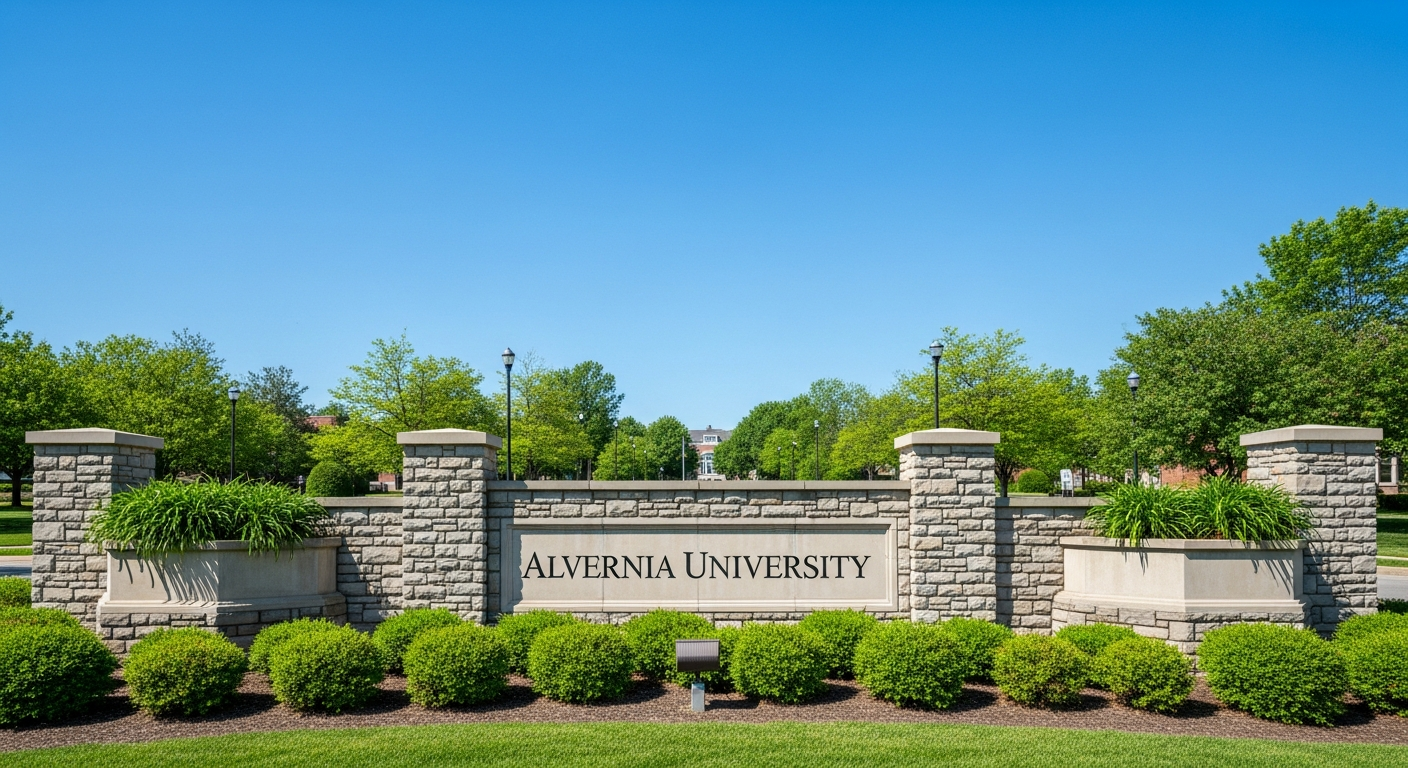
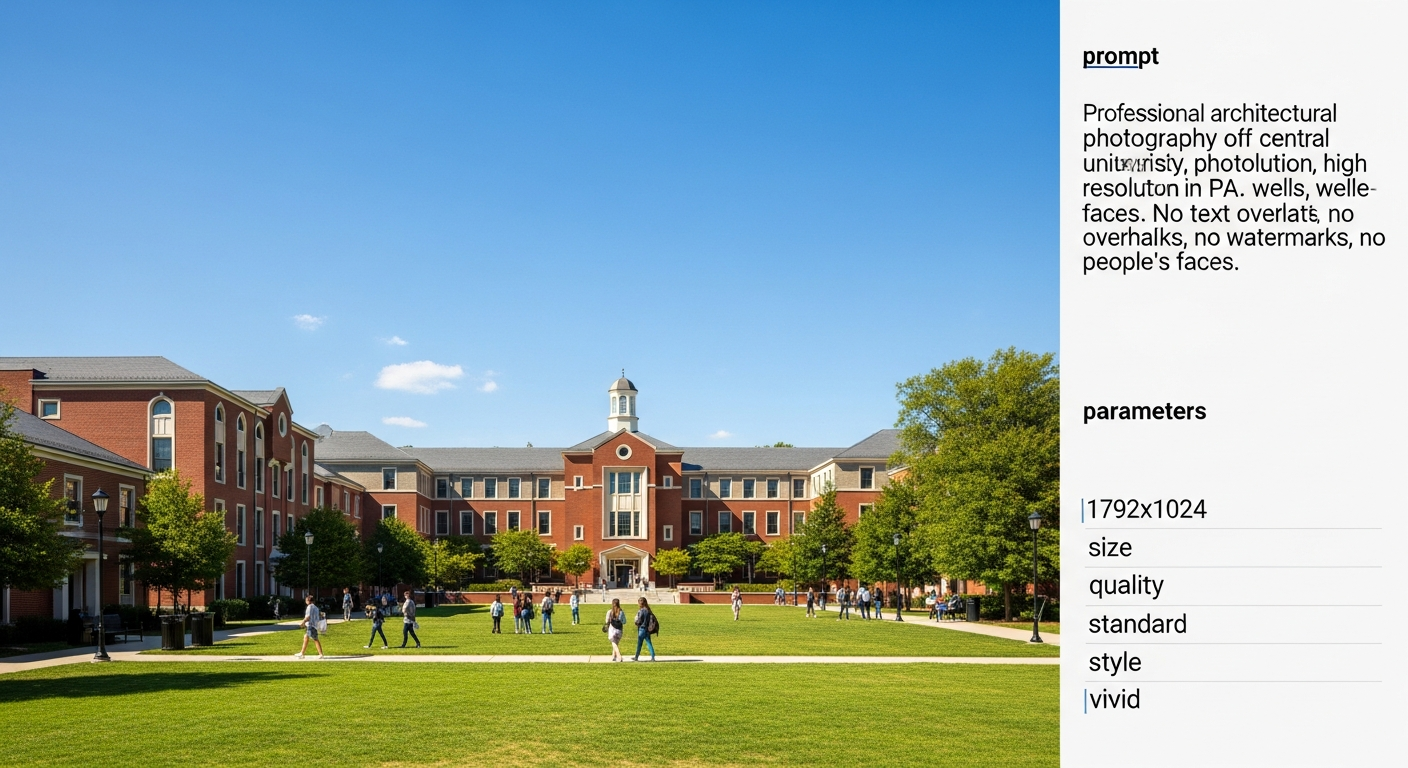
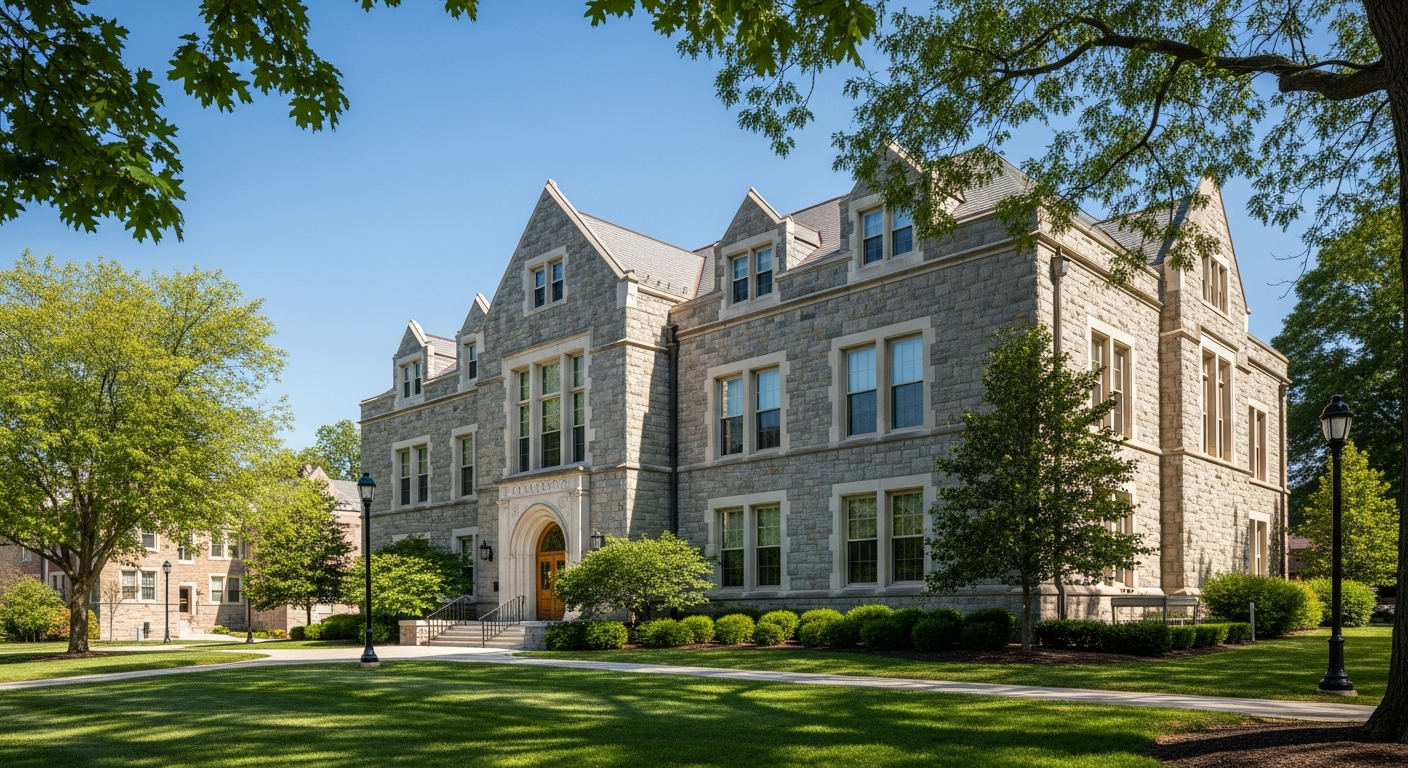
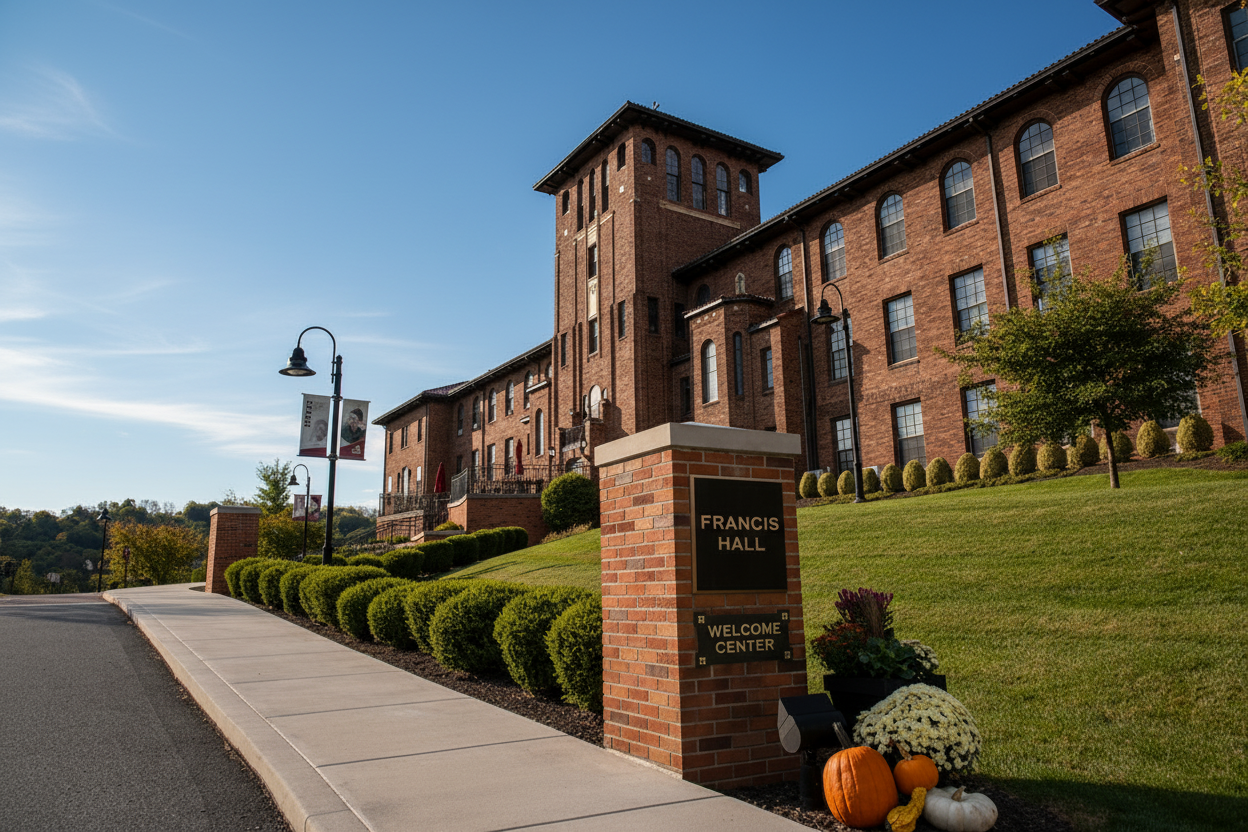
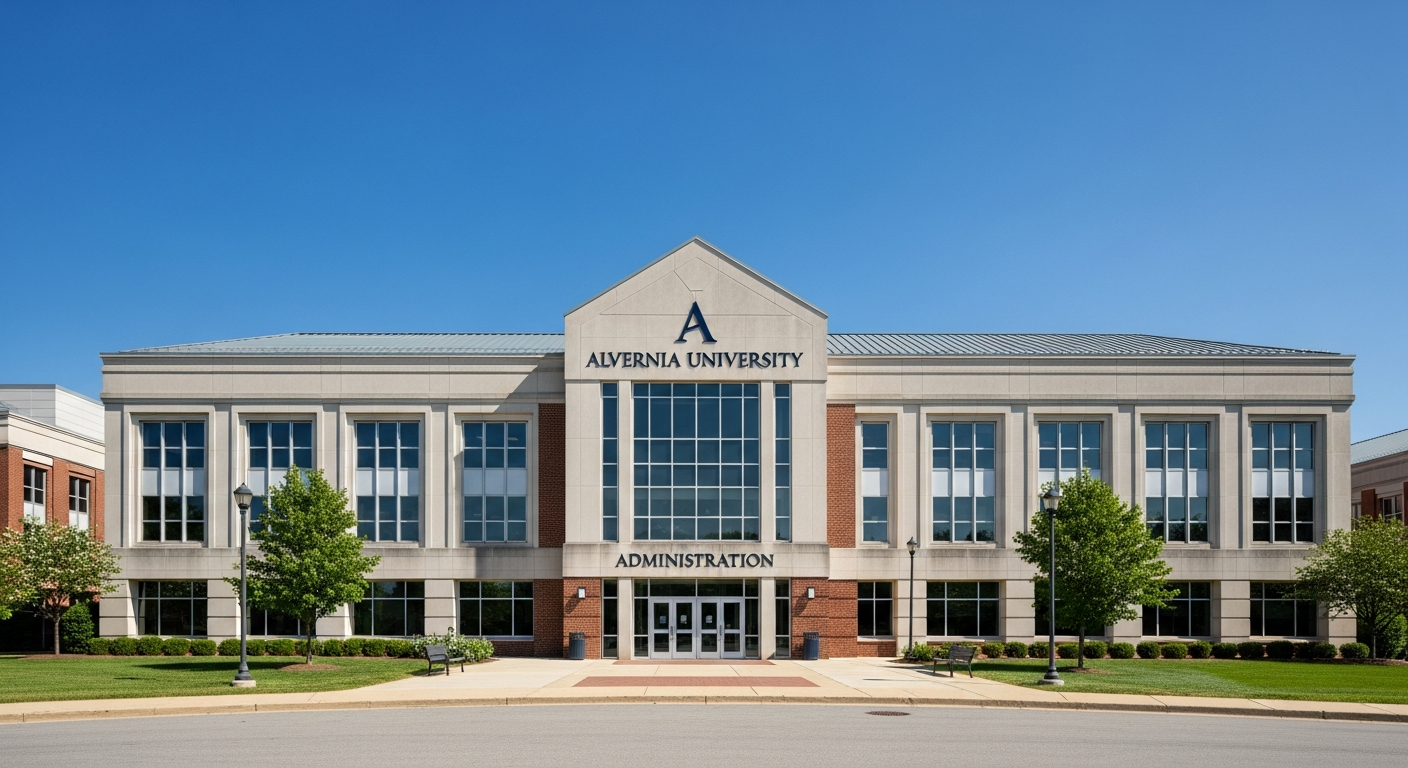
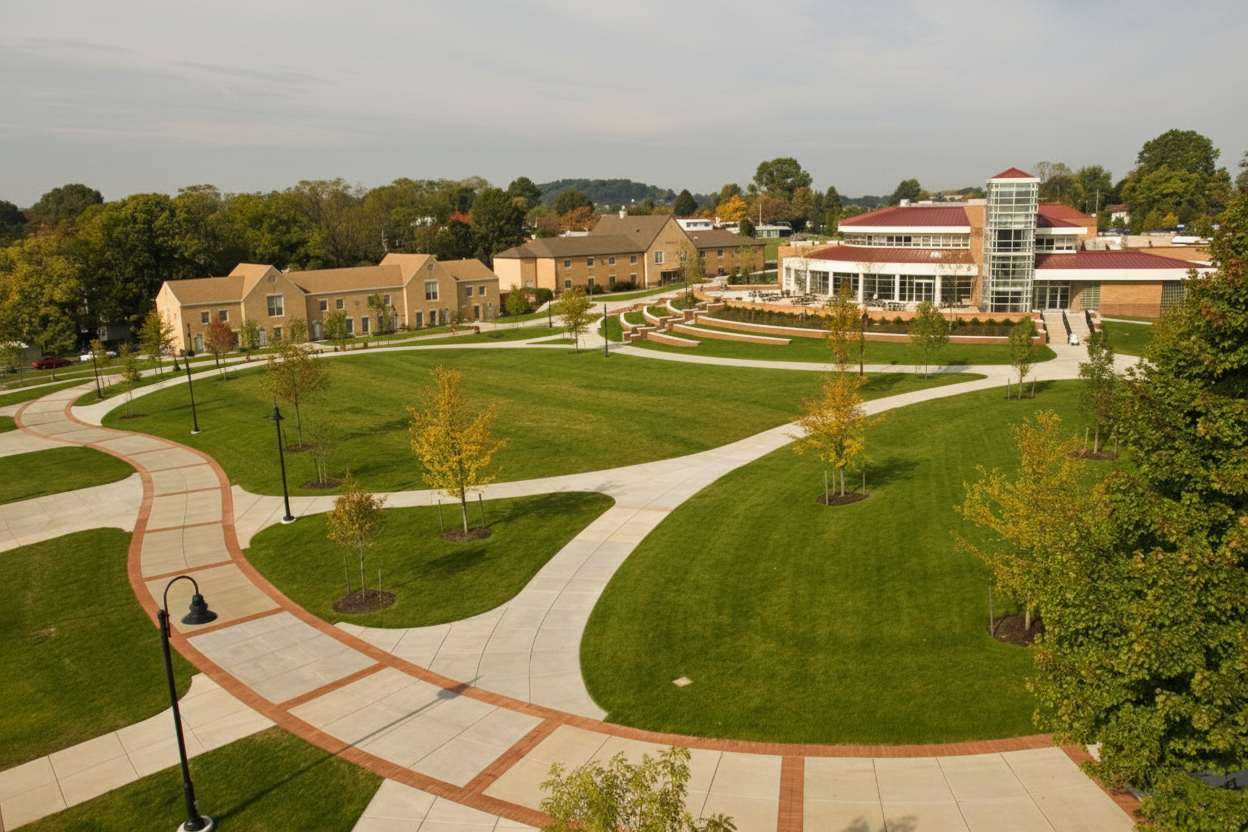
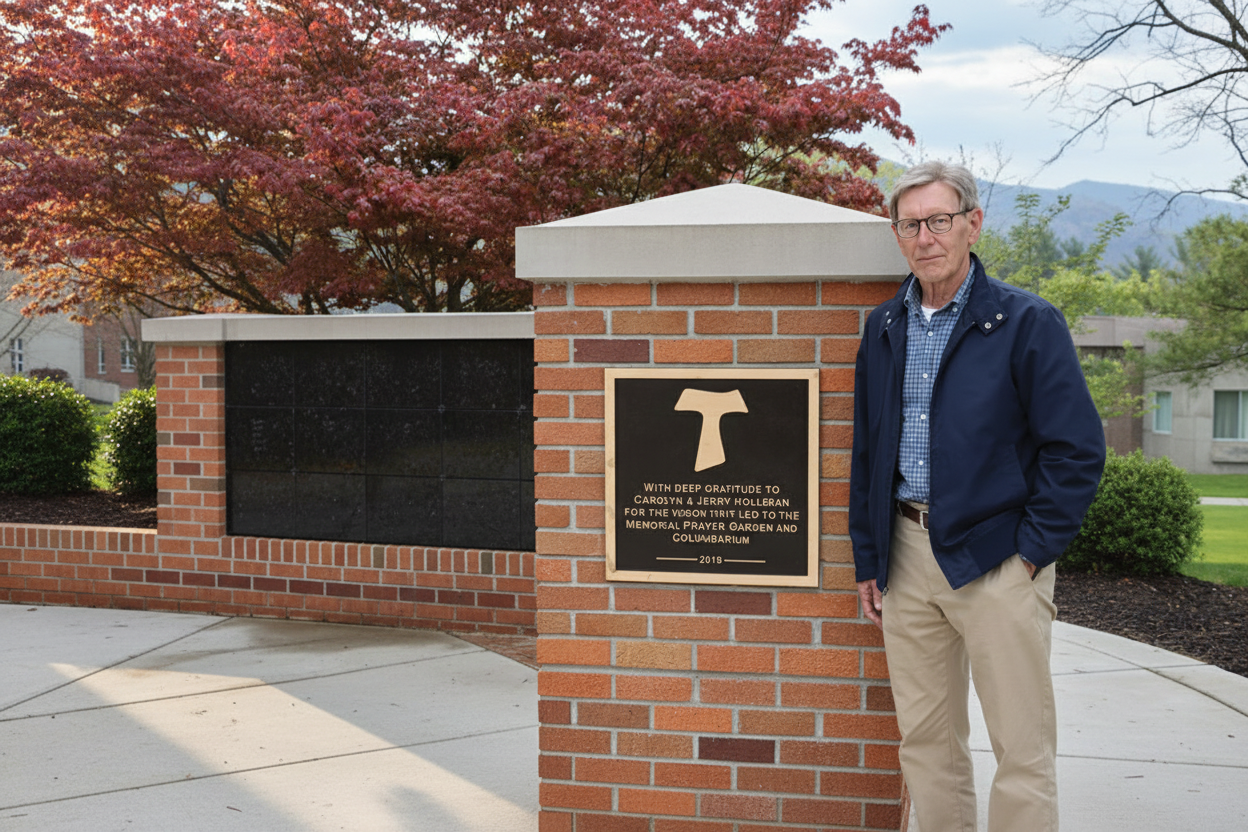
Nestled in the heart of Reading, Pennsylvania, Alvernia University was founded in 1958 by the Bernardine Sisters of the Third Order of St. Francis, a religious order with deep roots in service and education. Its Franciscan heritage shapes the campus ethos, emphasizing compassion, community, and a commitment to making a difference. This private university, with an undergraduate enrollment of just over 2,500, feels like a close family, where personal connections with professors and peers are the norm, not the exception. If you’re the kind of student who craves individualized attention and a values-driven environment, you’ll likely find a home here.
The surrounding city of Reading, about an hour northwest of Philadelphia, offers a mix of industrial history and small-city charm, though it’s not a bustling college town. You can explore local parks or take a quick trip to Philly for a bigger urban experience, but on-campus life is where most of the action happens. One tradeoff is the area’s quieter social scene—students looking for a vibrant, walkable downtown right outside their dorms might feel a bit isolated.
Alvernia attracts students who value service-oriented learning and smaller class settings over the anonymity of a large university. It’s a place for those who want to build close relationships while preparing for careers in fields like healthcare or education. However, if you’re seeking a high-energy campus with endless social options or a wide array of cutting-edge research facilities, Alvernia’s more intimate scale might not fully satisfy your needs.
Photo Gallery

+11




+3
Admissions
Acceptance Rate
Average GPA
Application Fee
Academics
Student-Faculty Ratio
Programs Offered
Full-Time Faculty
Women Faculty
Research Spending
Degree Levels Offered
Alvernia University shines in health sciences, particularly with its nursing, physical therapy, and occupational therapy programs, where hands-on learning takes center stage. You’ll likely find yourself in clinical simulations or community-based projects early on, applying theory to real-world scenarios under the guidance of faculty who prioritize mentorship. The university also offers solid programs in education and business, often integrating ethical decision-making reflective of its Franciscan roots.
Class sizes tend to be small, fostering discussion and personal feedback, though this can mean fewer course options compared to larger schools. If you’re aiming for a highly specialized or research-heavy field outside of health sciences, you might find the academic offerings somewhat limited. Still, the focus on practical experience means you can expect to graduate with skills ready for the workplace or further study.
Student Body
Total Enrollment
2,192 undergrad • 604 grad
Undergraduate
Graduate
International
White
62%
Black / African American
10%
Hispanic / Latino
14%
Asian
2%
Other / Multi-racial
11%
Campus Life
Campus Setting
Reading, PA
Varsity Athletics
NCAA Athletics
Campus life at Alvernia revolves around community, with a strong emphasis on service and faith-based activities, though students of all backgrounds are welcomed. You’ll find events like service days, where students volunteer in Reading, and seasonal celebrations that bring everyone together in a cozy, familial way. The social scene is quieter—think small gatherings, club meetings, or athletic events rather than large parties or a dominant Greek life presence.
Most students live on campus, especially in their first few years, creating a tight-knit residential vibe, but housing options can feel limited as you move into upperclassman years. The Pennsylvania weather, with cold winters and humid summers, might test your adaptability if you’re not used to distinct seasons. For those who thrive in smaller, supportive settings, Alvernia offers a warm environment, though extroverts craving constant activity might need to seek out connections beyond campus borders.
Housing
On-Campus Housing
Housing Capacity
Meal Plan Available
Average Room & Board
Athletics
Athletic Association
Middle Atlantic Conferences
ROTC & Veteran Support
Army
Yes
Navy
No
Air Force
No
Veteran’s Programs Available
Yellow Ribbon Program (Post-9/11 GI Bill)
Yes
Credit for military training
Yes
Dedicated point of contact for veteran support services
Yes
Recognized student veteran organization
Yes
Member of DoD Voluntary Educational Partnership MOU
Yes
Cost & Aid
In-State Tuition
Out-of-State Tuition
Room & Board
Estimated Cost
Financial Aid
Students Receiving Aid
Receiving Pell Grants
Average Grant
Average Federal Loan
Net Annual Cost by Household Income
Household Income
Avg. Net Cost
$0 – $30K
$18,505
$30K – $48K
$24,709
$48K – $75K
$27,478
$75K – $110K
$28,327
$110K+
$30,123
Apply for Financial Aid
Complete the FAFSA to unlock grants, scholarships, and federal loans.
Costs shown are before financial aid. Most students receive some form of aid. Complete the FAFSA to see what you qualify for.
Outcomes & Earnings
Retention Rate
72%
4 Years Graduation Rate
44%
6 Years Graduation Rate
69%
Median 10-Year Earnings
$55,055
72% of first-time, full-time students complete their freshman year at Alvernia University and return in the fall. 44% of first-time, full-time students graduate in 4 years, and 69% graduate within 6 years.
Graduation Rate
4-year grads
44%
4-5 years
25%
6-8 years
1%
Non-grad
30%
Let’s find your perfect tutor
Answer a few quick questions. We’ll recommend the right plan and match you with a top 5% tutor.
Key Statistics
Type
Private
Tuition
$39,100
Acceptance
58%
Undergrads
2,192
4-Year Grad Rate
44%
Endowment
$36M
Reading, PA 19607-1799
Explore More