Award-Winning HSPT Prep in New York
Award-Winning HSPT Prep in New York
Everything you need to crush the HSPT in New York, NY. Live prep classes, practice tests, 1-on-1 expert tutoring, and AI-powered diagnostics.
Who needs prep?
No obligation. Takes ~1 minute.
Instructors from
- YaleUniversity
- PrincetonUniversity
- StanfordUniversity
- CornellUniversity
Featured by


Top-Rated HSPT Prep Instructors in New York
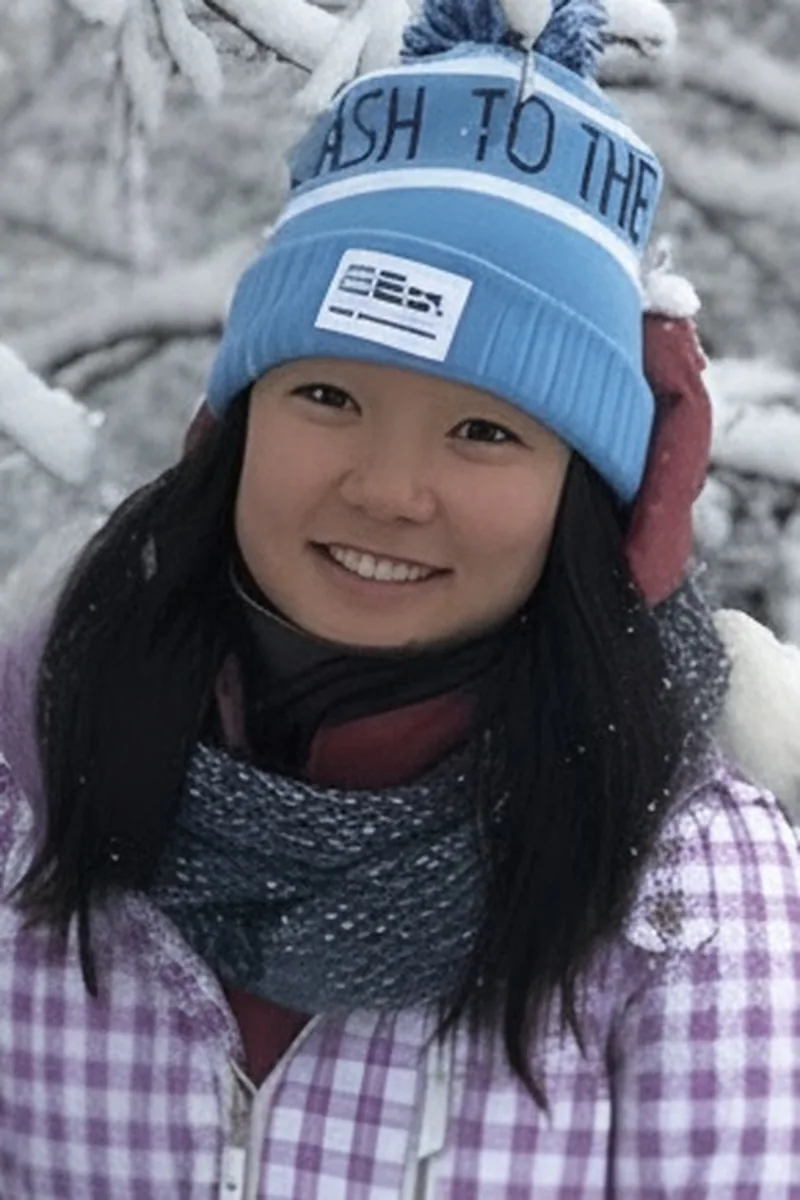
I am a graduate of Cornell University and received a Bachelor of Arts in Music. Currently, I am working as an Assistant Director at a preparatory school managing and teaching students simultaneously. ...
Education & Certificates
Cornell University
Bachelor of Arts in Music
SAT Scores

I am originally from the San Francisco Bay Area, where I attended Menlo School, one of the top private high schools in California. Given my educational background, I am no stranger to the pressures fa...
Education & Certificates
Dartmouth College
Bachelors
SAT Scores
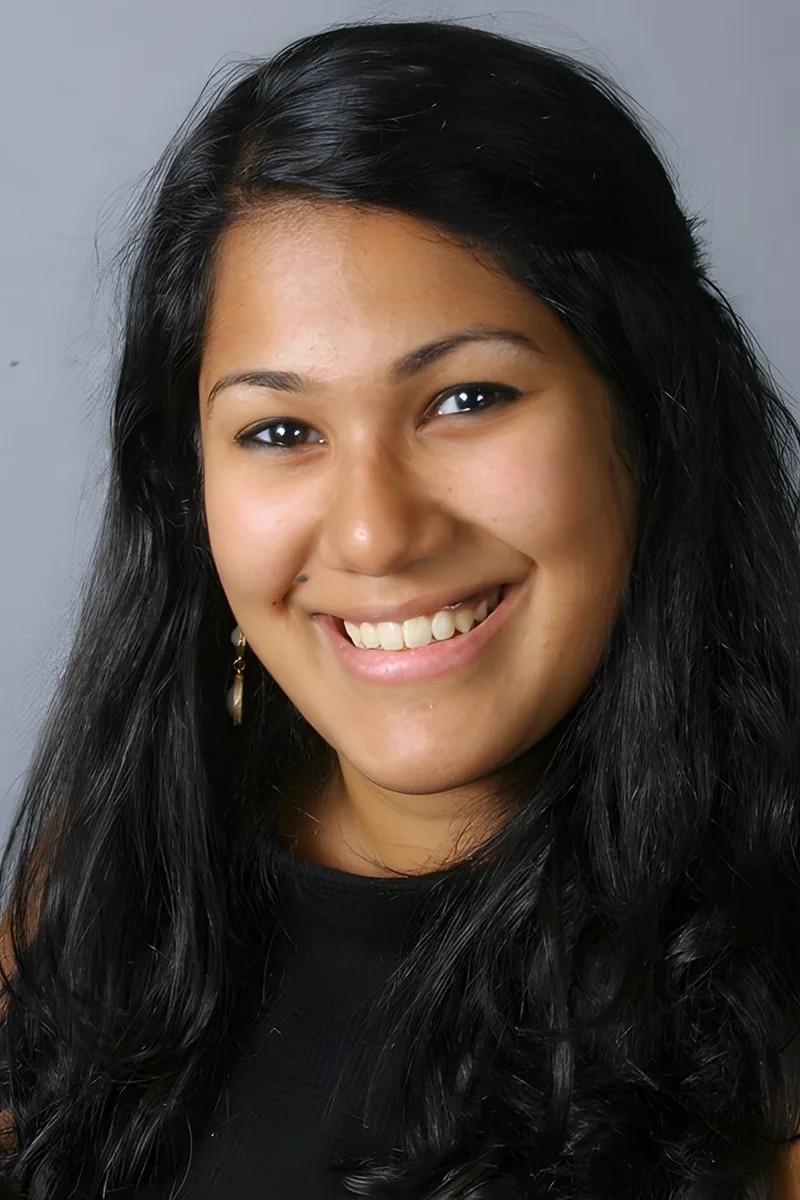
I am pursuing an accelerated Master's Degree in Economics, and a Bachelor's in Chinese language at the Macaulay Honors College at Hunter College. I have been pursuing my passion for teaching and tutor...
Education & Certificates
Macaulay Honors College at Hunter College
Bachelors, Economics, Chinese
SAT Scores

I am working as a Cross-border consultant and consult for businesses who want to get into the Chinese market and do business with Chinese companies. Language and culture is a big part of my life both ...
Education & Certificates
The university of York
Bachelor of Science, Accounting and Business Management
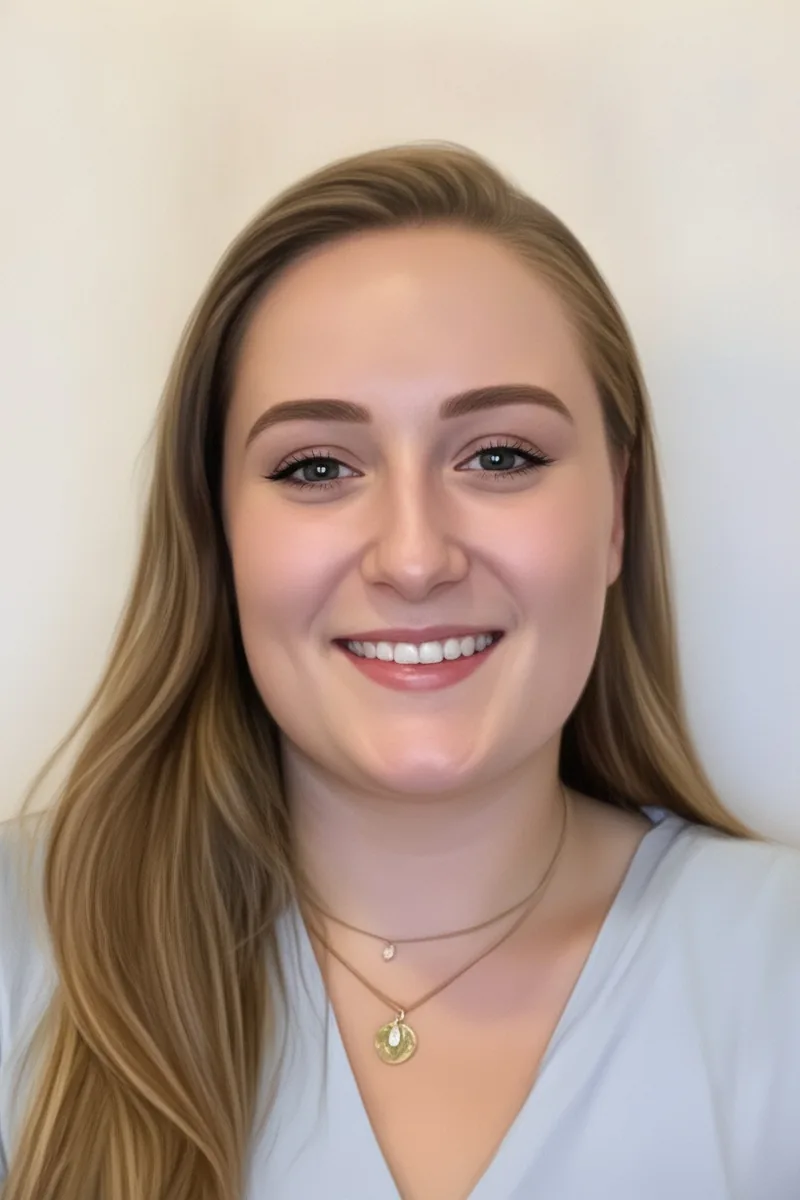
I am an interdisciplinary educator with an Ed.M. from the Harvard Graduate School of Education and a B.A. from Dartmouth College. My background is primarily in integrated arts learning and museum educ...
Education & Certificates
Harvard University
Masters in Education, Education
Dartmouth College
B.A.
SAT Scores
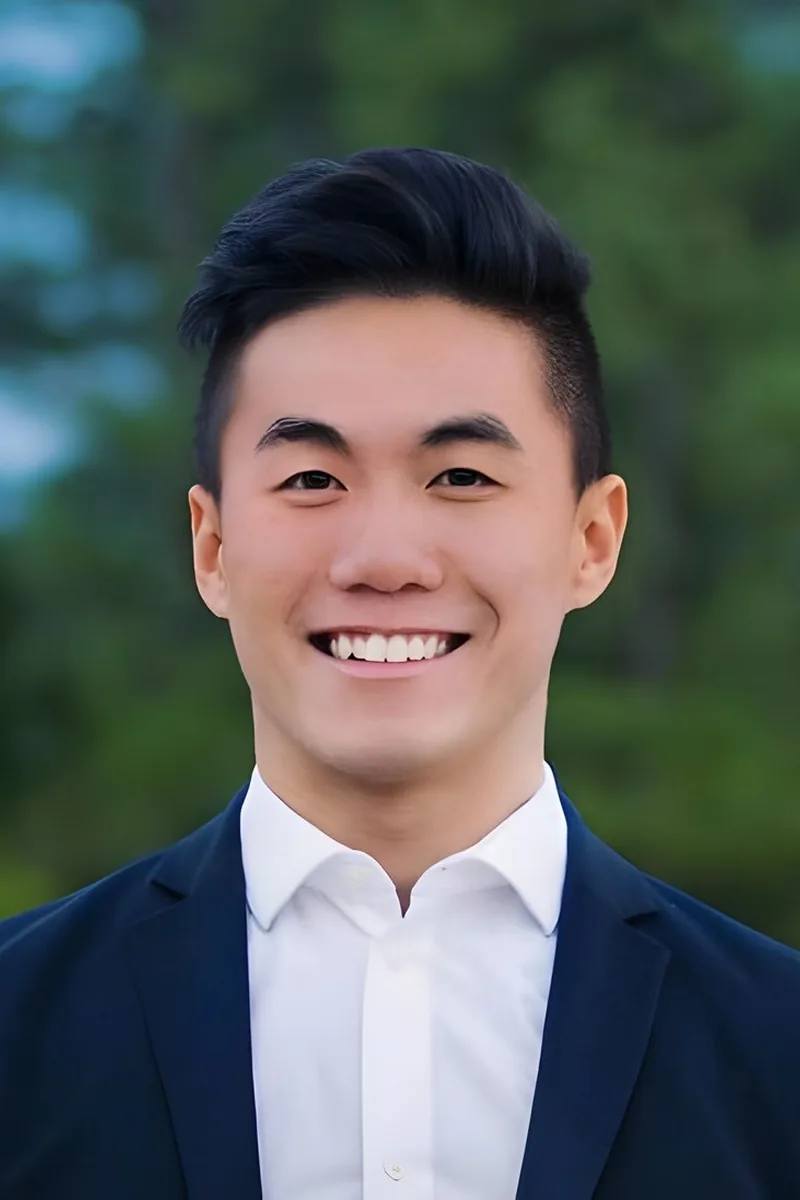
I'm not tutoring or buried in my textbooks, you will either find me rock climbing at the Triangle Rock Club, playing Ultimate Frisbee, working on my car, or enjoying the great outdoors (beaches, mount...
Education & Certificates
The University of Texas at Dallas
Bachelors, Mechanical Engineering
Duke University
Current Grad Student, Mechanical Engineering
SAT Scores
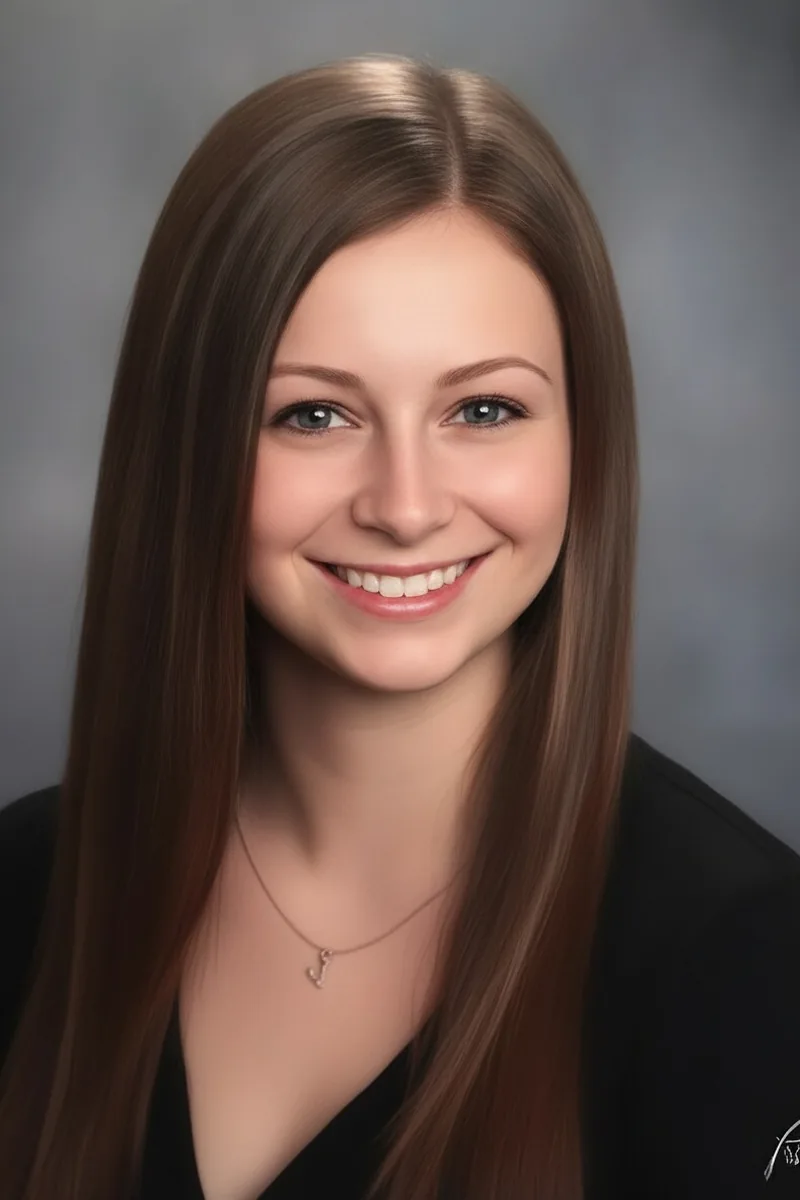
I am a recent graduate from a masters program in biostatistics at Columbia University. I received my Bachelor of Arts in biological sciences, with a focus in neurobiology at Northwestern University. I...
Education & Certificates
Columbia University
Masters in biostatistics
Northwestern University
Bachelor of Arts in biological sciences (focus in neurobiology)
SAT Scores
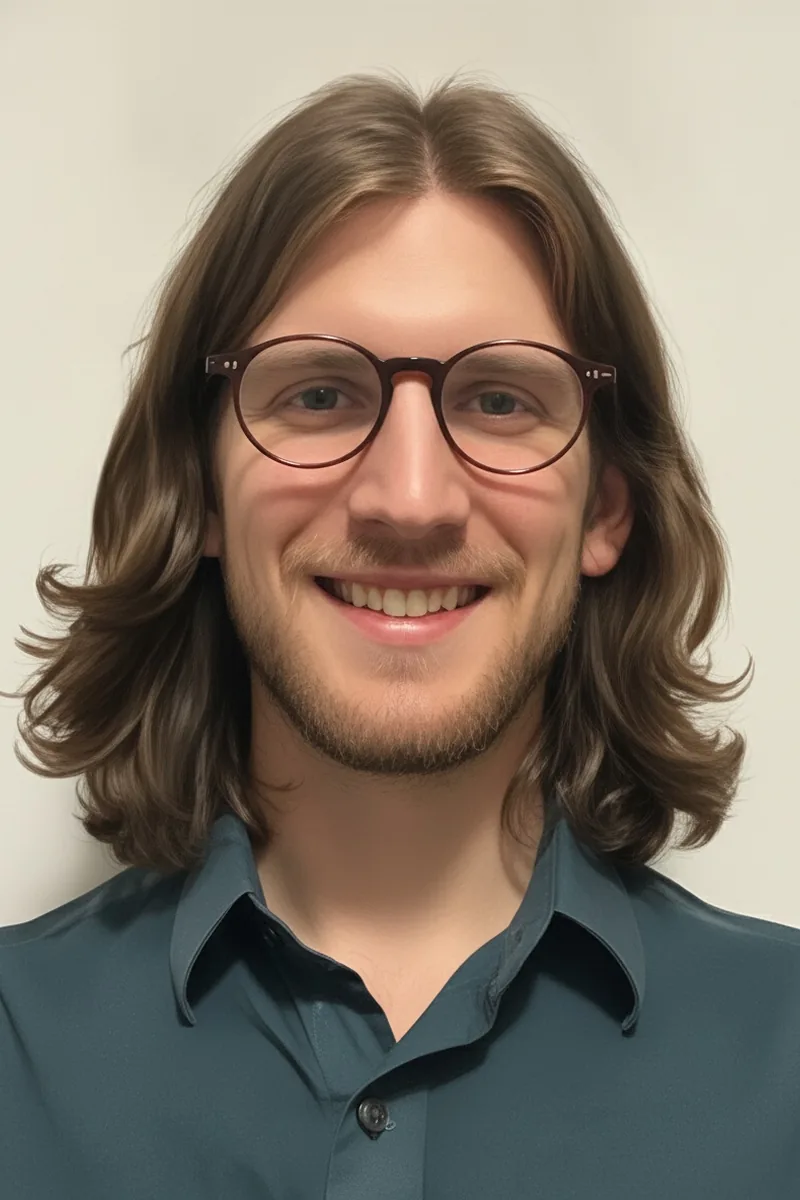
I am a graduate of Wesleyan University, where I received my Bachelor of Arts in Sociology with High Honors. With eight years of experience working in education, I've tutored students in math, science,...
Education & Certificates
Harvard University
PHD, Education
Wesleyan University
Bachelor in Arts, Sociology
ACT Scores

I am proud to be a part of Varsity Tutors! I am originally from San Antonio, TX; I completed my undergraduate education at Rice University in Houston where I received a bachelor's degree in Biochemist...
Education & Certificates
Baylor College of Medicine
Current Grad Student, M.D.
Rice University
Bachelor's in Biochemistry and Cell Biology
SAT Scores

I'm Solange - a recent graduate from Harvard where I studied Sociology & Women's Studies. I've been tutoring for eight years now, and have worked with a wide range of ages and in a wide range of subje...
Education & Certificates
Harvard University
Bachelor in Arts (Sociology & Women's Studies)
ACT Scores
Frequently Asked Questions
Pacing is one of the biggest challenges on the HSPT since you have limited time per question across all five sections. Tutors work with students to develop section-specific strategies—for example, in Verbal Skills, learning to quickly identify synonyms and analogies without overthinking, while in Math, recognizing which problems to tackle first and which to skip strategically. Practice with timed drills helps build automaticity so you're not spending precious seconds on easier questions, and working through full practice tests under real test conditions reveals exactly where you're losing time.
Reading Comprehension trips up many students because the HSPT's passages are dense and time is tight—you need to extract key information quickly without getting lost in details. Quantitative Skills also challenges students who haven't solidified foundational concepts like ratios, percentages, and word problem setup. Verbal Skills, while testing vocabulary and logic, can feel unfamiliar since it emphasizes synonym and analogy patterns that don't always appear in regular schoolwork. A tutor can identify which section is dragging your score and create targeted practice to address the underlying skill gaps.
The HSPT's Verbal Skills section uses synonym and analogy questions in a format you might not see in regular classes, requiring you to think about word relationships rather than just definitions. Reading Comprehension questions ask for main ideas, inferences, and detail recall under time pressure—different from classroom reading where you can reread. Quantitative questions mix basic arithmetic, algebra, and geometry in ways that test problem-solving speed, not just computation. Tutors break down each format, show you the patterns and tricks to recognize, and have you practice until these question types feel natural rather than surprising.
Score improvement depends on your starting point and how consistently you practice. Students who work with a tutor for 4-8 weeks with regular practice typically see 50-100 point gains, though this varies based on your baseline and the areas you're targeting. The biggest improvements come when you identify specific weak sections—say, Reading Comprehension or Quantitative Skills—and focus there rather than trying to improve everything at once. Consistent practice with timed drills and full-length tests, combined with targeted instruction on question formats and strategy, creates the conditions for meaningful gains.
Test anxiety often stems from unfamiliarity with question formats or uncertainty about timing strategy—both things tutoring directly addresses. When you've practiced the exact types of questions you'll see, worked through pacing strategies under timed conditions, and built confidence in your ability to recognize patterns, anxiety naturally decreases. Tutors also help you develop a realistic sense of which questions to prioritize, when to move on, and how to manage your mental energy across all five sections, so you feel in control rather than overwhelmed on test day.
Practice tests are essential because they reveal your actual pacing, timing, and weak areas under conditions that mirror the real exam. Rather than taking a practice test once and moving on, use them diagnostically: take one untimed to identify content gaps, then take several under timed conditions to work on speed and strategy. Between practice tests, focus on drilling the specific sections where you stumbled—for instance, if Reading Comprehension dragged you down, do targeted passages and timing work. Your tutor can review your practice test results to pinpoint patterns, like whether you're running out of time or making careless errors, and adjust your study plan accordingly.
A strong HSPT tutor understands the test's unique structure—the five sections, their different question formats, and the specific timing constraints—and can teach you strategies tailored to each. They should be able to diagnose exactly where you're losing points, whether it's vocabulary knowledge in Verbal Skills, conceptual gaps in Quantitative, or reading speed in Comprehension. Beyond content, they should be skilled at teaching you to recognize question patterns, manage time strategically, and build the confidence that comes from practicing under realistic test conditions. Look for someone who uses actual HSPT materials, tracks your progress across sections, and adjusts the approach based on what's actually holding back your score.
Most students benefit from 4-8 weeks of focused HSPT prep, though this depends on your starting point and target score. A typical weekly schedule might include 2-3 tutoring sessions focused on strategy and weak areas, plus 3-4 hours of independent practice with drills and timed sections between sessions. Starting with diagnostic practice to identify weak areas, moving into targeted skill-building, and finishing with full-length timed practice tests creates a logical progression. Your tutor can customize the timeline and intensity—if you're starting further behind or aiming for a very competitive score, you might need more time; if you're already strong in most areas, you might focus heavily on one or two sections.
Other New York test prep
Let's find your perfect prep plan
Answer a few quick questions. We'll recommend the right plan and match you with a top 5% instructor.