Achieve a top score with Award-Winning Exam PA - Predictive Analytics Prep
Achieve a top score with Award-Winning Exam PA - Predictive Analytics Prep
Everything you need to crush the Exam PA - Predictive Analytics. Live prep classes, practice tests, 1-on-1 expert tutoring, and AI-powered diagnostics to help you reach your target score.
Universities
Delivered
Proficiency
Who needs prep?
No obligation. Takes ~1 minute.
Instructors from
- YaleUniversity
- PrincetonUniversity
- StanfordUniversity
- CornellUniversity
Featured by


Award-Winning Exam PA - Predictive Analytics Prep Classes
 Short-term classLive
UBE - Uniform Bar Exam Prep
This course is designed to prepare students for the UBE - uniform bar exam by equipping them with the skills and test-taking strategies that leads to passing the exam. The course will help students understand the exam structure, tested concepts, scoring methodology, time management and test-taking tips and strategies that can be applied to each area of the exam. The expert instructor will make the ultimate decision as to how in-depth the topics need to be covered based on the needs of the class.
 Short-term classLive
MPJE - Multistate Pharmacy Jurisprudence Examination Prep
This course is designed to prepare students for the MPJE - Multistate Pharmacy Jurisprudence Examination by equipping them with the skills and test-taking strategies that leads to passing the exam. The course will help students understand the exam structure, tested concepts, scoring methodology, time management and test-taking tips and strategies that can be applied to each area of the exam. The expert instructor will make the ultimate decision as to how in-depth the topics need to be covered based on the needs of the class.
Top-Rated Exam PA - Predictive Analytics Prep Instructors
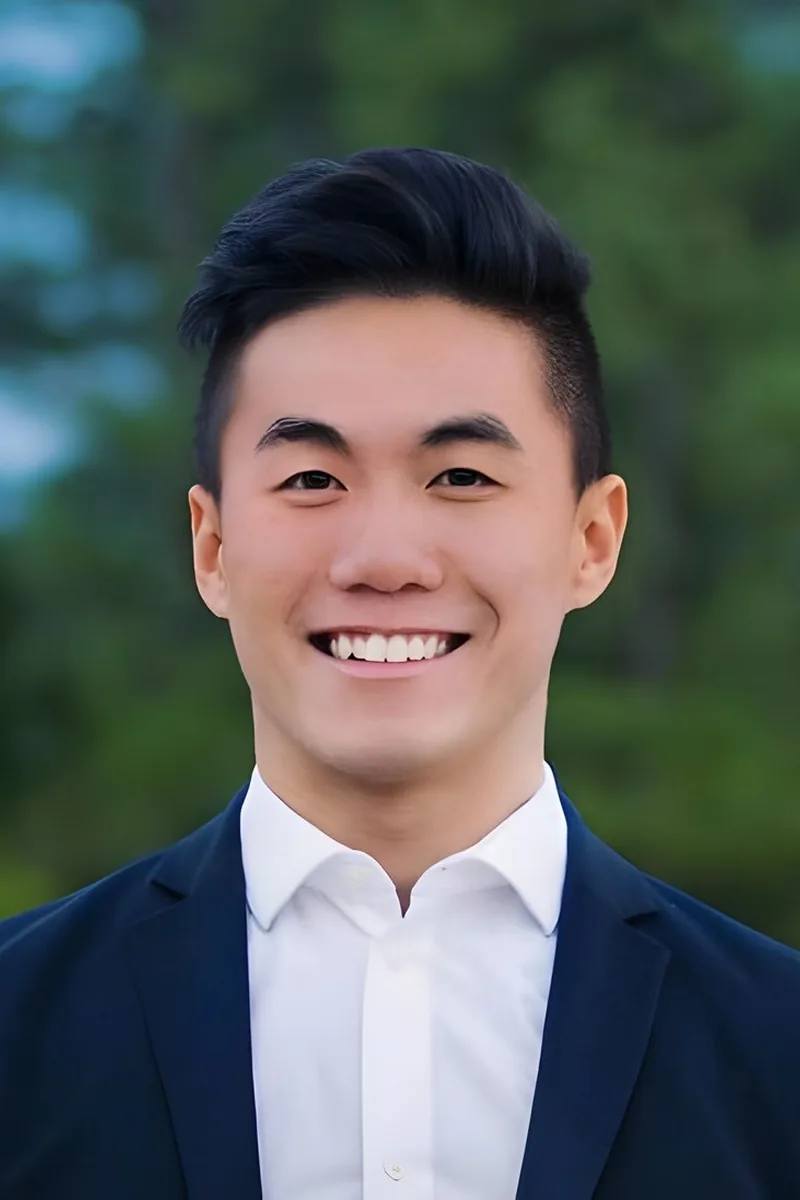
I'm not tutoring or buried in my textbooks, you will either find me rock climbing at the Triangle Rock Club, playing Ultimate Frisbee, working on my car, or enjoying the great outdoors (beaches, mount...
Education & Certificates
The University of Texas at Dallas
Bachelors, Mechanical Engineering
Duke University
Current Grad Student, Mechanical Engineering
SAT Scores

I am an interdisciplinary educator with an Ed.M. from the Harvard Graduate School of Education and a B.A. from Dartmouth College. My background is primarily in integrated arts learning and museum educ...
Education & Certificates
Harvard University
Masters in Education, Education
Dartmouth College
B.A.
SAT Scores

I am a recent graduate from a masters program in biostatistics at Columbia University. I received my Bachelor of Arts in biological sciences, with a focus in neurobiology at Northwestern University. I...
Education & Certificates
Columbia University
Masters in biostatistics
Northwestern University
Bachelor of Arts in biological sciences (focus in neurobiology)
SAT Scores

I am a graduate of Wesleyan University, where I received my Bachelor of Arts in Sociology with High Honors. With eight years of experience working in education, I've tutored students in math, science,...
Education & Certificates
Harvard University
PHD, Education
Wesleyan University
Bachelor in Arts, Sociology
ACT Scores
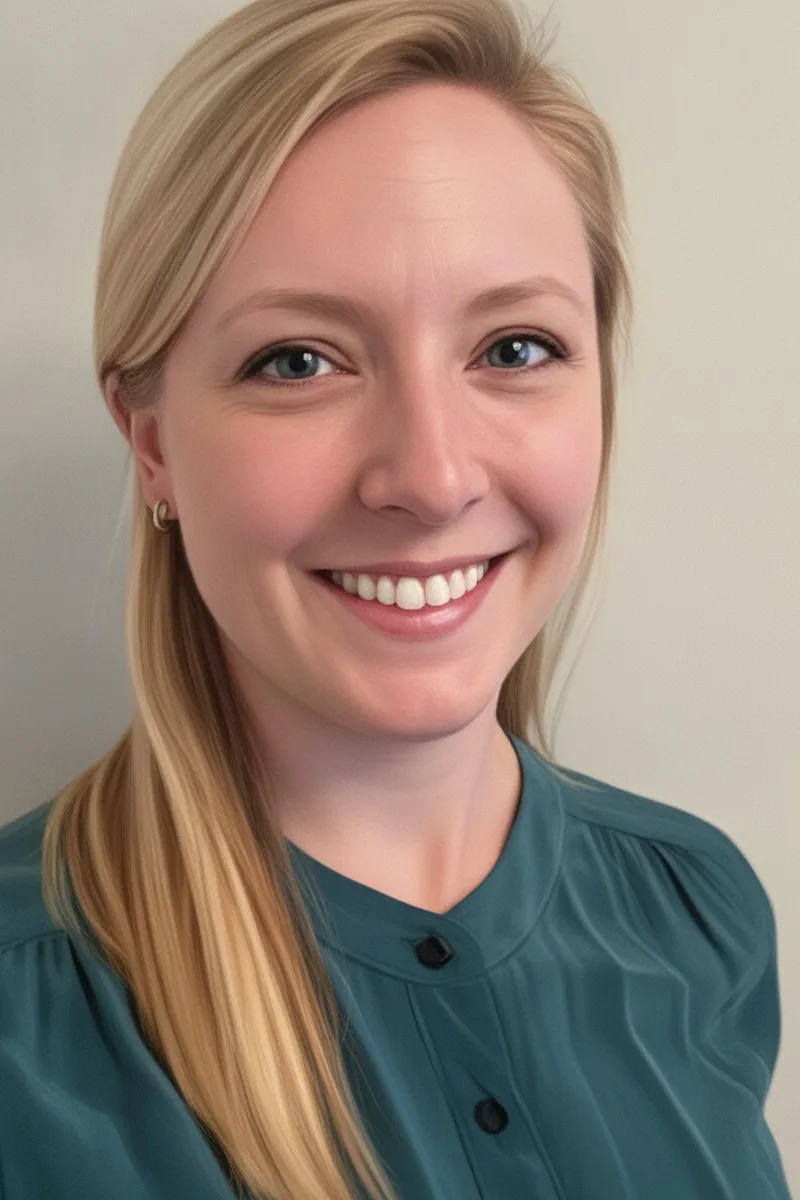
I am a graduate of Washington University in St Louis, where I received my Bachelor of Arts in History with minors in Humanities and Anthropology. Since graduation, I have worked as a tutor, teacher, a...
Education & Certificates
Simmons College
Masters, Special Education: Mild to Moderate Disabilities 5-12
Washington University in St. Louis
Bachelor of Arts in History (minors in Humanities and Anthropology)
ACT Scores

I'm Solange - a recent graduate from Harvard where I studied Sociology & Women's Studies. I've been tutoring for eight years now, and have worked with a wide range of ages and in a wide range of subje...
Education & Certificates
Harvard University
Bachelor in Arts (Sociology & Women's Studies)
ACT Scores
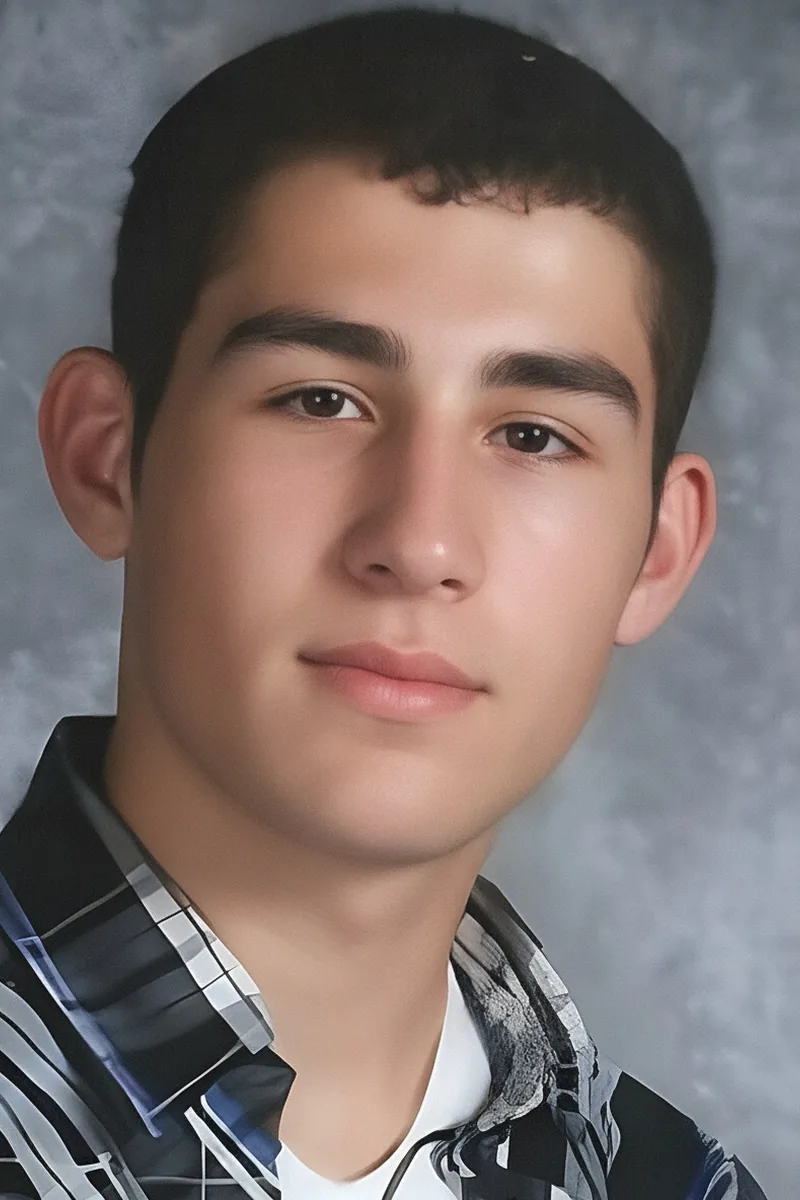
I am a rising sophomore at Harvard College and am about to declare as a Mechanical Engineering concentrator, working towards a Bachelor of Science degree. I've always enjoyed sharing my knowledge with...
Education & Certificates
Harvard College
Bachelor of Science, Mechanical Engineering
ACT Scores

I am proud to be a part of Varsity Tutors! I am originally from San Antonio, TX; I completed my undergraduate education at Rice University in Houston where I received a bachelor's degree in Biochemist...
Education & Certificates
Baylor College of Medicine
Current Grad Student, M.D.
Rice University
Bachelor's in Biochemistry and Cell Biology
SAT Scores
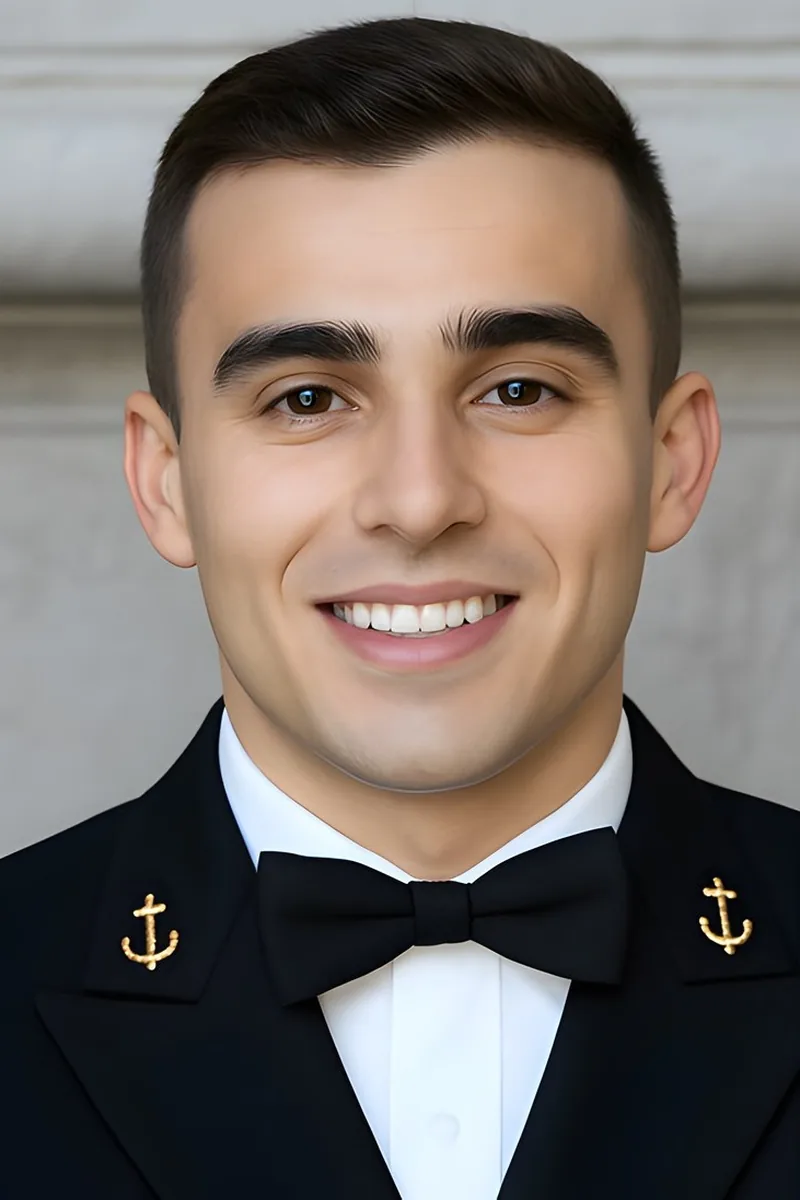
I am a junior Mechanical Engineering major at Yale, and I hope to become a Naval Aviator after college. I am also a varsity sailor, and enjoy playing music with friends when I can get some free time. ...
Education & Certificates
Yale University
Bachelor of Science, Mechanical Engineering
ACT Scores

I am an aspiring applied mathematician, with particular interest in image processing and climate science. I graduated in May 2017 from Washington University in St. Louis with a bachelor's in physics a...
Education & Certificates
Washington University in St. Louis
Bachelor's in Physics and Mathematics
University of Chicago
Doctor of Philosophy, Computational Mathematics
ACT Scores
Frequently Asked Questions
Students typically find the transition from theoretical statistics to practical predictive modeling most challenging. The exam requires mastery of data exploration, variable selection, model building, and validation—but many candidates struggle with the balance between statistical rigor and business pragmatism. Additionally, the coding component (using R or Python) combined with conceptual understanding trips up those who excel in theory but lack hands-on implementation experience. Time management during the exam is also critical, as students must complete a realistic predictive analytics project under time constraints.
Expert tutors break model validation into concrete, testable concepts: train-test splits, cross-validation techniques, and performance metrics specific to the exam's focus areas. They guide students through hands-on practice identifying overfitting in real datasets, comparing validation approaches, and understanding when each method is appropriate. Rather than just explaining the theory, tutors walk through actual Exam PA case studies, showing how validation decisions directly impact model selection and business recommendations—the exact skills the exam tests.
You should be comfortable with basic data manipulation, statistical functions, and visualization in R or Python—but you don't need to be an expert programmer. Exam PA tutors help bridge the gap between statistical knowledge and coding implementation, teaching you how to efficiently write code for exploratory data analysis, model fitting, and validation. If you're weak in coding fundamentals, a tutor can help you develop those skills in parallel with exam-specific content, ensuring you can execute your analytical thinking during the actual exam.
Variable selection is where many candidates falter because it requires balancing statistical significance, business relevance, and model complexity—decisions that aren't always clear-cut. A tutor works with you on frameworks for evaluating predictors: correlation analysis, information value, domain knowledge integration, and iterative model refinement. Through guided practice on past exam scenarios, you'll develop intuition for when to include, exclude, or engineer variables, and how to justify those choices in your written explanations—a key graded component of Exam PA.
Strong Exam PA tutors have passed the exam themselves or hold advanced actuarial credentials (FSA, ASA, or equivalent), combined with real-world experience in predictive modeling or data science. They should be fluent in the technical tools (R/Python), understand actuarial business contexts, and have experience coaching other candidates through the exam's unique demands. Beyond credentials, effective tutors can translate complex statistical concepts into practical exam strategy and help you develop the communication skills needed to justify analytical decisions—a critical part of the grading rubric.
Most candidates spend 3-6 months preparing for Exam PA, though this varies based on your background in statistics, coding, and actuarial science. If you're strong in statistics but weak in coding, you might focus tutoring on implementation skills over 2-3 months. If you're new to predictive modeling concepts, expect a longer timeline to build foundational understanding alongside technical skills. A tutor can assess your starting point and create a personalized timeline, helping you prioritize high-impact topics and avoid spending time on areas where you're already strong.
Early progress includes confidently performing exploratory data analysis, correctly interpreting model outputs, and articulating why specific modeling choices are appropriate. Mid-stage progress means you can independently build, validate, and compare multiple models, then write clear business recommendations based on results. Final readiness is demonstrated by completing full practice exams under time constraints with scores consistently in the passing range, along with the ability to explain your analytical decisions clearly—both in code comments and written summaries that mirror the exam's expectations.
You should have solid foundational knowledge of probability, statistics (distributions, hypothesis testing, regression), and ideally some exposure to actuarial science concepts. If you're coming from a non-actuarial background, you may need to build context around how predictive models apply to insurance and pension problems. A tutor can quickly assess gaps in your statistical foundation and help fill them efficiently, but attempting Exam PA without basic statistics knowledge will require significant additional time. Coding experience is helpful but can be developed during exam prep if you have strong analytical thinking skills.
Let's find your perfect prep plan
Answer a few quick questions. We'll recommend the right plan and match you with a top 5% instructor.