Achieve a top score with Award-Winning AP Computer Science Principles Prep
Achieve a top score with Award-Winning AP Computer Science Principles Prep
Everything you need to crush the AP Computer Science Principles. Live prep classes, practice tests, 1-on-1 expert tutoring, and AI-powered diagnostics to help you reach your target score.
Universities
Delivered
Proficiency
Who needs prep?
No obligation. Takes ~1 minute.
Instructors from
- YaleUniversity
- PrincetonUniversity
- StanfordUniversity
- CornellUniversity
Featured by


Award-Winning AP Computer Science Principles Prep Classes
 One-time classLive
AP Chemistry Monthly Review
Ace your AP Chemistry class _and_ the AP exam — without cramming or falling behind. Our AP Chemistry Monthly Review sessions are designed to help you stay one step ahead. Each month, an expert instructor will guide you through a focused review of the unit you’ve just covered in class, helping you reinforce key concepts, connect ideas across the curriculum, and build your personal study toolkit for May.
 Short-term classLive
High School Chemistry Fundamentals
Much like chemistry itself is the study of how the building blocks of matter–particles, atoms, molecules–combine, your chemistry knowledge builds from basic elements toward complex concepts, lab reports, and exams. That’s why High School Chemistry Fundamentals can be an integral force in your chemistry studies. Each week, an expert instructor will break down the key concepts that your current and upcoming chemistry lessons depend on, helping ensure that you’re ready for the challenges you encounter in your coursework and your foundations remain strong for midterm and final exams, cumulative assignments, and even future science classes.
 Short-term classLive
High School Biology Fundamentals
High School Biology is the study of the building blocks of life, how cells, systems, and processes interact to enable complex organisms to adapt and thrive. And just like living systems build from their foundations, your own biology knowledge builds concept by concept toward the complex skills you need for your labs and exams throughout the year. That’s why High School Biology Fundamentals is an integral component of your biology studies. Each week, an expert instructor will break down the key concepts that your current and upcoming biology lessons depend on, helping ensure that you’re ready for the challenges you encounter in your coursework and your foundations remain strong for midterm and final exams, cumulative assignments, and even future science classes.
 One-time classLive
AP Physics 1 Monthly Review
Ace your AP Physics 1 class _and_ the AP exam — without cramming or falling behind. Our AP Physics 1 Monthly Review sessions are designed to help you stay one step ahead. Each month, an expert instructor will guide you through a focused review of the unit you’ve just covered in class, helping you reinforce key concepts, connect ideas across the curriculum, and build your personal study toolkit for May.
 Short-term classLive
Junior Paleontologists Club
Dig into the prehistoric past with "Junior Paleontologists Camp," a thrilling four-week expedition led by the enthusiastic Teacher Amalia! Young fossil hunters will be transported millions of years back in time as they examine real fossils displayed right on their screens. From the towering Tyrannosaurus rex to the massive megalodon, students will uncover the secrets of ancient creatures that once ruled our planet. This hands-on virtual adventure explores dinosaurs, prehistoric marine predators, ancient crocodilians, and magnificent ice age mammals—allowing budding paleontologists to touch the past, understand Earth's incredible history, and experience the excitement of scientific discovery with every fossil examined! Teacher Amalia loves to share her extensive fossil collection and her experience volunteering with paleontology projects, including excavating dinosaur bones in Madagascar! She is experienced at teaching dynamic online classes that integrate stories from her adventures, real fossils, and live program animals. Each day will include three interactive sections full of fun facts, guessing games, and fossil investigations. A short break in between each section will give everyone time to stretch their legs with movement game options such as dinosaur yoga and freeze dance.
 Short-term classLive
Symptom Science: A Doctor Explains Sneezes, Scabs, Sunburns, and More
Ever wonder what's really happening when you sneeze, bruise, or feel a fever coming on? Your body is a remarkable machine, performing countless protective actions every day – most of which are far more fascinating than you realize. In this engaging four-week series, Dr. Tabitha Michaud, MD takes students behind the scenes of common symptoms and sensations, revealing the intricate science that keeps us safe and healthy. From exploring why a paper cut heals to understanding the complex cascade of events in an allergic reaction, students will gain a deep appreciation for the body's defensive systems. Through live, interactive demonstrations and real-world medical examples, Dr. Michaud brings her clinical expertise to the classroom, helping students understand common sicknesses from a scientific perspective.
 One-time classLive
Clean-Up Crew
Who takes care of nature’s messiest jobs? Join Wonders of Wildlife as we explore some of nature’s often underappreciated cleanup crew members and discover the important roles they play in keeping ecosystems healthy. We’ll uncover how scavengers, decomposers, and other hardworking species help recycle nutrients, remove waste, and keep the natural world in balance. Along the way, students will learn why these animals deserve far more appreciation than they often receive. Get ready to meet some fascinating creatures that prove even the dirtiest jobs can make a big difference!
 Short-term classLive
Food, Fuel, and the Body
We all know that our bodies need food, and that feeling hungry is the body's way of making sure we never forget it. But past that, what really happens when we give our bodies food and which foods are best for which purposes? And how much of what we think we know is just clever marketing more than actual science: is breakfast really the most important meal of the day? Do carrots give you superhuman eyesight? Join pediatrician Dr. Tabitha Michaud to learn all about how our bodies turn food into fuel for energy, for growing, for bone and muscle development, for your immune system, and more. You'll see how food gets converted into nutrients from your mouth to your stomach to your bloodstream, discover which nutrients serve which purposes, and come away much more in tune with what your body is telling you it needs based on how you feel. Note: This course focuses on how the body works, not rules about eating. There is no “good vs bad food” language — just science, empowerment, and body literacy.
 One-time classLive
AP Calculus AB Monthly Review
Ace your AP Calculus AB class _and_ the AP exam — without cramming or falling behind. Our AP Calculus AB Monthly Review sessions are designed to help you stay one step ahead. Each month, an expert instructor will guide you through a focused review of the unit you’ve just covered in class, helping you reinforce key concepts, connect ideas across the curriculum, and build your personal study toolkit for May.
One-time classLiveAP Biology Monthly Review
Ace your AP Biology class _and_ the AP exam — without cramming or falling behind. Our AP Biology Monthly Review sessions are designed to help you stay one step ahead. Each month, an expert instructor will guide you through a focused review of the unit you’ve just covered in class, helping you reinforce key concepts, connect ideas across the curriculum, and build your personal study toolkit for May. These sessions are ideal for students who want to maintain top grades, reduce stress, and walk into the AP exam with total confidence.
 Short-term classLive
High School Physics Fundamentals
Is your Physics grade a little too low? Want to improve your understanding of the most challenging concepts? Fundamentals of High School Physics is a live, interactive class designed for students wanting to improve their knowledge of formulas, definitions, and equations. In weekly sessions, guided by an expert instructor, you’ll gain a better understanding of the laws and applications of motion, forces, gravity, work, and energy, as well as light and sound waves.
 Short-term classLive
Astronomy is Stellar!
When you look up in the night sky, what do you see? This class will make sure you know! In weekly sessions, guided by an expert instructor, learners will explore: - The constellations, how to find them, and how they got their names - How to use software programs like Stellarium and NASA’s Eyes to identify what’s in your night sky (and explore the cosmos on your own) - How to differentiate between stars, planets, meteors, and other night sky objects (including the International Space Station) - The phases of the moon, plus eclipses - How to use familiar stars and constellations to find directions The night sky is amazing to look at, but it’s even more amazing when you know what you’re seeing and how all the objects relate to each other. So let’s find out!
Top-Rated AP Computer Science Principles Prep Instructors
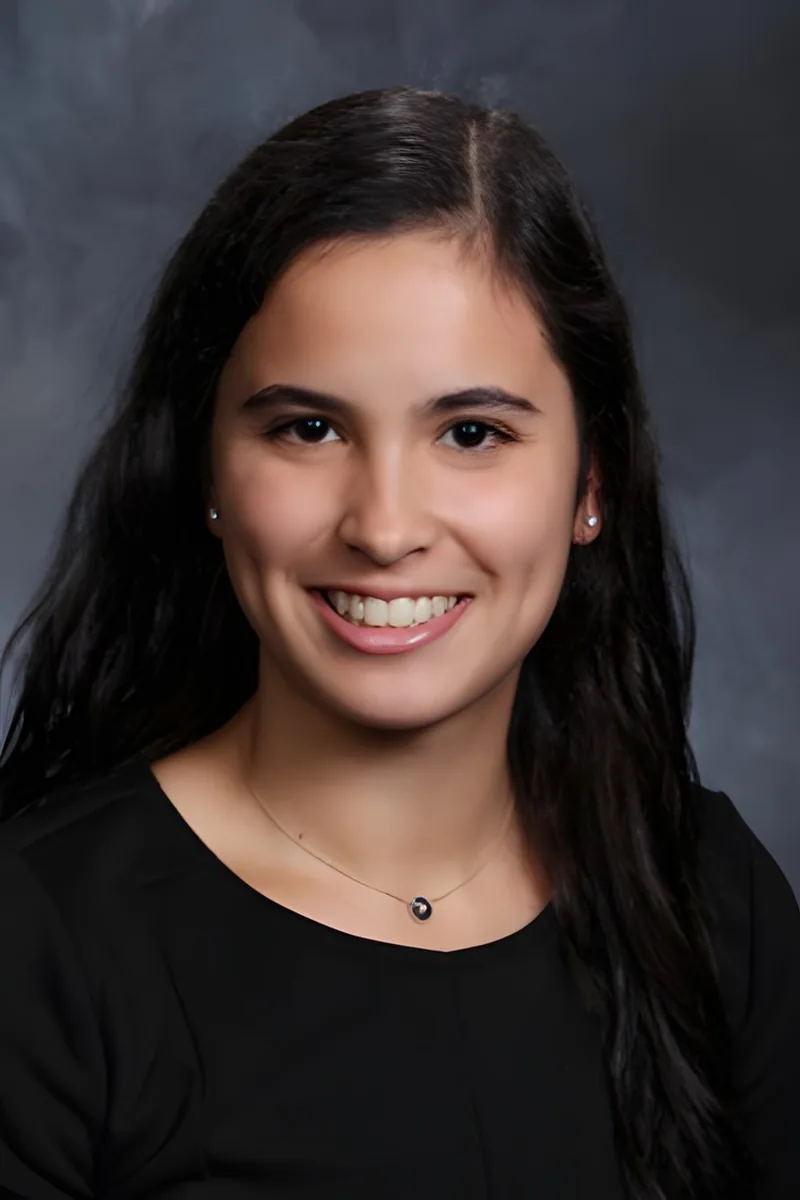
Operations Research PhD training at Georgia Tech is built on a simple premise: complex systems behave predictably when you understand their underlying logic — and that's exactly the mindset Isabella b...
Education & Certificates
Massachusetts Institute of Technology
Bachelor of Science in Mathematics (minors in Management Science and Ancient and Medieval Studies)
Georgia Institute of Technology-Main Campus
Current Grad Student, Operations Research
SAT Scores
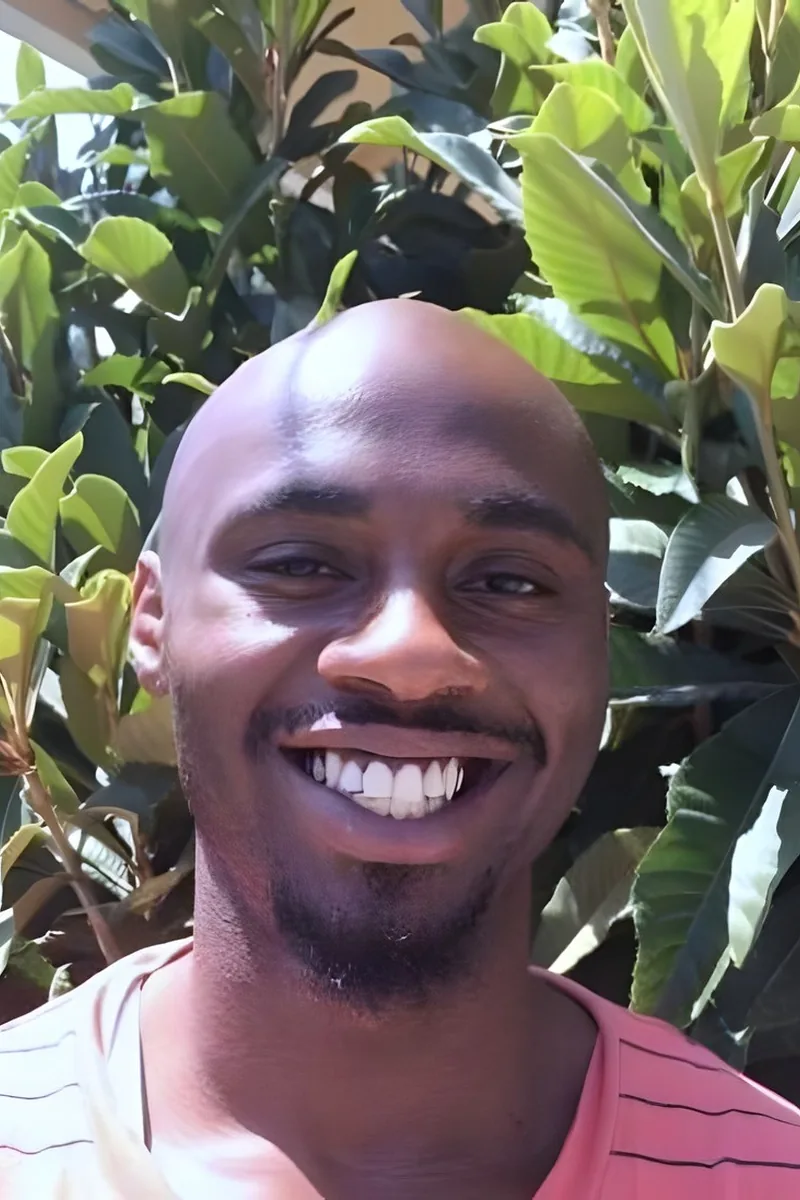
Brian's Caltech economics and computer science background gives him an unusual lens for AP CSP prep — he coaches students to approach algorithm and data abstraction questions as systems-design problem...
Education & Certificates
University of California-Santa Cruz
PHD, Technology & Information Mgmt (Indef. deferred)
California Institute of Technology
Bachelors in Economics and Computer Science
SAT Scores
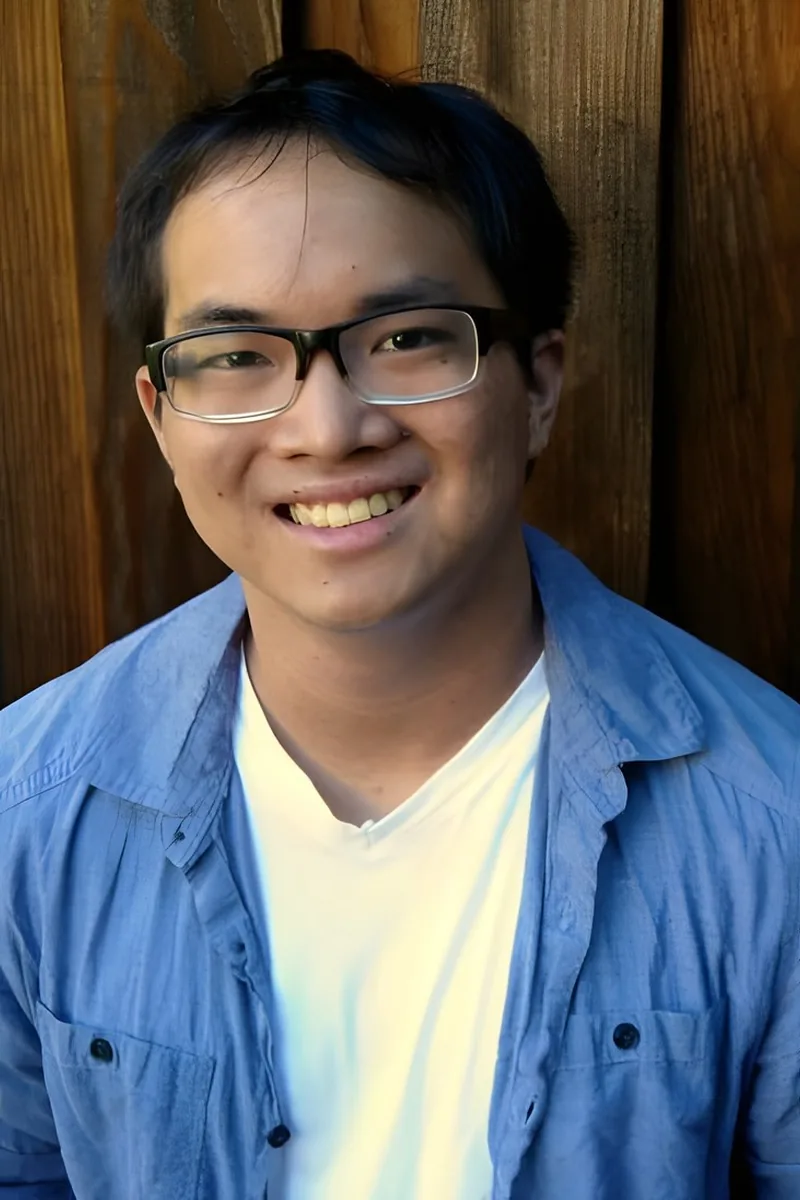
Cognitive science at Stanford trains a specific skill set — understanding how humans process information and make decisions — that maps directly onto the AP Computer Science Principles exam's emphasis...
Education & Certificates
Stanford University
Master of Science, Computer Science
Stanford University
Bachelor of Science, Cognitive Science
SAT Scores
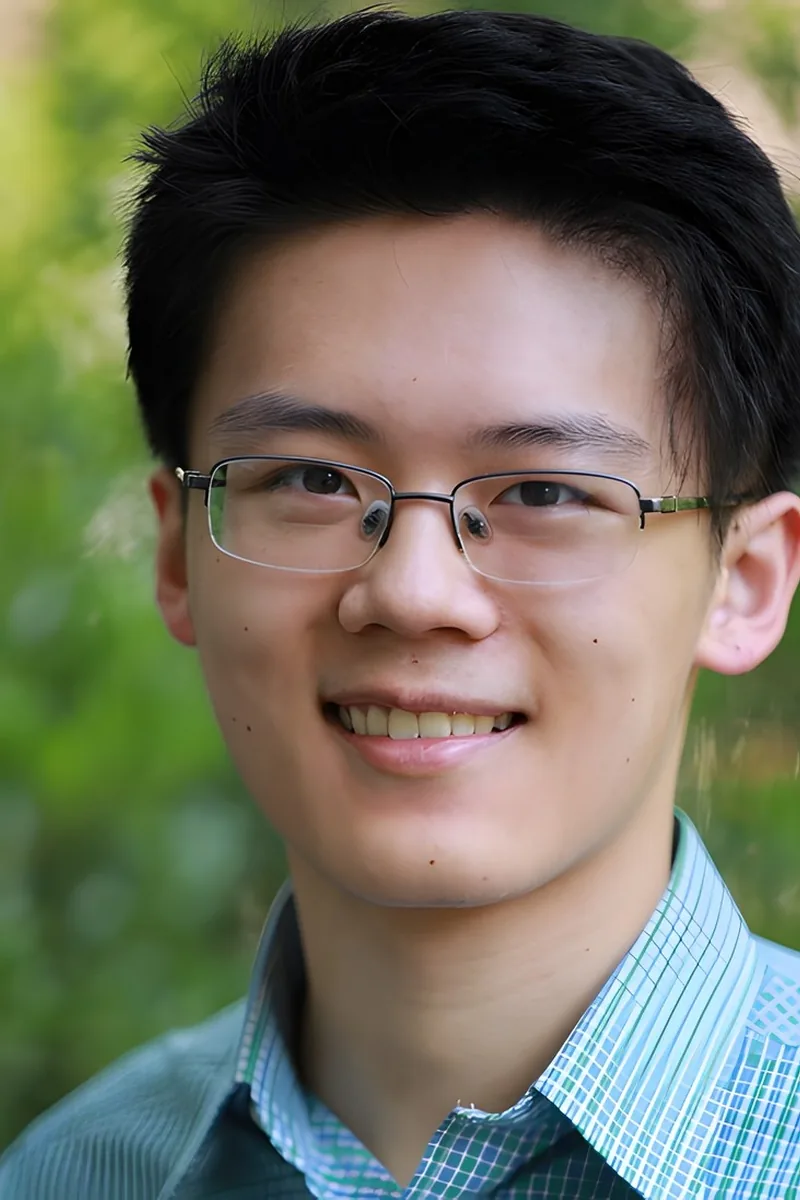
Most students entering AP CSP prep underestimate how much the exam rewards explaining *why* a program works — not just whether it runs — and that gap shows up directly in Create Performance Task score...
Education & Certificates
Stanford University
Bachelor of Science, Mathematics and Computer Science
SAT Scores

Running an SAT prep class in high school taught Samuel something that transfers directly to AP CSP coaching: students earn more points when they understand the scoring logic behind a test, not just th...
Education & Certificates
California Institute of Technology
Bachelor of Science, Applied Mathematics
SAT Scores
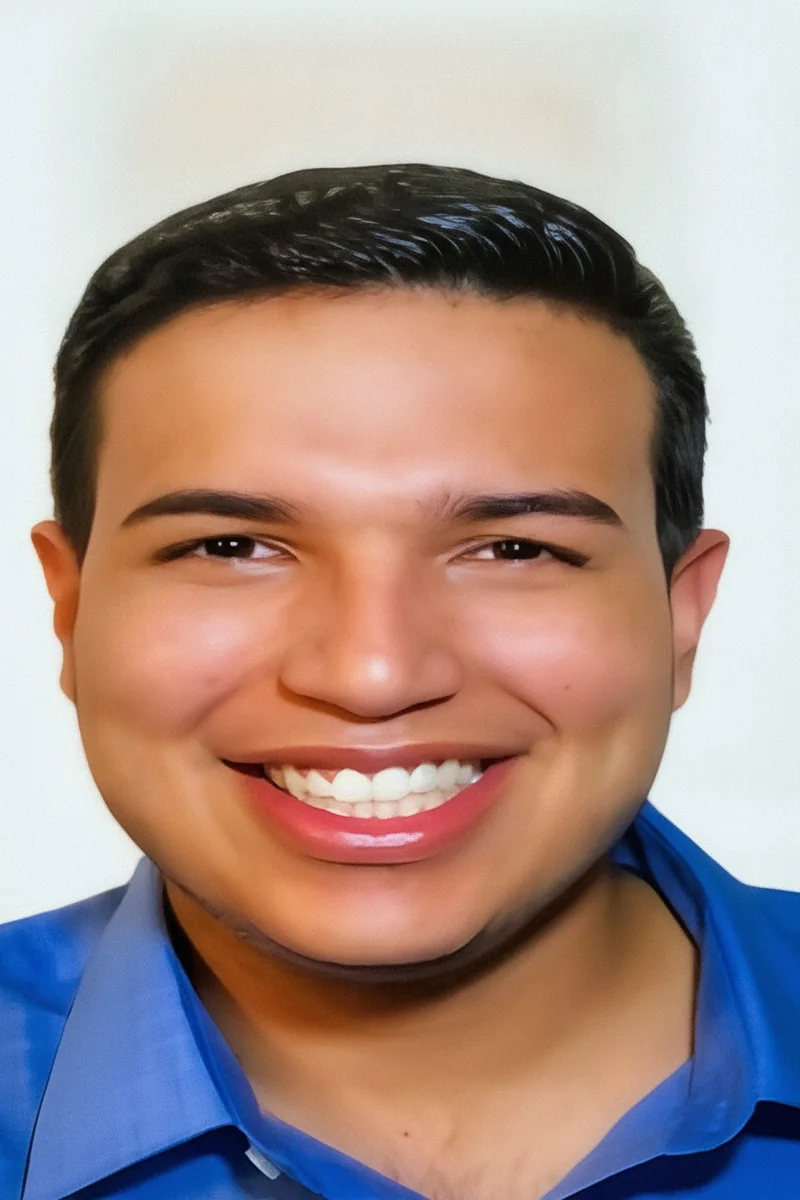
Derek's Harvard Computer Science curriculum — the same environment that produced his 800 on the SAT Math Level 2 Subject Test and a 5 on AP Computer Science A — gives him a precise read on the gap bet...
Education & Certificates
Harvard University
Bachelor in Arts, Computer Science
SAT Scores
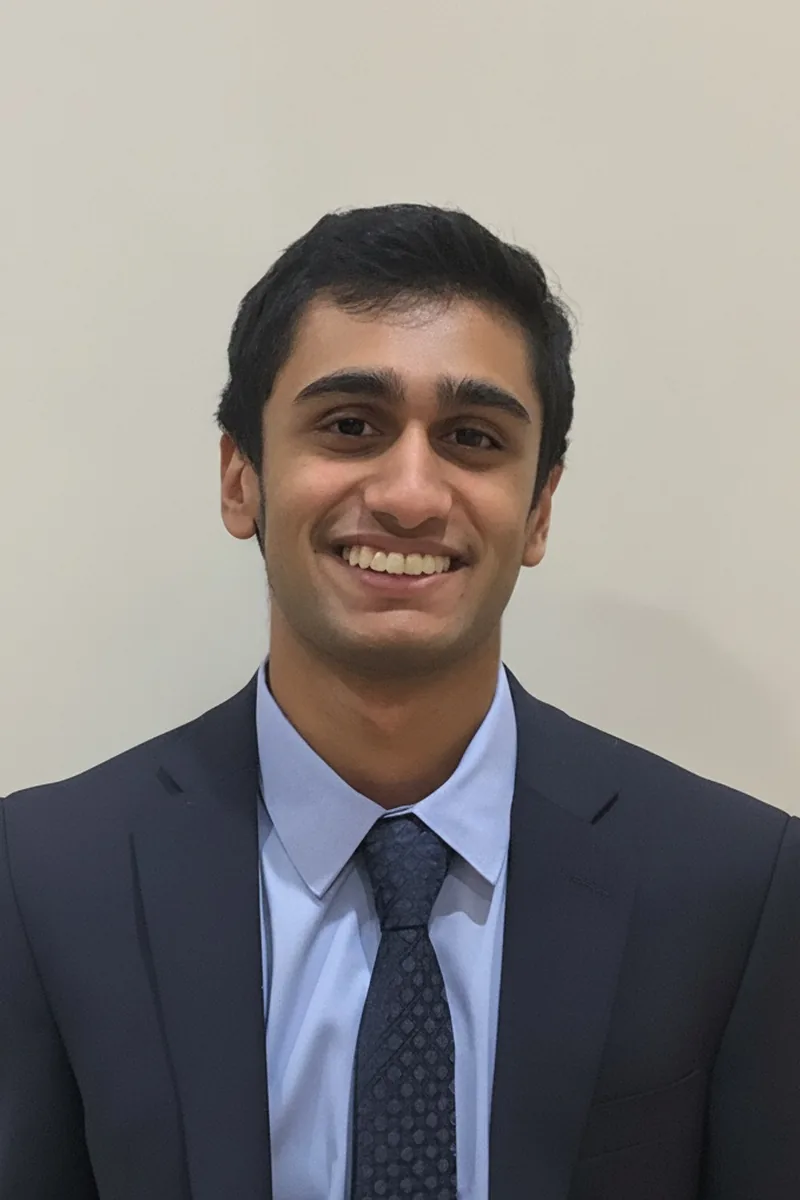
AP Computer Science Principles trips up students on the Create Performance Task more than any multiple-choice section — and knowing how to document code decisions for a non-technical reader is a skill...
Education & Certificates
Yale University
Bachelor of Science, Computer Science
SAT Scores

Biomedical engineering at Cornell demands the same computational thinking AP CSP tests — modeling systems, tracing logic through layered processes, and explaining how data transforms across inputs and...
Education & Certificates
Cornell University
Bachelor of Science, Biomedical Engineering
ACT Scores

Kevin's Stanford Computer Science master's work in Biocomputation — where algorithm design and data abstraction aren't academic concepts but daily engineering constraints — gives him a sharp read on e...
Education & Certificates
Stanford University
Master of Science, Computer Science
Stanford University
Bachelor of Science
ACT Scores
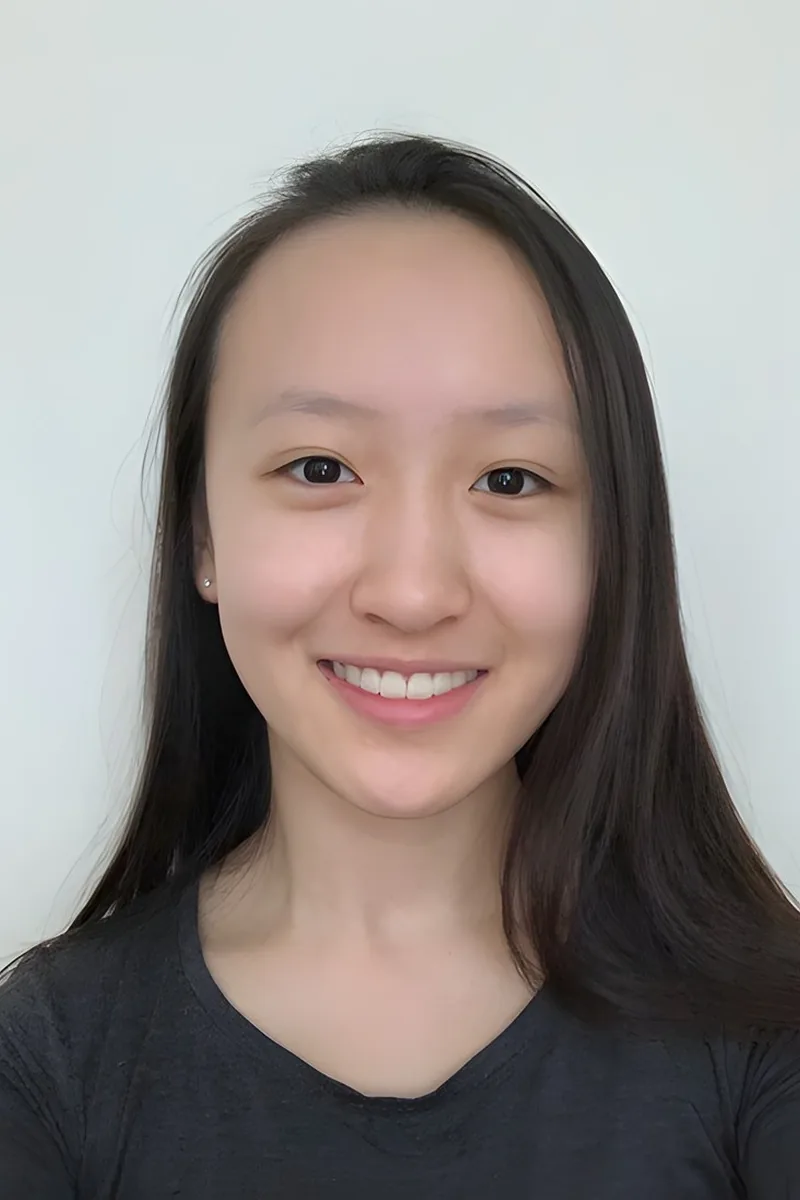
Julia's Stanford economics training sharpens exactly the analytical skill AP CSP's multiple-choice section rewards most: reasoning about how systems behave under different inputs, not just recognizing...
Education & Certificates
Stanford University
Bachelor of Science, Economics
SAT Scores
Frequently Asked Questions
Students typically struggle most with the Create Performance Task (CPT), which requires designing and implementing an original program while documenting the development process—many find the balance between coding complexity and clear documentation difficult. Algorithm design and abstraction also challenge students, particularly understanding how to break down problems into manageable pieces and recognize patterns across different coding contexts. Additionally, the Explore Performance Task's data analysis component requires students to interpret real-world datasets and draw meaningful conclusions, which demands both technical skills and critical thinking that don't always come naturally together.
A tutor can guide you through the entire performance task lifecycle—helping you select a meaningful project idea, plan your program's architecture, and implement it with clean, efficient code. They can also help you develop strong documentation practices by reviewing your written explanations of your code's purpose, design decisions, and how you tested it. For the Explore task, tutors can teach you how to formulate compelling research questions, select appropriate data analysis techniques, and communicate your findings clearly, which are often the weakest areas for students who focus only on the technical side.
AP Computer Science Principles is language-agnostic, so you can use Python, JavaScript, Java, C++, or any other language—the exam focuses on computational thinking and problem-solving, not syntax. That said, Python and JavaScript are popular choices because they have simpler syntax that lets you focus on algorithms and logic rather than wrestling with language details. A tutor can help you choose a language that matches your learning style and ensure you're using it effectively to demonstrate your understanding of core CSP concepts like loops, conditionals, functions, and data structures.
The multiple-choice section (2 hours) requires careful reading of code snippets and tracing through logic—practice identifying what variables store at each step and predicting output without running code. Time management is critical since you'll see 50-70 questions; flagging difficult ones and returning to them helps. For performance tasks, starting early in the school year and treating them like real projects (not last-minute submissions) makes a huge difference. A tutor can help you develop a practice testing schedule that simulates exam conditions and teaches you to recognize common question patterns, like identifying bugs in code or understanding how different algorithms compare in efficiency.
Abstraction—hiding complexity behind simpler interfaces—is easier to grasp when you build it yourself rather than just reading about it. A tutor can have you write functions that encapsulate specific tasks, then use those functions without worrying about their internal details, which builds intuition for why abstraction matters. For algorithms, working through trace-throughs on paper (following code line-by-line) and comparing different approaches to the same problem (like bubble sort vs. merge sort) helps you see why algorithm choice matters. Practice problems that ask you to predict what code does, modify it, or write similar code from scratch reinforce these concepts far better than passive reading.
You'll need to understand how to clean datasets, identify relevant variables, and use basic statistical measures (mean, median, standard deviation) or visualization techniques to uncover patterns and trends. The key is connecting your analysis back to a meaningful question—students often get caught up in the technical side and forget to explain *why* their findings matter. A tutor can teach you how to select appropriate analysis methods for different data types, interpret results correctly (avoiding common mistakes like confusing correlation with causation), and write clear explanations that show you understand what your data actually reveals about the real world.
Score improvement depends heavily on where you're starting and how much time you invest. Students who struggle with specific topics like algorithm design or performance task documentation often see significant gains (2-3 score points) within 4-6 weeks of focused tutoring, while students aiming for a 5 typically need to address subtle conceptual gaps that take longer to identify and fix. Consistent practice with performance tasks and timed practice exams, combined with targeted instruction on weak areas, tends to produce the most reliable improvements. A tutor can help you diagnose exactly where your understanding breaks down and create a realistic timeline based on your current level and target score.
Look for someone with strong programming experience across multiple languages and a clear understanding of computational thinking concepts—they should be able to explain *why* an algorithm works, not just show you the code. Experience with AP Computer Science Principles specifically (ideally having taught it or tutored it before) is valuable since they'll know which topics trip up students and how the exam actually tests your knowledge. They should also be comfortable with both the technical coding side and the communication skills needed for performance tasks, since many strong programmers struggle to document their thinking clearly—a good tutor bridges that gap.
Let's find your perfect prep plan
Answer a few quick questions. We'll recommend the right plan and match you with a top 5% instructor.