Achieve a top score with Award-Winning AP Calculus BC Prep
Achieve a top score with Award-Winning AP Calculus BC Prep
Everything you need to crush the AP Calculus BC. Live prep classes, practice tests, 1-on-1 expert tutoring, and AI-powered diagnostics to help you reach your target score.
Universities
Delivered
Proficiency
Who needs prep?
No obligation. Takes ~1 minute.
Instructors from
- YaleUniversity
- PrincetonUniversity
- StanfordUniversity
- CornellUniversity
Featured by


Award-Winning AP Calculus BC Prep Classes
 One-time classLive
AP Chemistry Monthly Review
Ace your AP Chemistry class _and_ the AP exam — without cramming or falling behind. Our AP Chemistry Monthly Review sessions are designed to help you stay one step ahead. Each month, an expert instructor will guide you through a focused review of the unit you’ve just covered in class, helping you reinforce key concepts, connect ideas across the curriculum, and build your personal study toolkit for May.
 Short-term classLive
Precalculus Fundamentals
Math is a building block subject. Just like you needed Algebra 1 to be ready for Algebra 2, so now you’re taking Precalculus because you will need these skills for Calculus. And within each subject the same is true, too: the skills you learn next month will require you to be comfortable with the skills you learned last month; for every lesson you encounter in school, you’ll need to bring some foundational knowledge to build on. That’s why Precalculus Fundamentals can play such a key role in your math performance. Each week an expert instructor will guide you through the key concepts that your current and upcoming lessons depend on, helping you solidify things that didn’t quite click, get practice and repetition with the most important skills for what’s next, and building your skill set for the rest of the school year and the math subjects that lie beyond it–like calculus!
 One-time classLive
AP Physics 1 Monthly Review
Ace your AP Physics 1 class _and_ the AP exam — without cramming or falling behind. Our AP Physics 1 Monthly Review sessions are designed to help you stay one step ahead. Each month, an expert instructor will guide you through a focused review of the unit you’ve just covered in class, helping you reinforce key concepts, connect ideas across the curriculum, and build your personal study toolkit for May.
 One-time classLive
AP Calculus AB Monthly Review
Ace your AP Calculus AB class _and_ the AP exam — without cramming or falling behind. Our AP Calculus AB Monthly Review sessions are designed to help you stay one step ahead. Each month, an expert instructor will guide you through a focused review of the unit you’ve just covered in class, helping you reinforce key concepts, connect ideas across the curriculum, and build your personal study toolkit for May.
 One-time classLive
AP Biology Monthly Review
Ace your AP Biology class _and_ the AP exam — without cramming or falling behind. Our AP Biology Monthly Review sessions are designed to help you stay one step ahead. Each month, an expert instructor will guide you through a focused review of the unit you’ve just covered in class, helping you reinforce key concepts, connect ideas across the curriculum, and build your personal study toolkit for May. These sessions are ideal for students who want to maintain top grades, reduce stress, and walk into the AP exam with total confidence.
 Short-term classLive
AP English Language & Composition Monthly Review
Ace your AP Lang essays _and_ the AP exam — without cramming or falling behind. Our AP English & Composition Language Monthly Review sessions are designed to help you stay one step ahead. Each month, an expert instructor will guide you through a focused review of the skills and texts you’ve been developing in class, helping you sharpen your rhetorical analysis, build a personal study toolkit, and feel confident in timed writing and multiple-choice questions alike.
 One-time classLive
AP Psychology Monthly Review
AP Psychology Monthly Review is the high-impact prep course for students who want to walk into the AP exam with real confidence. Each month, students review and sharpen the skills that matter most for building on the rest of the school year and executing expertly on the AP exam in May. You'll dissect real texts, practice both multiple-choice and free-response question types, and shore up the fundamentals that can be so fleeting when your class moves on to new units quickly.
 One-time classLive
AP Computer Science A Monthly Review
Ace your AP Computer Science A class _and_ the AP exam — without cramming or falling behind. Our AP Computer Science A Monthly Review sessions are designed to help you stay one step ahead. Each month, an expert instructor will guide you through a focused review of the unit you’ve just covered in class, helping you reinforce key programming skills, strengthen your problem-solving strategies, and build your personal study toolkit for May.
Short-term classLiveCalculus 1 Fundamentals
A semester of college-level Calculus moves quickly: each new concept builds upon the skills before it, making it essential that you catch up quickly–or that you don’t fall behind in the first place. That’s why students love Fundamentals of Calculus 1, a six-week course designed to review and reinforce the most important building block concepts of calculus so that you’re ready to conquer every new concept that comes up in class, and that your skills stay sharp for cumulative midterm and final exams. Join an expert instructor for weekly, in-depth reviews of critical calculus concepts and watch your confidence and your grade soar.
 Short-term classLive
Calculus 2 Fundamentals
A semester of college-level Calculus moves quickly: each new concept builds upon the skills before it, making it essential that you catch up quickly–or that you don’t fall behind in the first place. That’s why students love Fundamentals of Calculus 2, a six-week course designed to review and reinforce the most important building block concepts of Calc 2 so that you’re ready to conquer every new concept that comes up in class, and that your skills stay sharp for cumulative midterm and final exams. Join an expert instructor for weekly, in-depth reviews of critical calculus concepts and watch your confidence and your grade soar.
 One-time classLive
AP Precalculus Monthly Review
AP Precalculus Monthly Review is the high-impact prep course for students who want to walk into the AP exam with real confidence. Each month, students review and sharpen the skills that matter most for building on the rest of the school year and executing expertly on the AP exam in May. You'll dissect real texts, practice both multiple-choice and free-response question types, and shore up the fundamentals that can be so fleeting when your class moves on to new units quickly.
 One-time classLive
AP Statistics Monthly Review
Ace your AP Statistics class and the AP exam — without cramming or falling behind. Our AP Statistics Monthly Review sessions are designed to help you stay one step ahead. Each month, an expert instructor will guide you through a focused review of the unit you’ve just covered in class, helping you reinforce key concepts, connect ideas across the curriculum, and build your personal study toolkit for May.
Top-Rated AP Calculus BC Prep Instructors

A PhD in Computational Mathematics from the University of Chicago means Justin doesn't just know AP Calculus BC content — he knows exactly how the exam's harder problems are constructed, and he coache...
Education & Certificates
Washington University in St. Louis
Bachelor's in Physics and Mathematics
University of Chicago
Doctor of Philosophy, Computational Mathematics
ACT Scores

Ben's Mathematics degree from Penn gives him an unusually precise read on where calculus knowledge breaks down under exam pressure — specifically, the gap between knowing a technique and deploying it ...
Education & Certificates
University of Pennsylvania
Bachelors, Mathematics
SAT Scores
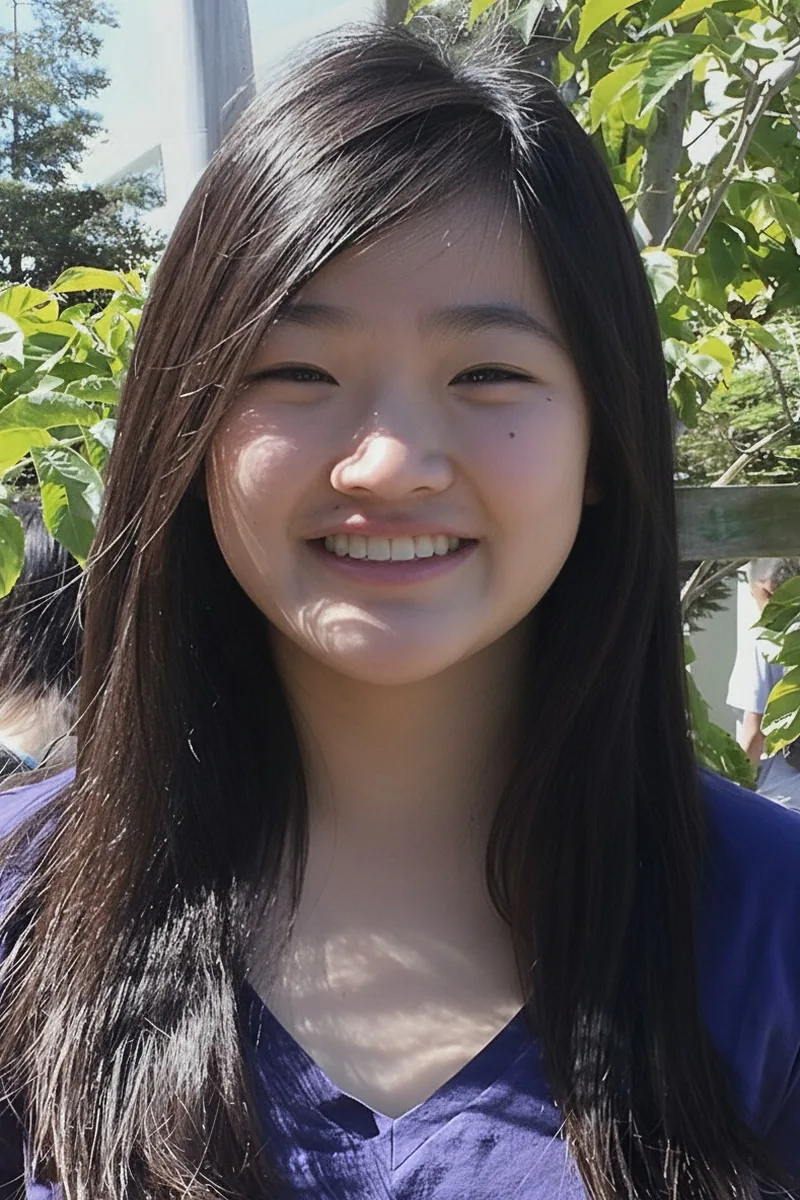
Julie's Philosophy degree from Princeton trained her to construct arguments precisely and identify exactly where reasoning breaks down — a skill that transfers directly to the AP Calculus BC free-resp...
Education & Certificates
Princeton University
Bachelor in Arts, Philosophy
SAT Scores
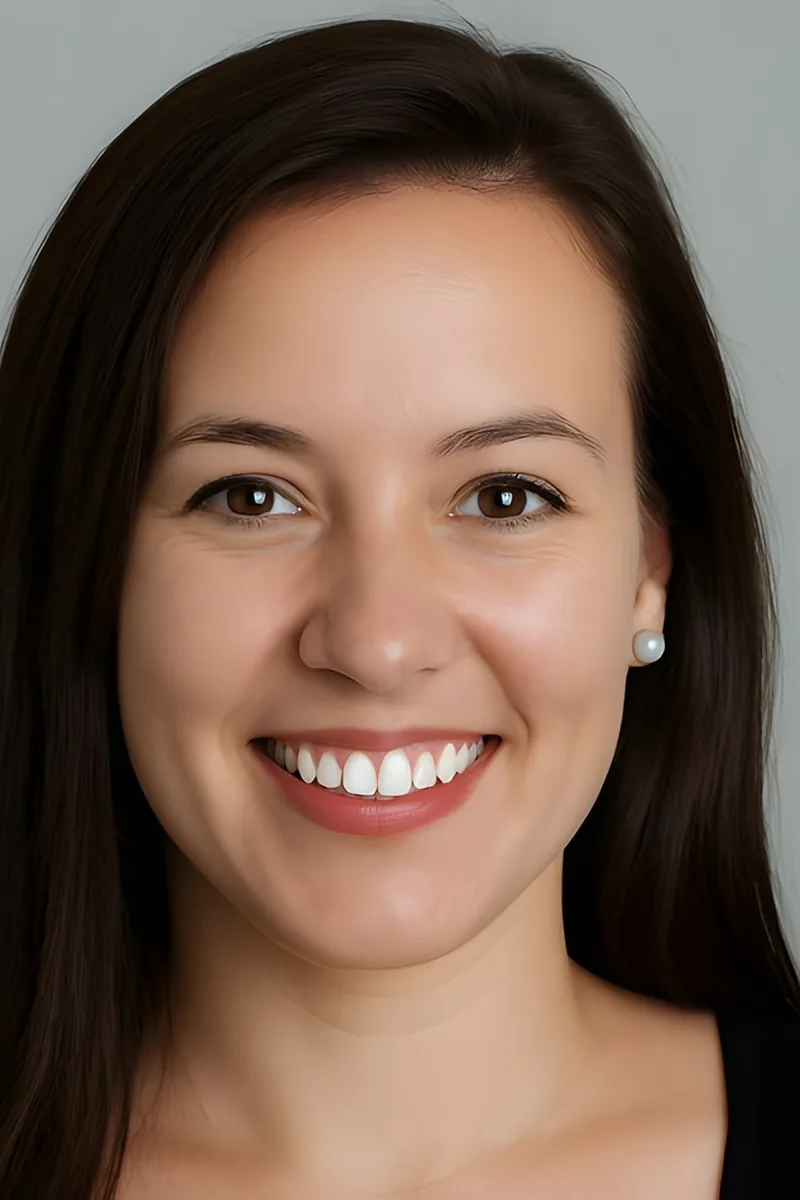
Kate's Masters in Environmental Engineering from MIT means she spent years applying calculus to real systems — fluid dynamics, contaminant transport, rate modeling — and that applied fluency is what s...
Education & Certificates
Massachusetts Institute of Technology
Masters, Environmental Engineering
Massachusetts Institute of Technology
Bachelors
SAT Scores

Viktor's path from formula-memorizer to mathematics major at the University of Chicago — where he earned a 35 on the ACT along the way — gives him an unusually clear read on why students stall on the ...
Education & Certificates
University of Chicago
Bachelor of Science
ACT Scores
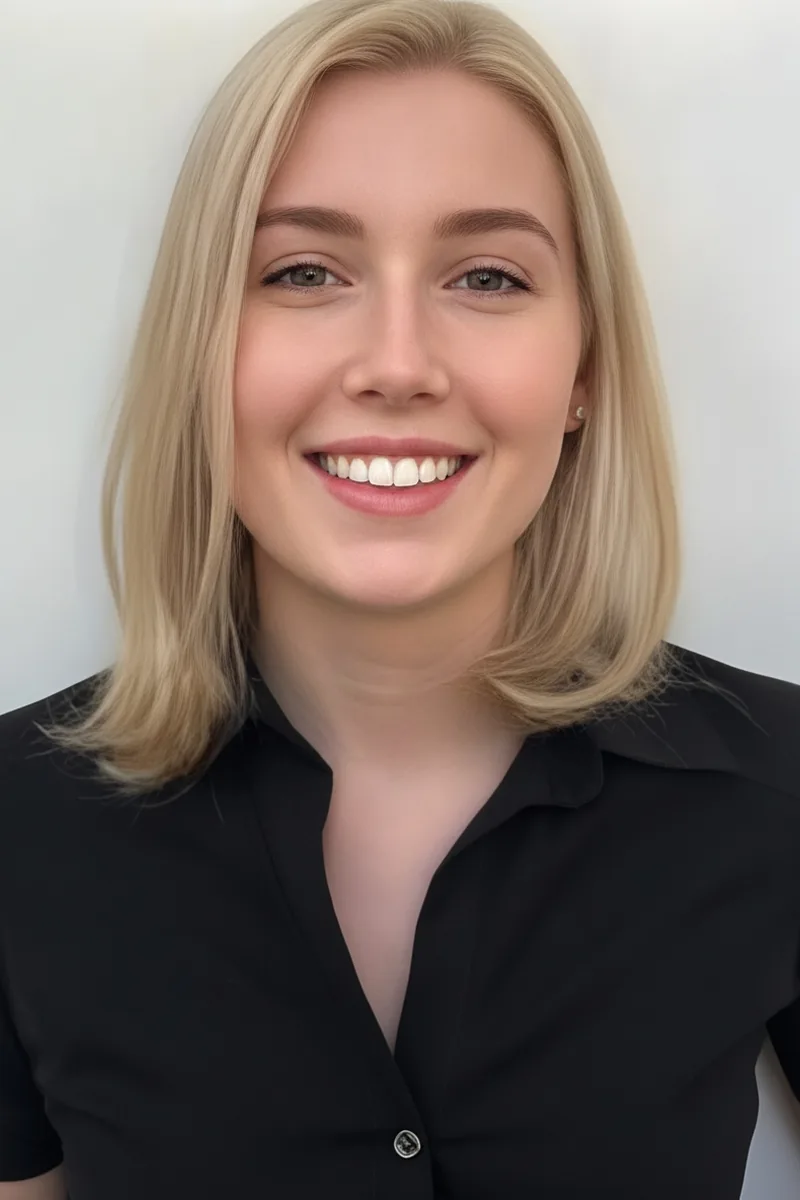
Ava's dual degree in Mechanical and Energy Engineering from Washington University in St. Louis means she spent years applying calculus to real physical systems — heat transfer, fluid mechanics, energy...
Education & Certificates
Washington University in St. Louis
Bachelor of Science in Mechanical Engineering and Energy Engineering (2020)
ACT Scores
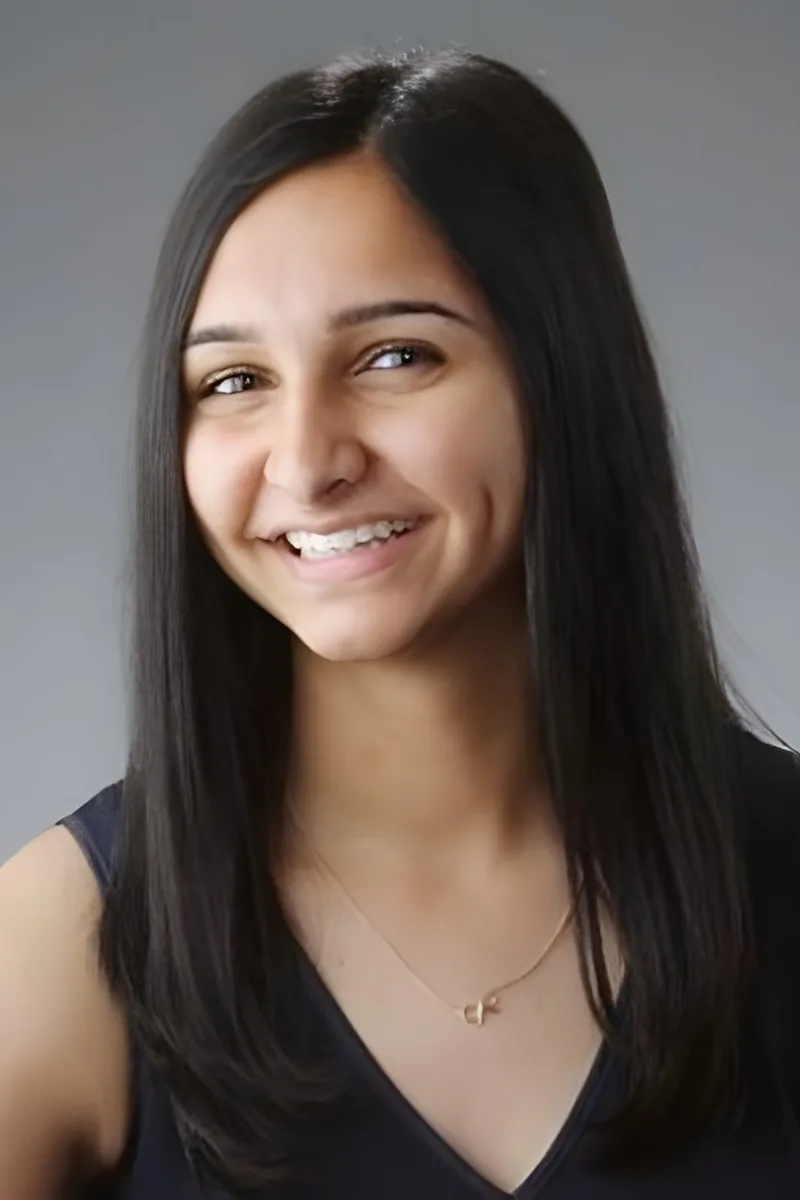
The BC-only topics — parametric equations, polar curves, and series convergence tests — trip up students who prepped primarily for AB and assume the extra material is just more of the same. Rhea diagn...
Education & Certificates
University of Chicago
Bachelor of Science, Biology, General
ACT Scores

The BC exam's second semester content — series convergence, parametric equations, and polar integrals — is where most self-studying students lose points they didn't expect to lose. Dennis drills the c...
Education & Certificates
Princeton University
Bachelor of Science
ACT Scores

Stanford's Mathematics and Computer Science program demands the kind of algorithmic precision that transfers directly to AP Calculus BC — and JF, who earned a perfect 1600 on the SAT, coaches students...
Education & Certificates
Stanford University
Bachelor of Science, Mathematics and Computer Science
SAT Scores

Most students lose points on the AP Calculus BC free-response section not because they can't do the math, but because they misread what the question is actually testing — whether that's a related rate...
Education & Certificates
Johns Hopkins University
Bachelor of Science, Biomedical Engineering
ACT Scores
Frequently Asked Questions
AP Calculus BC covers everything in AB plus additional topics: parametric equations, polar coordinates, vector-valued functions, and series (including Taylor and Maclaurin series). BC also moves faster through AB content. A tutor experienced with BC understands how to build connections between these advanced topics and the foundational calculus concepts, and can help you see why series matter for understanding function behavior—not just memorize formulas.
Students typically struggle most with series convergence tests (knowing when to use ratio test vs. comparison test), understanding parametric and polar derivatives, and connecting L'Hôpital's Rule to limit problems. Many also find the conceptual leap to Taylor series difficult—it's easy to plug into a formula but harder to understand why the approximation works. A tutor can break these topics into smaller pieces and use visual explanations (graphing parametric curves, animating series convergence) to build genuine understanding rather than just procedure.
The exam is 3 hours 15 minutes for 45 questions, split between multiple-choice (no calculator, then calculator-allowed) and free response. A strong strategy is to spend roughly 1.5 minutes per multiple-choice question and save harder ones for later, then allocate 10-15 minutes per free-response question. A tutor can help you practice this pacing with full-length practice tests, identify which question types slow you down (series problems often take longer), and develop shortcuts for calculations so you're not racing the clock on computational steps.
Common errors include: forgetting to check endpoints when finding absolute extrema, misidentifying which convergence test applies to a series, making sign errors with polar derivatives (the formula is r²dθ/dr, not r dθ/dr), and losing points on free response by not showing sufficient work or justifying answers. Many students also second-guess correct answers on the no-calculator section when they should trust their algebra. Tutoring helps you recognize and avoid these patterns through targeted practice on past exams and error analysis.
Yes—a tutor can identify exactly which AB concepts are holding you back (often implicit differentiation, related rates, or integration by parts) and rebuild those foundations while keeping you moving forward in BC content. This is more efficient than starting over; a skilled tutor will show you how AB gaps directly impact BC topics like parametric derivatives or improper integrals, so you see why filling the gap matters right now.
Series convergence is conceptual: the ratio test works because it compares growth rates of consecutive terms, the integral test works because it connects series to areas under curves, and alternating series converge when terms shrink to zero. A tutor can help you visualize these ideas (drawing the integral test, animating how ratios behave), work through why each test answers a specific question about the series, and practice choosing tests by recognizing patterns in the series structure—not by flowchart. This approach makes the tests stick and helps you apply them to unfamiliar series on the exam.
Free response requires clear justification and communication—you can't just write an answer. A tutor helps you practice writing explanations for each step (e.g., 'By the Intermediate Value Theorem, since f is continuous and changes sign, a zero exists'), showing all work even when you use a calculator, and correctly interpreting what the question is asking (does it want a derivative or an antiderivative?). Working through released exam free responses with feedback is the best preparation; a tutor can grade your work like the AP graders do and show you exactly where you're losing points.
You'll need to find zeros, compute definite integrals, and solve equations numerically on the calculator section. But many students waste time fumbling with calculator syntax or don't know their calculator can compute derivatives numerically. A tutor familiar with BC exams knows which calculator skills actually save time (and which are traps) and can show you efficient techniques—like using your calculator's solver feature for related rates problems or computing Taylor polynomial remainders quickly. The goal is using your calculator as a tool, not a crutch.
Let's find your perfect prep plan
Answer a few quick questions. We'll recommend the right plan and match you with a top 5% instructor.