Award-Winning History Tutors
serving Los Angeles, CA
Award-Winning
History
Tutors in Los Angeles
Private 1-on-1 tutoring, weekly live classes for academic support, test prep & enrichment, practice tests and diagnostics, and more to elevate grades and test scores.
Based on 3.4M Learner Ratings
UniversitiesSchools & Universities
DeliveredHours Delivered
ProficiencyGrowth in Proficiency
Who needs tutoring?
No obligation. Takes ~1 minute.
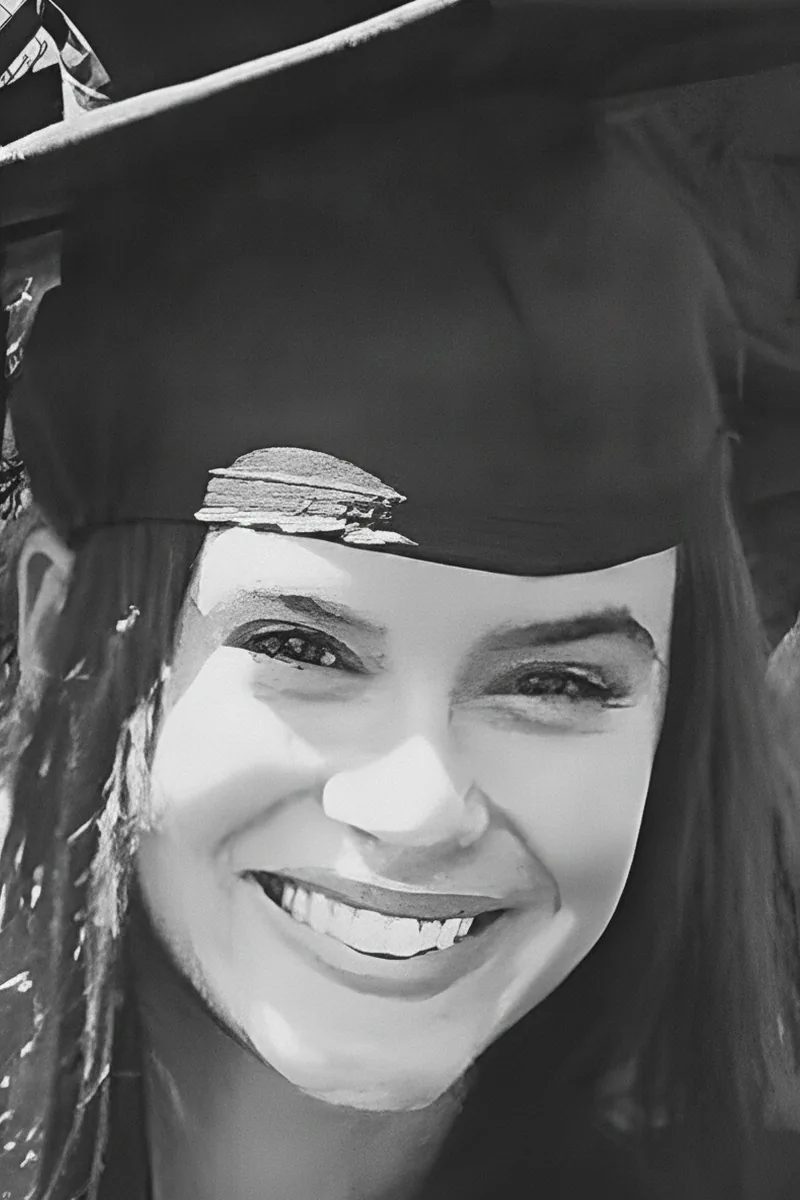
Ema approaches history the way she approaches literature: by teaching students to read sources critically, identify an author's perspective, and build arguments grounded in evidence rather than summary. Her Harvard training in textual analysis transfers naturally to evaluating primary documents and constructing the kind of thesis-driven essays that history courses require.
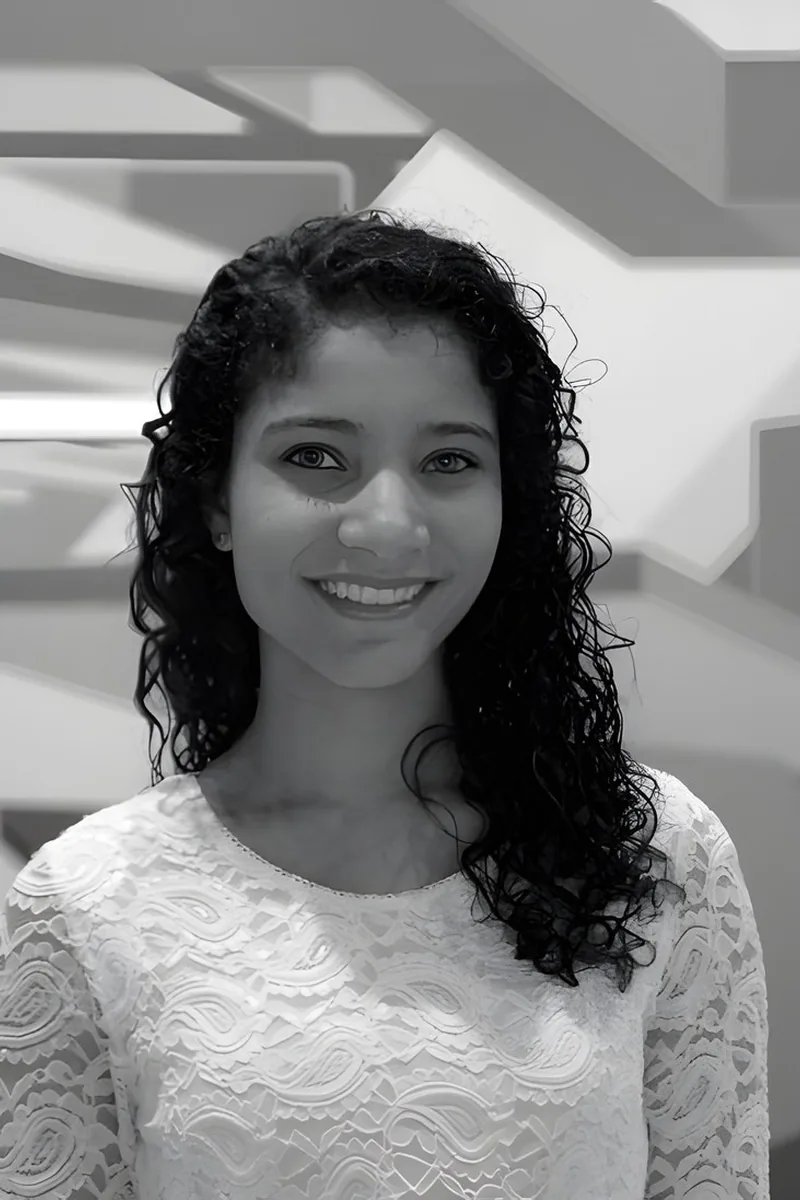
Sociology at Yale is essentially applied history — Katrina spent semesters tracing how institutions, social movements, and cultural shifts shaped the present. That training makes her especially effective at teaching students to build evidence-based historical arguments rather than just recounting events. She's particularly sharp on connecting primary source analysis to the broader themes that show up in AP and survey-level history courses.
Screenwriting at USC trains Kiersten to research historical periods deeply — understanding the social dynamics, political tensions, and cultural norms that make a story's setting feel authentic. She applies that same research instinct to history tutoring, teaching students to dig into the motivations and circumstances behind events rather than skimming the surface. Her interest in global affairs keeps her sharp on connections between regions and eras that textbooks often treat in isolation.
Close reading is close reading — whether it's a Keats ode or a Civil War-era newspaper editorial, Carla's English literature training means she instinctively dissects tone, audience, and argument in any text she picks up. That skill translates directly to document-based questions and primary source analysis, where students need to explain what a source reveals about its historical moment rather than just summarizing it. Rated 5.0 by students.
Reading a historical document is a lot like reading a play — you have to figure out who's speaking, what they want, and what they're not saying. John approaches history through that interpretive lens, teaching students to analyze primary sources, identify bias, and build evidence-driven arguments for essays and DBQs rather than treating the subject as a list of dates to memorize.
Two years of tutoring adults through GED prep — including the social studies section — taught Raquel how to make historical cause-and-effect click for people encountering it for the first time, a skill that scales up to any level. Her science-heavy background in nutrition and predentistry means she naturally connects historical events to their material conditions: food systems, public health crises, and the biological realities that drove migration and conflict. That cross-disciplinary instinct gives students concrete hooks for remembering and explaining why things happened.
Studying international development at UCLA with a focus on the Middle East and North Africa gave Nicole a framework for understanding history as interconnected systems — economics, colonialism, public health, and political movements all shaping each other. She teaches students to analyze primary sources and construct arguments rather than just memorize dates and names.
Krista's earth sciences background gives her an unusual angle on history: she understands how geography, climate, and natural resources shaped civilizations and conflicts. She teaches students to build cause-and-effect chains and support claims with primary source evidence, turning history from a list of dates into a series of connected arguments.
Reading history well means reading critically — evaluating who wrote a source, why, and what they left out. Naama approaches historical texts the way her linguistics training taught her to approach any document: by unpacking the language, context, and structure of the argument itself. That analytical lens turns history from a memorization exercise into something students can genuinely reason through.
Too many students approach history as a memorization exercise and wonder why they can't answer analytical questions on exams. Tom treats historical events as arguments to be understood — asking why the French Revolution unfolded differently than the American one, or what economic pressures drove specific policy decisions. That cause-and-effect framing makes the material stick and translates directly into stronger essay writing.
Treating history as an exercise in argument-building rather than memorization, Whitney teaches students to evaluate sources, identify bias, and connect events across time periods. Her liberal arts background at Pomona College emphasized interdisciplinary thinking — linking social movements, scientific developments, and political structures into coherent historical narratives.
Journalism training — the kind Zoe got before shifting to her English major at UCLA — is essentially applied history: interviewing sources, cross-referencing accounts, and figuring out which details actually matter to the story. She brings that same editorial instinct to history coursework, teaching students to read primary documents critically and build arguments that do more than summarize a textbook chapter. Her pre-law trajectory also means she's comfortable with the kind of evidence-based reasoning that document-based questions and analytical essays reward.
Treating history as an argument rather than a list of dates changes everything about how students engage with the material. Helen teaches students to evaluate primary sources, identify bias, and connect causes to consequences — the same analytical skills her journalism training at USC demanded. She's especially effective at coaching students through document-based questions and research papers that require evidence-driven claims.
As a state-certified teacher with a physics background, Gerardo brings a cause-and-effect mindset to history — he teaches students to trace how technological changes, resource pressures, and scientific developments drove the political and social shifts they're reading about. That analytical habit, built through years of studying how systems interact, turns vague essay responses into concrete, well-supported arguments. His energy in sessions tends to flip students' attitudes toward a subject they assumed would be dry.
Nina approaches history the way she was trained to approach a play — by asking what people wanted, what stood in their way, and what choices they made under pressure. That lens turns dry textbook timelines into cause-and-effect narratives students can actually follow and argue about. She's especially useful for students who need to write document-based essays or connect historical events to broader social and cultural patterns.
Theatre training at Northwestern taught Zach something most history students never get explicitly: how to read a text for subtext — what a speaker is really arguing, who they're trying to persuade, and what they're leaving out. That skill translates directly to document-based questions and primary source analysis, where understanding rhetoric and audience matters as much as knowing the facts. His English degree adds the essay-writing chops to turn that analysis into a tight, thesis-driven argument.
Environmental Studies at Wesleyan meant engaging deeply with political, economic, and ecological history — tracing how land use policies, colonial expansion, and industrial revolutions shaped the modern world. Ari brings that interdisciplinary lens to history tutoring, teaching students to build arguments from primary sources and connect events across time periods rather than treating each chapter as isolated facts.
Theatre training at NYU's Tisch School — especially improv and experimental performance — taught Michael to inhabit other people's perspectives on demand, a skill that translates directly to analyzing why historical actors made the choices they did under pressure. He brings a performer's instinct for subtext to primary source analysis, coaching students to read between the lines of speeches, letters, and political documents the way an actor breaks down a script for motivation and intent.
Most history struggles aren't really about dates — they're about constructing cause-and-effect arguments and using primary sources as evidence. Chandler approaches history the way he approaches science: by teaching students to evaluate claims, weigh competing interpretations, and write clearly about complex events. That analytical framework makes both essays and document-based questions more manageable.
Too many students approach history as a list of dates and names to memorize, then struggle when an exam asks them to explain causation or evaluate competing perspectives. Claire teaches students to read historical sources the way a detective reads evidence — looking for bias, context, and connections between events. Her liberal arts background means she treats history as an argument to be constructed, not a story to be memorized.
Three years of tutoring high school students gave Drew a clear read on where history assignments actually trip people up — not the facts themselves, but building an argument that connects causes to consequences in a way that answers the prompt. His physics and math training at Occidental means he instinctively looks for underlying mechanisms, which translates well to explaining why events unfolded rather than just recounting what happened. It's not his primary discipline, but that analytical habit gives his history tutoring a useful edge.
Jacob approaches history as a discipline built on interpreting sources and constructing arguments, not memorizing dates. His background in economics and accounting gives him an unusual lens for topics like industrialization, trade policy, and the material forces that shaped major turning points in world history.
Emily's comparative literature training at UC Santa Barbara — including a semester at the Sorbonne — taught her to read historical periods through their cultural production, connecting political events to the texts, art, and ideologies they generated. She teaches students to build evidence-based historical arguments rather than recite dates, an approach rooted in analyzing primary sources the way a literary scholar would.
Travis treats history as an argument to be built, not a list of dates to memorize — whether students are analyzing the causes of the Civil War or tracing the evolution of constitutional powers. His background in AP U.S. Government and comparative politics gives him a lens for connecting political structures to the historical events that shaped them.
Television writing demands the same skill that history essays reward: taking a sprawling mess of characters, motivations, and events and shaping them into a coherent narrative with a clear through-line. Gregory's Radio and Television training at the college level built that storytelling instinct, which he now brings to teaching students how to craft thesis-driven arguments about historical causes and consequences. He's especially effective at showing how to read political rhetoric and propaganda — material where understanding the audience matters as much as understanding the facts.
An English degree trains you to do exactly what history assignments ask for — close-read a text, identify what the author is really arguing, and build your own interpretation from the evidence. Sarah brings that literary analysis instinct to primary source work and document-based questions, where students often struggle to move from summarizing what a source says to explaining what it reveals about its moment in time. Rated 4.8 by students.
Studying foreign languages and literature at the University of Verona gave Enrico a deep grounding in European history — the political upheavals, cultural movements, and intellectual revolutions that shaped the modern world. He teaches students to read historical events through primary sources and competing narratives, building the kind of analytical thinking that turns memorization into real understanding.
Improv training at Second City taught Sean to think on his feet and read an audience — skills that translate surprisingly well to analyzing how historical figures navigated high-stakes moments with incomplete information. He brings that same improvisational mindset to teaching students how to tackle document-based questions, where you have to size up unfamiliar sources quickly and build a persuasive argument on the spot.
Growing up between Los Angeles and Paris gave Sarah a lived sense of how the same historical moment — decolonization, the World Wars, the Cold War — looks completely different depending on which country's classroom you're sitting in. That bicultural perspective sharpens her teaching of European history especially, where she pushes students to examine competing national narratives rather than accepting a single textbook account. Her physics and math background at Clark also trained her to think in terms of systems and causation, which she brings to essay structure and source analysis.
American Studies at Occidental College is essentially history through a wide-angle lens — examining how politics, culture, race, and economics intersect across time periods. That training makes Alanna especially sharp at teaching students to write document-based essays and analyze primary sources in context. She treats history as an argument to be constructed, not a list of dates to memorize.
Testimonials
Because the right History tutor makes all the difference.
Average Session Rating – Based on 3.4M Learner Ratings
Nearby History Tutors
Other Los Angeles Tutors
Related Social Studies Tutors in Los Angeles
Frequently Asked Questions
Many students struggle with memorizing dates and facts without understanding the larger narrative connecting them. Others find it difficult to analyze primary sources, construct arguments based on evidence, or see how historical events relate to one another. Personalized tutoring helps students build these analytical skills by focusing on their specific gaps rather than moving at a classroom pace that may leave some students behind.
In a classroom with a 19:1 student-teacher ratio like many Los Angeles schools, teachers must pace instruction for the average student, leaving little time for individualized feedback on essays or deeper exploration of topics. Personalized 1-on-1 instruction allows tutors to focus entirely on your learning style, address misconceptions immediately, and spend extra time on concepts you find challenging—whether that's analyzing primary sources, understanding causation, or developing thesis statements.
Tutors work with students across Los Angeles's 169 school districts, which follow California state standards for History-Social Science. Whether you're studying ancient civilizations, U.S. History, world history, or AP/IB courses, tutors adapt their instruction to match your specific curriculum and upcoming assessments. They can also help you prepare for standardized tests and college entrance exams that include history components.
During an initial session, a tutor will assess your current understanding of History content, identify specific challenges (like essay writing, source analysis, or chronological reasoning), and learn about your learning style and goals. This foundation allows the tutor to create a personalized plan that targets your needs, whether that's improving grades, building confidence, or preparing for an exam.
Yes—essay writing and primary source analysis are core components of History instruction at all levels. Tutors help students develop strong thesis statements, organize arguments with historical evidence, analyze perspectives in primary documents, and revise their work for clarity and impact. This targeted support often leads to significant improvements in essay grades and critical thinking skills.
Tutors work with students across all grade levels, from middle school world history and U.S. History foundations through high school AP U.S. History, AP European History, AP World History, and IB History courses. They also support college-level History courses and help students prepare for history components of standardized tests like the SAT and ACT.
Many students see noticeable improvements in understanding and grades within 3-4 weeks of consistent tutoring, especially when working on specific skills like essay writing or source analysis. Larger improvements in overall historical thinking and test performance typically emerge over 2-3 months of regular sessions. The timeline depends on your starting point, frequency of sessions, and how actively you engage with the material between sessions.
Varsity Tutors connects you with expert tutors who have deep knowledge of History content and proven teaching experience. You can share your specific needs—whether it's help with a particular era, essay skills, or exam preparation—and we'll match you with a tutor whose expertise aligns with your goals. The process is straightforward, and you can start personalized instruction quickly.
Let’s find your perfect tutor
Answer a few quick questions. We’ll recommend the right plan and match you with a top 5% tutor.